European nations are rapidly advancing plans for “strategic autonomy,” seeking to build independent military capabilities to reduce reliance on the United States. This shift follows growing concerns over US foreign policy volatility and the potential for Middle East conflicts to destabilize European security interests.
The movement toward a self-reliant European defense architecture is gaining momentum as political leaders in Brussels and major European capitals weigh the risks of a potentially more isolationist United States. For decades, the North Atlantic Treaty Organization (NATO) has functioned with the United States providing the primary security umbrella for the continent. However, recent geopolitical shifts suggest that European leaders are preparing for a future where American military commitment may no longer be a guaranteed constant.
This transition involves not only increased domestic defense spending but also a push for deeper integration of European military assets. Analysts suggest that the perceived “cracks” in the Atlantic alliance are less about a desire to leave NATO and more about a pragmatic need to ensure regional stability if Washington shifts its focus toward the Indo-Pacific or retreats from Middle Eastern maritime security.
Why is Europe shifting toward independent defense?
The drive for “strategic autonomy” is rooted in the desire to protect European interests without waiting for US congressional approval or executive direction. European officials have expressed concern that US domestic politics could lead to sudden changes in how the United States engages with international security obligations.

A primary driver is the debate over burden-sharing within NATO. For years, the United States has pressured European allies to meet the 2% of Gross Domestic Product (GDP) spending target established by the alliance. According to official NATO guidelines, this target is intended to ensure that all members contribute equitably to collective defense. While many European nations have reached or exceeded this threshold in recent years, the underlying tension remains: Europe wants to ensure it can defend itself if the US decides its priorities lie elsewhere.
Furthermore, the concept of strategic autonomy, championed by France and supported by various EU institutions, seeks to create a “European pillar” within NATO. This would involve:
- Integrated Command Structures: Reducing the reliance on US-led command hierarchies for European-specific operations.
- Defense Industrial Cooperation: Reducing dependence on American-made hardware by boosting the European defense industry.
- Autonomous Intelligence Sharing: Developing independent European capabilities in satellite surveillance and maritime monitoring.
How do Middle East tensions impact European security?
The security landscape in the Middle East, specifically the friction between Iran and Israel, has direct implications for European stability. Conflicts in the Middle East frequently spill over into European concerns through two main channels: energy security and migration flows.
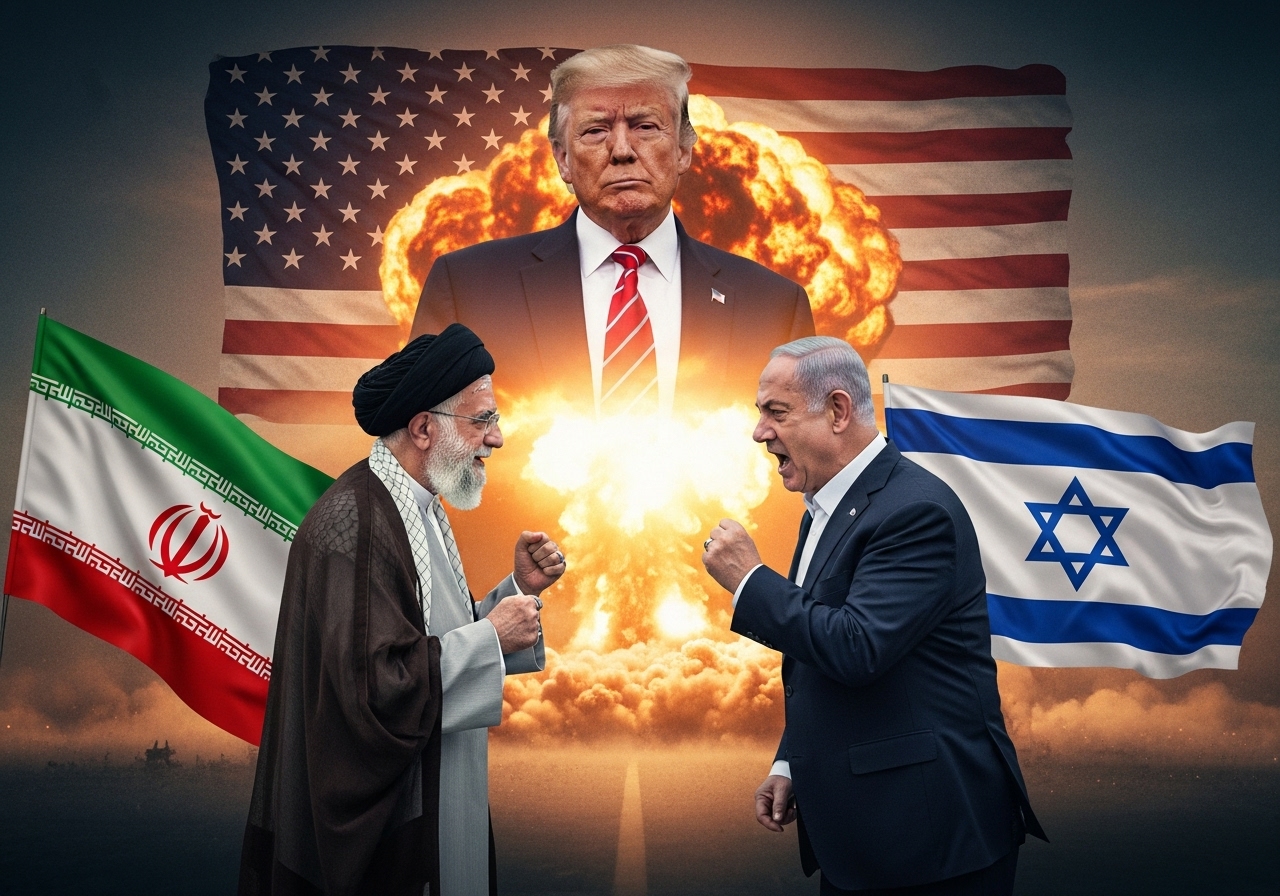
The Strait of Hormuz remains a critical vulnerability. As a primary chokepoint for global oil supplies, any significant military action or blockade in the region could cause immediate energy price shocks across Europe. Reports from international energy agencies indicate that much of Europe’s energy security is tied to the stability of maritime transit routes in the Middle East. If the United States declines to deploy naval assets to protect these routes—a possibility discussed in various political circles regarding future US administrations—the responsibility for securing these lanes could fall to European maritime powers.
Additionally, the instability caused by direct or indirect conflicts involving Iran often triggers humanitarian crises. European leaders have noted that regional volatility in the Middle East frequently leads to increased migration pressures on European borders, making regional security a domestic political issue for the European Union.
The impact of US political shifts on transatlantic security
The potential for a shift in US foreign policy, particularly under a “United States First” doctrine, has forced European planners to run “stress tests” on their current security models. The uncertainty surrounding future US involvement in NATO and the Middle East has created a sense of urgency in Brussels.
Political observers point to previous rhetoric from US leaders regarding the perceived “obsolescence” of NATO as a catalyst for European anxiety. When US political discourse focuses on withdrawing from “forever wars” or reducing overseas military footprints, European defense ministries tend to increase their long-term planning for self-sufficiency.
This is not merely about hardware; it is about the reliability of the “Article 5” collective defense guarantee. While Article 5 remains the bedrock of NATO, the political will required to invoke it is subject to the changes in the US presidency. European leaders are increasingly looking to build “deterrence through denial”—the ability to defend themselves so effectively that an adversary would not attempt an attack in the first place—rather than relying solely on “deterrence through punishment” via US retaliation.
The following table compares the traditional security model with the emerging European autonomy model:
| Feature | Traditional NATO Model | European Autonomy Model |
|---|---|---|
| Primary Security Provider | United States | Combined EU/NATO (with European lead) |
| Military Procurement | Heavy reliance on US technology | Emphasis on European defense industry |
| Decision-making | US-centric strategic direction | Multilateral European strategic direction |
| Risk Management | Reliance on US “Nuclear Umbrella” | Diversified regional defense capabilities |
What are the challenges to a unified European defense?
Despite the momentum, several hurdles remain before a truly autonomous European defense can be realized. The most significant challenge is the economic disparity between member states. While Germany has signaled a massive shift in its defense policy, known as the Zeitenwende, other member states struggle to meet even basic readiness requirements due to fiscal constraints.
There is also the issue of interoperability. European militaries use a wide array of equipment, some of which is incompatible with neighbors. Achieving a seamless, integrated force requires massive investment in standardized communication systems, ammunition types, and logistics networks.
Finally, there is a political divide within the EU itself. Some Eastern European nations, particularly those bordering Russia, remain deeply wary of any move that might weaken the US-led NATO structure. For these nations, “strategic autonomy” can sometimes sound like “strategic isolation” from the most powerful military ally they possess. They argue that the priority should be strengthening the existing NATO framework rather than building a separate European one.
As the geopolitical landscape continues to evolve, the next major checkpoint for these developments will be the upcoming discussions at the next NATO summit, where leaders are expected to address defense spending targets and the long-term integration of European forces within the alliance.
What do you think about the shift toward European defense autonomy? Will it strengthen or weaken the Atlantic alliance? Share your thoughts in the comments below and share this article with your network.
Keep reading
- Karoline Leavitt Resigns as Trump’s White House Press Secretary
- Meet Beverly Beal Jr.: The IP Attorney and Serial Entrepreneur Redefining Success in Detroit
- Trump Media Reports $238m Loss Amid Crypto Declines (archyworldys.com)
- Trump Administration Directs $900 Million to White House Construction (time.news)