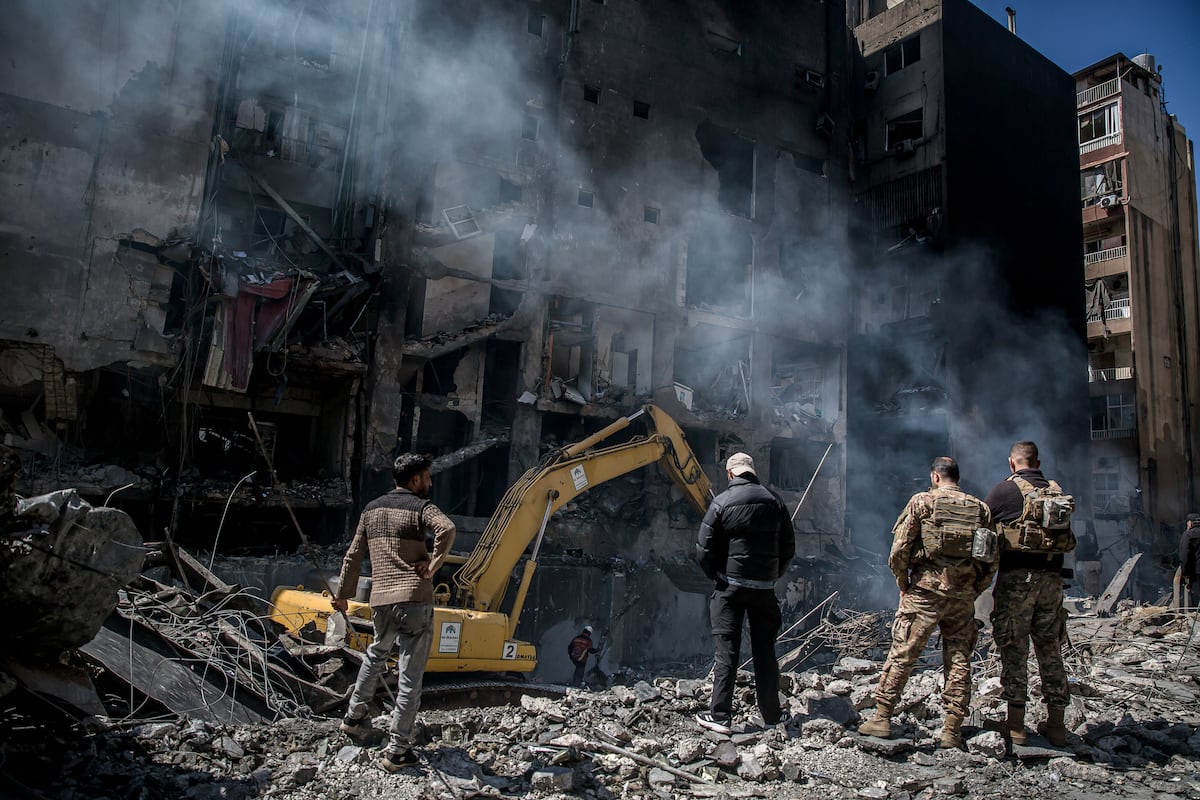
The geopolitical landscape of the Middle East remains in a state of volatile suspension as the war between United States Israel and Iran enters a critical phase of negotiation and strategic attrition. While diplomatic channels have opened to discuss a potential end to the hostilities, the path to a lasting peace is currently obstructed by a deadlock over the conflict in Lebanon and a growing confrontation over the maritime security of the Strait of Hormuz.
As of Friday, April 10, 2026, the international community is watching a precarious dance between ceasefire aspirations and renewed military aggression. The conflict, which escalated into a regional war on February 28, 2026 when the U.S. And Israel initiated coordinated strikes, has fundamentally altered the power structure of the Islamic Republic. The death of Supreme Leader Ayatollah Ali Jamenei in a targeted operation has left a leadership vacuum in Tehran, forcing the regime to seek a successor for the first time since 1989 following coordinated U.S. And Israeli attacks.
Despite these seismic shifts, the immediate future of the region hinges on whether the belligerents can agree on a comprehensive cessation of hostilities. The current stalemate is characterized by “cross-cutting” demands: Iran insists that any peace deal with Washington must include a total ceasefire in Lebanon, while the United States continues to demand the restoration of free navigation in the world’s most vital oil chokepoint.
The Hormuz Deadlock and Economic Warfare
A primary flashpoint in the current tension is the Strait of Hormuz. President Donald Trump has intensified his rhetoric against Tehran, specifically targeting Iran’s plan to impose a transit fee on vessels traversing the strait. In a recent communication via Truth Social, Trump warned Iran to cease these charges immediately, framing the move as an illegal blockade of international waters as reported by El País.
This maritime dispute is not merely about transit fees; it is a strategic leverage point. For the United States, ensuring the free flow of energy is a non-negotiable security interest. For Iran, the ability to disrupt or tax the strait is one of the few remaining asymmetric tools it possesses to exert pressure on the West after the degradation of its conventional military capabilities. The situation is further complicated by the lack of international consensus on a naval response; Spanish Foreign Minister José Manuel Albares has clarified that NATO will not participate in an operation in the Strait of Hormuz, contradicting previous indications from Mark Rutte according to diplomatic reports.
The Lebanon Link: Hezbollah and the Path to Peace
The possibility of a ceasefire is currently tethered to the violence in Lebanon. Iranian Foreign Ministry spokesperson Ismail Bagaei stated on Friday that negotiations with the United States to end the war are contingent upon a ceasefire that extends to Lebanon, which has been subjected to intense Israeli bombardment in recent days per official statements.
This linkage highlights the symbiotic relationship between Tehran and its proxy, Hezbollah. The group has resumed attacks against Israel for the first time in over a year according to AP reports, prompting a fierce Israeli response. However, a potential shift in strategy emerged Thursday when Israeli Prime Minister Benjamin Netanyahu announced the start of “direct conversations” aimed at achieving the disarmament of Hezbollah as reported by news agencies.
The disarmament of Hezbollah represents a “red line” for Iran but a primary security objective for Israel. If Netanyahu can secure a commitment for disarmament, it may decouple the Lebanese conflict from the broader Iran-U.S. Negotiations, but until then, Lebanon remains the primary obstacle to a regional truce.
Strategic Attrition: Targeting the Nuclear Program
Beyond the immediate battlefield and diplomatic tables, the U.S. And Israel are pursuing a long-term strategic objective: the permanent reduction of Iran’s nuclear capacity. This campaign of “strategic attrition” has targeted not only facilities but also the human capital essential to the program’s militarization.
The death of Mohammad Reza Kia, a nuclear scientist and PhD candidate at the Amirkabir University of Technology, serves as a grim example of this strategy. Kia’s death, which his family attributes to an attack according to CNN reporting, is part of a broader pattern of eliminations designed to ensure that Tehran cannot develop a nuclear weapon once the war concludes. President Trump has stated that the U.S. Is on track to achieve these goals, suggesting that the active conflict could last another two to three weeks as of early April 2026.
The Human and Regional Cost
The scale of the devastation is significant, though verified numbers remain elusive due to the fog of war. Iran has claimed that several hundred people have died within its borders per Iranian official reports. Meanwhile, the U.S. Has confirmed the first deaths of American military personnel in this campaign, with additional casualties reported in Israel and several Arab nations of the Gulf according to AP News.
The instability has radiated beyond the immediate combatants. In Pakistan, authorities have taken the extraordinary step of deploying the army and closing key access points in Islamabad to reinforce security amidst the regional uncertainty according to reports from April 10.
Analysis: The Post-Jamenei Order
The death of Ayatollah Ali Jamenei is the most significant political event in Iran in over three decades. By removing the Supreme Leader, the U.S. And Israel have not only degraded Iran’s military command but have also triggered an internal constitutional crisis. The requirement to elect a new leader supreme creates a window of vulnerability that the U.S. Administration is actively attempting to exploit.
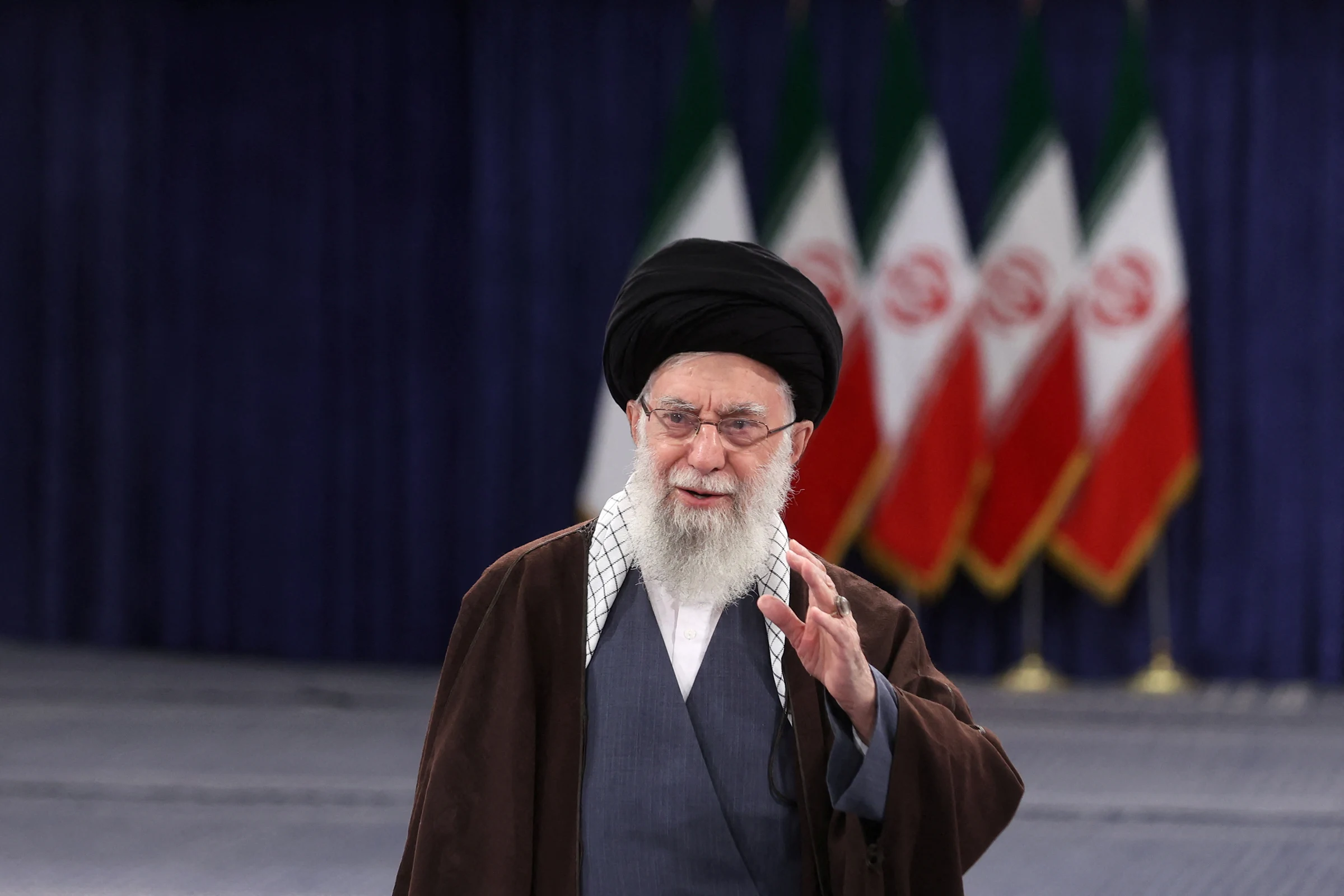
President Trump has publicly urged the Iranian people to overthrow the theocracy, citing the protests that occurred earlier this year as reported by AP. However, We find currently no indications that a popular uprising is underway. Instead, the regime appears to be consolidating power around its remaining military and clerical elite while using the “war of imposition” to galvanize nationalist sentiment.
| Key Vector | Current Status | Primary Objective/Demand |
|---|---|---|
| Strait of Hormuz | High Tension / Blockade Threats | US: Free navigation; Iran: Transit fees/leverage |
| Lebanon Front | Active Combat / Direct Talks | Israel: Hezbollah disarmament; Iran: Ceasefire |
| Nuclear Program | Targeted Attrition | US/Israel: Prevent weaponization/eliminate expertise |
| Iranian Leadership | Power Vacuum | Regime: Succession; US: Regime change/instability |
What Happens Next?
The coming 48 hours are pivotal. Diplomatic efforts are focused on whether the ceasefire negotiations can survive the ongoing escalations in Lebanon and the maritime disputes in the Gulf. The focus now shifts to Saturday, April 11, as authorities in several regional capitals, including Islamabad, remain on high alert for potential developments per reports on April 10.
The world awaits confirmation on whether the “direct conversations” regarding Hezbollah’s disarmament will yield a breakthrough or if the region is headed toward a prolonged war of attrition. For those seeking official updates, we recommend monitoring the official press releases from the U.S. Department of State and the Israeli Ministry of Foreign Affairs.
Do you believe a ceasefire is possible given the current demands regarding Lebanon and the Strait of Hormuz? Share your perspective in the comments below and share this analysis with your network to keep the global conversation informed.
Related reading