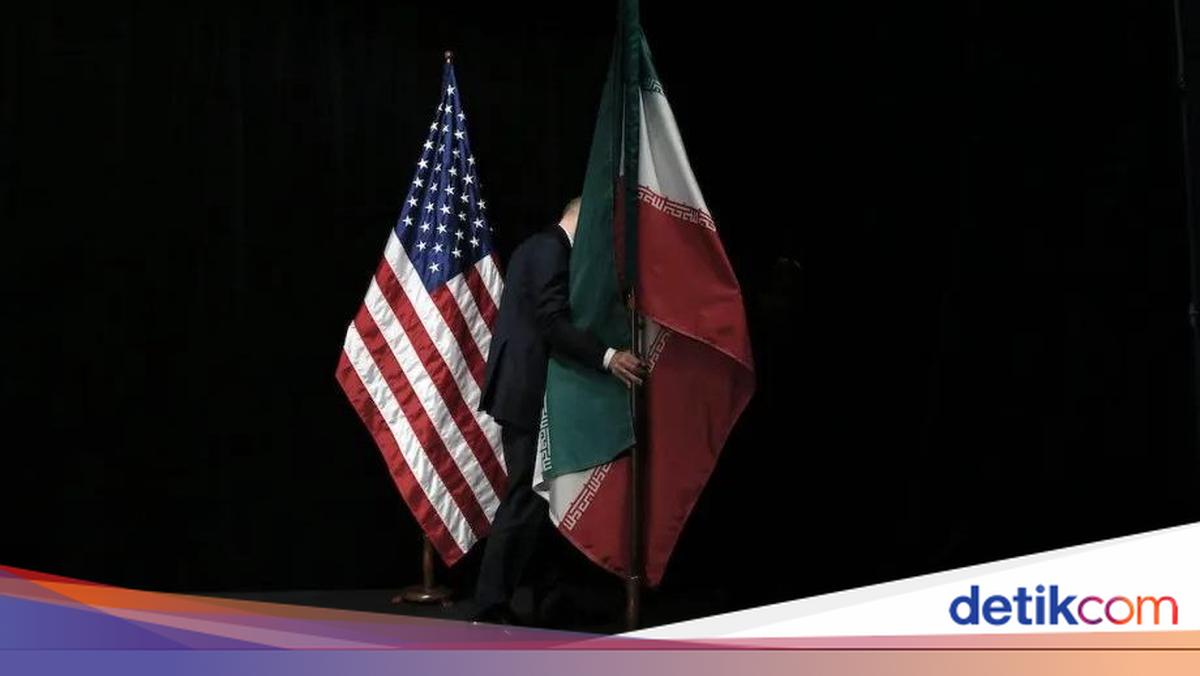
The United States has issued a global security alert, urging American citizens overseas to exercise caution due to the potential for heightened tensions, demonstrations, and violence in various locations around the world. This advisory follows escalating hostilities in the Middle East, specifically involving Iran and Israel, prompting the U.S. government to issue warnings to its nationals currently abroad.
The decision to elevate caution levels is a precautionary measure designed to protect citizens from unpredictable security environments. The U.S. government has cautioned against travel to Israel and the Middle East region, citing the volatile security situation and the risk of civil unrest. For those already in the region, the government has advised maintaining a high level of vigilance.
Geopolitical Tensions and Global Travel Impact
The current security posture is driven by conflicts involving Iran. The travel warnings are not limited to the Middle East. The global nature of the alert reflects a concern that regional conflicts can trigger localized protests or retaliatory actions in other jurisdictions.
Economic Consequences: Energy Markets and Aviation
The instability in the Middle East has affected the global economy, particularly within the energy sector. Fuel prices have increased, and fuel markets in the U.S. and Europe are tight. This operational shift, combined with the rising cost of fuel, has forced some European airlines to face a wave of restructuring.
Safety Recommendations for Citizens Abroad
For U.S. citizens currently traveling or residing internationally, the following guidelines are provided to mitigate personal risk:
- Monitor local media for updates and adjust plans based on new information.
- Avoid areas where demonstrations or large gatherings are expected to occur.
- Keep a low profile and ensure travel documents, such as passports and visas, are current and easily accessible.
- Maintain a contingency plan for emergency situations that does not rely on U.S. government assistance.
- Follow the instructions of local authorities and remain in contact with family members to report your status.
The situation remains dynamic. Citizens are encouraged to check resources frequently, as conditions can change with little notice. As the international community monitors the diplomatic efforts to de-escalate the conflict, the primary focus for travelers should remain on situational awareness and adherence to official guidance from their home governments.
We will continue to provide updates as new security alerts or diplomatic developments emerge. We invite our readers to share their experiences or questions in the comments section below, and to follow our coverage for the latest developments in global geopolitics.
Keep reading