
United States military forces conducted a series of retaliatory strikes against Iranian targets in the Middle East following the loss of an American aircraft. The Pentagon confirmed that these actions were taken in self-defense after U.S. officials reported an American helicopter was downed in the vicinity of the Strait of Hormuz. The incident has intensified regional security concerns, as both nations exchange accusations regarding military posture in critical maritime corridors.
The U.S. Department of Defense officially characterized the engagement as a defensive maneuver, intended to protect American personnel and assets operating in the region. According to a statement from the Pentagon, the strikes targeted facilities identified as being involved in the hostile action against the U.S. asset. The maritime region, particularly the Strait of Hormuz, serves as a primary transit point for global energy supplies, and any disruption to international shipping lanes carries significant geopolitical weight, as noted by the U.S. Energy Information Administration.
Context of the Military Engagement
The escalation follows reports of an American helicopter crash in the Gulf of Oman. While initial reports suggested a potential mechanical failure, subsequent intelligence assessments led the U.S. to attribute the loss to hostile fire. The U.S. military confirmed that both crew members aboard the aircraft were successfully rescued and are currently under medical observation, according to official U.S. Central Command briefings regarding regional operations.
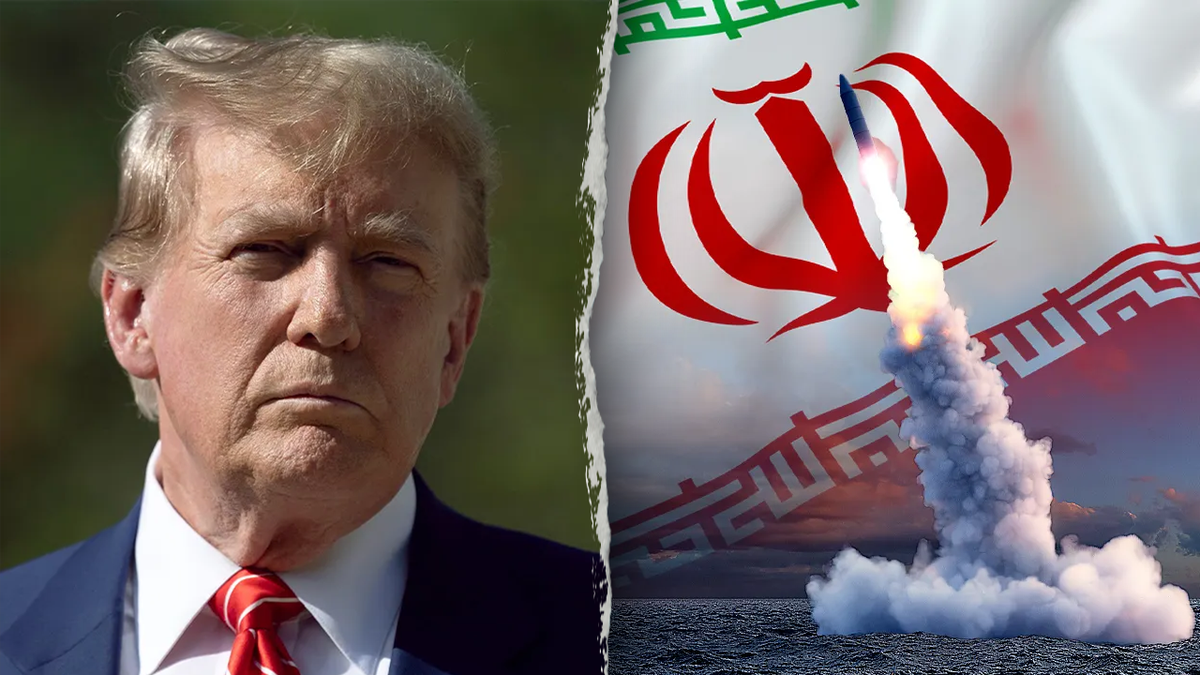
The Iranian government has denied these accusations, asserting that its forces have not engaged in unprovoked attacks against U.S. assets. Conversely, state-affiliated media outlets in Tehran have alleged that the U.S. presence in the region acts as a provocation. The rhetoric from both sides highlights the fragile nature of the current security environment in the Persian Gulf, where military proximity often leads to rapid escalations.
Regional Security Implications
The situation has raised questions about the stability of U.S. bases throughout the Middle East. Recent reports from various international observers have noted heightened alerts at installations in Bahrain and Jordan. However, regional authorities have yet to confirm specific tactical strikes against these bases, and the situation remains fluid as diplomatic channels attempt to manage the potential for further conflict.
The Strait of Hormuz remains a focal point for this tension. As approximately 20% of the world’s total petroleum liquids pass through this narrow waterway, any sustained conflict could have immediate impacts on global energy markets, a report by the International Energy Agency indicates. Analysts monitoring the region emphasize that the current standoff is part of a broader, long-standing pattern of friction between Washington and Tehran, often played out through proxies or direct naval encounters.
Operational Status and Next Steps
As of this writing, there have been no further reports of direct military engagements between the two nations following the U.S.-led strikes. The Pentagon has stated that it reserves the right to take further action if its forces are threatened, maintaining a policy of “active defense” in the theater. The international community, including regional partners in the Gulf Cooperation Council, continues to monitor the situation for signs of de-escalation.
The next confirmed checkpoint for updates on this situation will be the regular press briefing from the Department of Defense, where officials are expected to provide further details on the scope of the defensive strikes and the status of the investigation into the downed aircraft. Readers are encouraged to monitor official channels from the Department of Defense for verified updates as this situation develops. Please share your thoughts and perspectives on these developments in the comments section below.
Worth a look