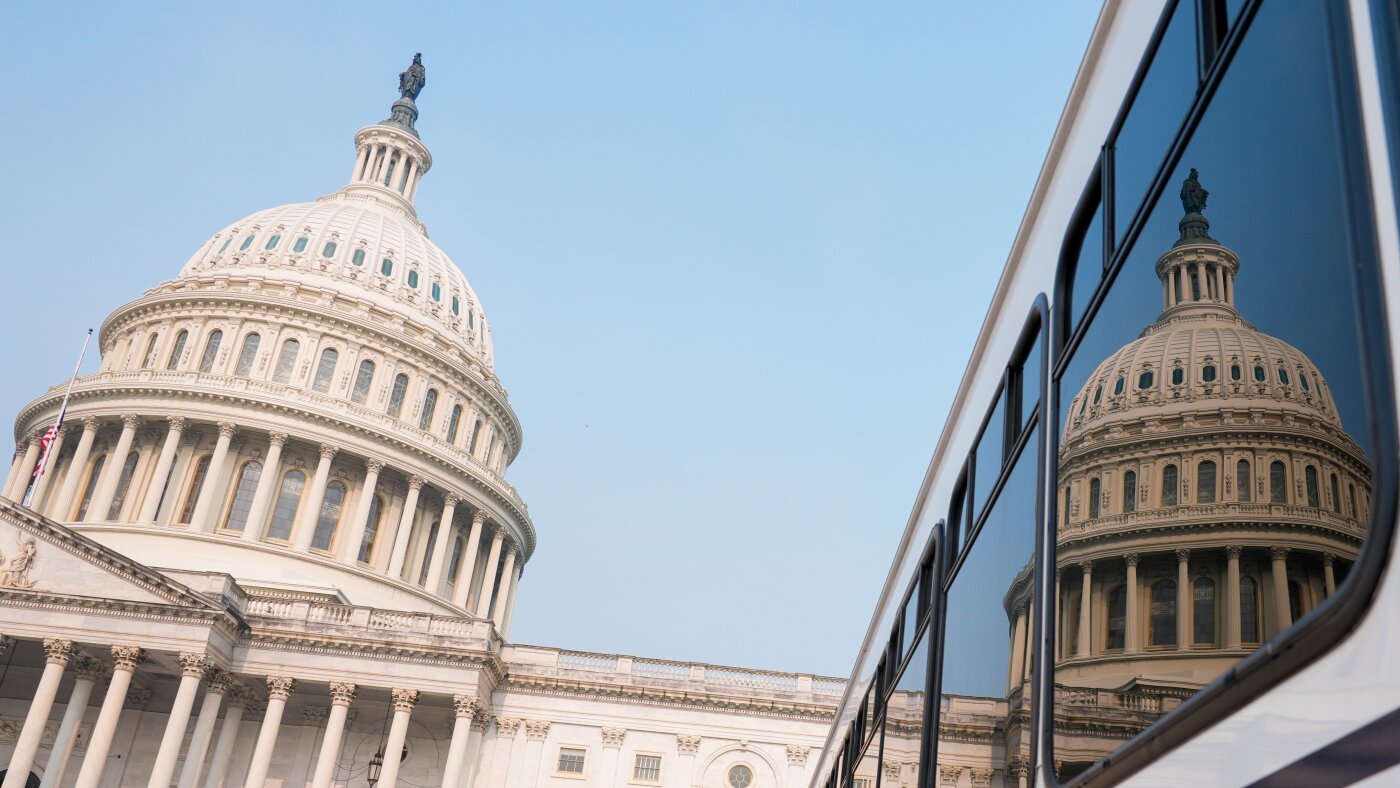
The U.S. House of Representatives passed a stopgap funding bill on Thursday, a legislative move designed to avert a partial government shutdown and sustain federal operations through early 2025. The measure, which now moves to the Senate, provides temporary financial support for government agencies while lawmakers continue negotiations on long-term appropriations for the current fiscal year.
According to the official record from the U.S. Congress, the Continuing Appropriations and Extensions Act, 2025, passed with bipartisan support. This legislation is intended to prevent a lapse in federal funding that would have otherwise triggered a shutdown at midnight on September 30, 2024. The bill extends current funding levels through December 20, 2024, providing a window for further fiscal debate.
Legislative Path and Senate Outlook
The stopgap measure, formally known as a Continuing Resolution (CR), now heads to the Senate for consideration. While the House vote provides a path forward, the Senate’s timeline remains compressed. Senators must act before the end of the fiscal year on September 30 to ensure continuity of government services, as reported by Reuters. The uncertainty surrounding the final passage in the Senate stems from standard procedural requirements and potential amendments that could delay the bill’s arrival on the president’s desk.
If the Senate fails to approve the measure by the deadline, federal agencies would be forced to implement contingency plans for a shutdown. These plans typically involve the suspension of non-essential services, the furlough of civilian employees, and the disruption of government-funded programs. Historical data from the Congressional Research Service indicates that shutdowns involve complex legal and operational challenges, affecting everything from national park access to the processing of federal applications.
Context of the Fiscal Year 2025 Deadline
This legislative effort represents the latest attempt to finalize the federal budget for the 2025 fiscal year, which begins on October 1, 2024. Lawmakers have faced recurring challenges in reaching a consensus on the 12 individual appropriations bills that typically fund the government. By utilizing a stopgap, Congress is opting for a temporary status quo rather than a finalized, comprehensive budget package.
The decision to extend funding follows a series of similar measures throughout the previous year. As noted by the White House, the administration has urged a swift resolution to provide certainty to federal employees and the public. The current bill ensures that government operations, including military pay and critical safety programs, remain funded throughout the upcoming election period, moving the next major budget showdown to the post-election “lame duck” session.
Impact on Federal Operations and Stakeholders
For the general public, a successful extension of funding means that federal agencies will continue to operate under existing mandates. This includes the maintenance of social security distributions, veterans’ services, and active-duty military compensation. The primary stakeholders affected by the ongoing negotiations include federal contractors, state agencies that rely on federal grants, and the civilian workforce tasked with maintaining service delivery during the transition period.
The next confirmed checkpoint for this legislation is a vote in the U.S. Senate. If passed, the bill will then be sent to the President for signature. Citizens can monitor the status of the legislation and view official roll call votes through the U.S. Senate legislative information portal. As these developments unfold, updates will be provided as official notices are filed.
Share your thoughts on the impact of federal budget negotiations by joining the conversation below.
Related reading