
Global financial markets are bracing for a period of heightened volatility this week, as investors weigh the dual pressures of escalating tensions in West Asia and a recent sharp decline in U.S. equity indices. Market participants are shifting toward defensive positions as the intersection of geopolitical instability and cooling sentiment in major American markets creates a complex environment for capital allocation.
As the international community monitors the evolving situation in West Asia, crude oil prices have emerged as the primary barometer for risk appetite. Energy analysts are scrutinizing how potential supply chain disruptions or regional escalations could influence inflation trajectories and central bank policies. This focus on energy security remains a critical concern for investors who saw significant sell-offs in U.S. markets over the weekend, prompting a broader reappraisal of equity valuations.
Geopolitical Risks and the Energy Market
The situation in West Asia remains the focal point for commodity traders as the week commences. Because the region is central to global energy production and transit, any uptick in hostilities typically triggers immediate fluctuations in Brent and West Texas Intermediate (WTI) crude prices. When energy costs spike, the subsequent ripple effects are felt across global supply chains, often leading to increased costs for transportation and manufacturing.
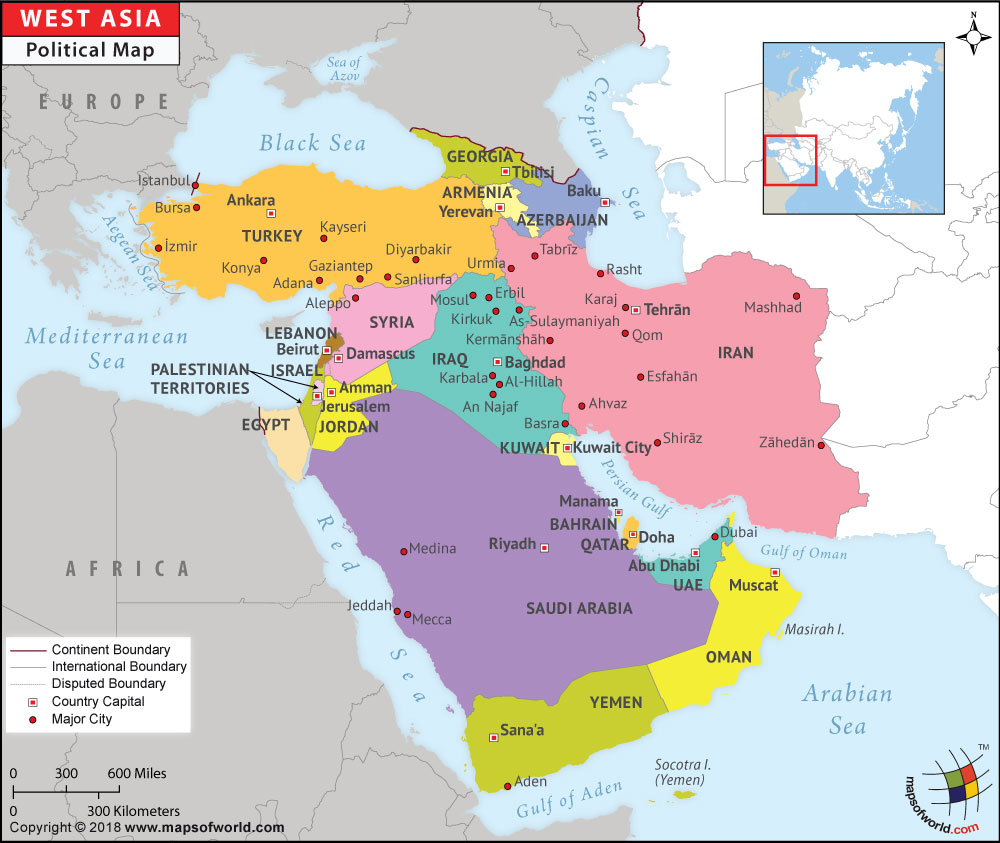
For investors, the primary concern is the potential for these price swings to complicate the efforts of central banks, including the U.S. Federal Reserve, to manage inflationary pressures. According to standard economic frameworks, sustained higher energy prices can dampen consumer spending and squeeze corporate profit margins, which are already under pressure following the recent downturn in U.S. equity performance. Market participants are expected to watch official statements from regional leaders and energy consortiums for any signals regarding production stability.
Market Sentiment Following U.S. Declines
The sharp decline in U.S. markets observed over the weekend has left many institutional investors favoring stability over growth. Analysts often look to the VIX index—a measure of expected market volatility—as a guide for how much fear is currently priced into the S&P 500 and other major benchmarks. A defensive posture is currently becoming more prevalent as traders move capital out of high-beta growth stocks and into traditional safe-haven assets.
This shift in sentiment is not isolated to domestic American concerns. Because the United States remains a central hub for global capital, the performance of its major indices often dictates the opening tone for markets in Asia and Europe. The current environment highlights the fragility of investor confidence, which has been sensitive to updates regarding interest rate trajectories and the potential for a prolonged period of high borrowing costs. Financial institutions continue to emphasize the importance of diversification as a primary tool for mitigating the impact of these macro-level shocks.
What Investors Should Monitor Next
As the trading week progresses, the focus will remain on whether the volatility seen over the weekend represents a temporary correction or the beginning of a sustained downward trend. Investors are advised to monitor official filings and press releases from major financial regulators for any shifts in monetary policy guidance or liquidity measures. Clear communication from central banks regarding their response to external shocks will likely serve as the next major catalyst for market direction.

The unpredictability of geopolitical events in West Asia necessitates a cautious approach to portfolio management. While market participants often seek to interpret early signals, historical precedent suggests that patience and reliance on official, verified data are the most effective strategies for navigating periods of uncertainty. As we look toward the next scheduled economic updates, maintaining a focus on fundamental indicators rather than speculative noise remains the most prudent path for long-term investors.
We invite our readers to share their analysis of the current market climate in the comments section below. Stay tuned for further updates as we continue to track the intersections of global policy and market performance throughout the week.
Related reading