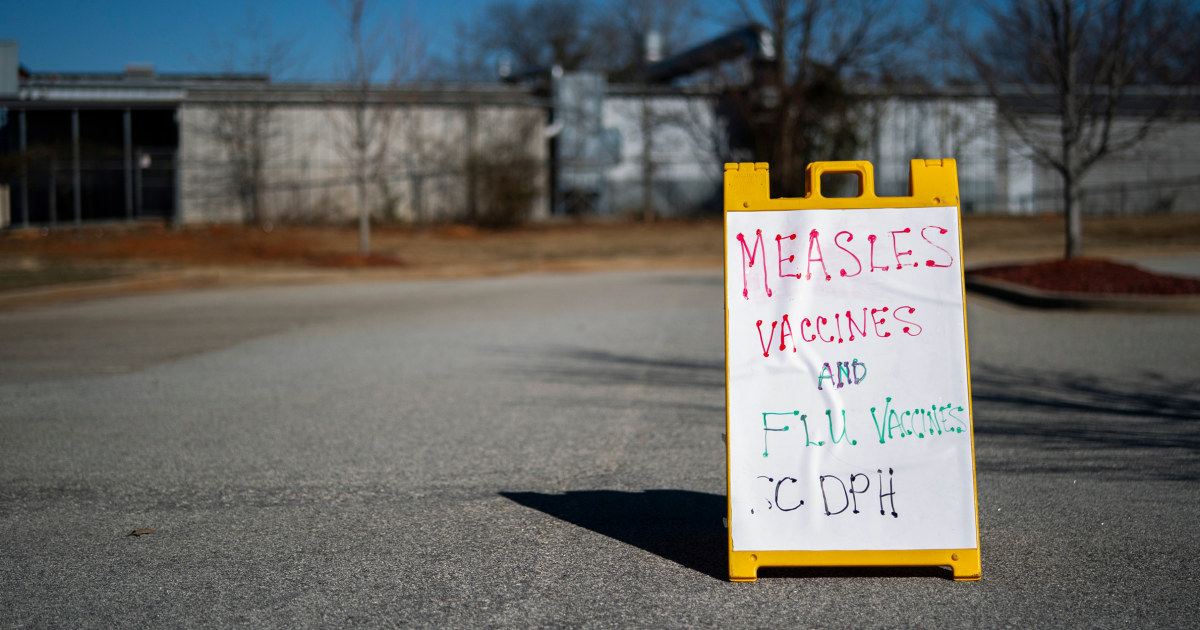
The United States has recorded 2,318 measles cases during the first seven months of 2026, surpassing the total number of infections reported throughout the entire previous year, according to data released by the Centers for Disease Control and Prevention. The new figures place the country on track for a 35-year high in measles incidence, driven by ongoing outbreaks in several under-vaccinated communities across multiple states. Public health officials warn that the accelerated transmission rate underscores declining immunization coverage and persistent vulnerabilities in herd immunity.
Last year, the CDC logged a total of 2,289 measles cases nationwide, a figure that already represented a significant resurgence compared to previous decades when the virus was largely considered eliminated domestically. By crossing that threshold before the end of July, current epidemiological metrics indicate that 2026 will exceed historical benchmarks not seen since the early 1990s. Federal health agencies are coordinating with state and local departments of health to trace exposures, isolate active cases, and bolster outreach efforts aimed at increasing routine MMR (measles, mumps, and rubella) vaccination rates.
The resurgence of the highly contagious viral illness has primarily affected school-aged children and adolescents in communities with localized exemptions or vaccination gaps. Medical professionals emphasize that measles remains one of the most infectious human viruses, capable of lingering in the air for up to two hours after an infected person leaves a room. Symptoms typically appear seven to fourteen days after exposure and include a high fever, cough, runny nose, and watery eyes, followed by a characteristic rash that spreads from the face downward across the body.
Factors Driving the 2026 Measles Surge
Public health analysts point to a compounding mix of post-pandemic hesitancy, administrative hurdles in scheduling routine pediatric visits, and localized clusters of vaccine refusal as primary drivers behind the 2026 totals. According to state health department bulletins, outbreaks frequently originate among international travelers who acquire the virus abroad before introducing it into domestic populations where community immunity has dipped below the roughly 95% threshold required to prevent widespread transmission.
Epidemiologists note that while the vast majority of infected individuals experience standard respiratory and dermatological symptoms, severe complications can occur, particularly among infants under one year of age, pregnant individuals, and immunocompromised patients. Hospitalization rates for the current year reflect these risks, with a notable percentage of diagnosed patients requiring inpatient care for secondary conditions such as pneumonia and acute ear infections. Healthcare facilities nationwide have updated their triage protocols to immediately isolate suspected cases upon arrival to prevent nosocomial spread in waiting rooms.
Public Health Response and Community Outreach
In response to the rising case counts, federal and state health authorities have deployed additional resources to bolster local immunization campaigns. Mobile clinics and expedited school-entry vaccination drives are currently operating in affected counties to catch children up on missed doses. State health officials continue to stress that two doses of the MMR vaccine provide approximately 97% protection against the disease, making immunization the most effective defense against further escalation.
Medical societies and pediatrician networks have also issued clinical advisories urging physicians to maintain a high index of suspicion when evaluating patients presenting with febrile rash illnesses. Laboratories have streamlined testing procedures to ensure rapid confirmation of suspected cases via polymerase chain reaction (PCR) or serological testing, allowing local health departments to initiate contact tracing within 24 hours of a positive result.
Next Steps for Surveillance and Reporting
The CDC will release its next comprehensive update on national measles surveillance data in early September, providing a detailed breakdown of geographic distribution, vaccination status of infected individuals, and hospitalization metrics. State health departments encourage residents to consult official agency portals for real-time advisories regarding local exposure sites and vaccination schedules. Community members seeking to verify their immunization status are advised to contact their primary care provider or access state immunization registries.
Worth a look