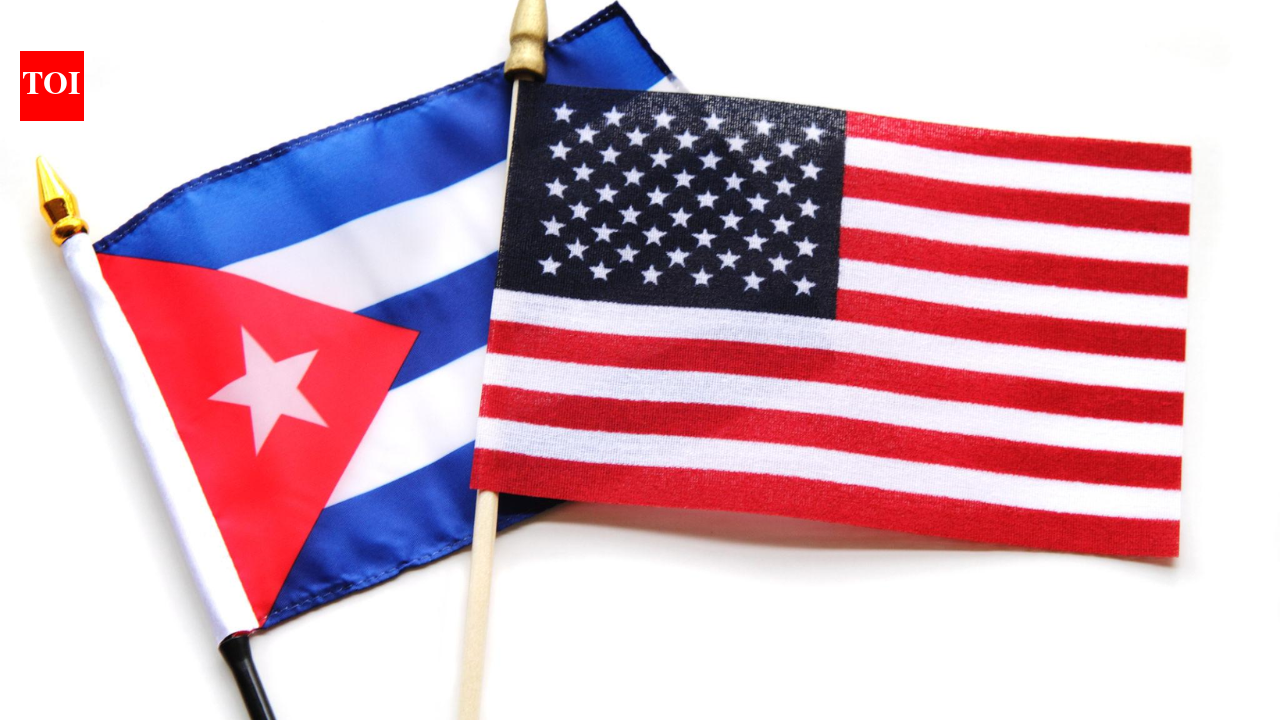
In a rare instance of high-level military-to-military communication, a senior United States commander engaged in discussions with Cuban military officials near the Guantanamo Bay Naval Base. This meeting, which took place in an environment of heightened regional scrutiny, marks a notable moment in the complex, decades-long history of U.S.-Cuba relations. As the Caribbean remains a focal point for shifting geopolitical strategies, such direct channels of communication are often viewed by analysts as vital for preventing miscalculation, even amidst significant policy disagreements.
The encounter occurs against a backdrop of long-standing diplomatic tension, characterized by a complex web of sanctions and evolving security postures. While Washington maintains a policy of pressure regarding the Cuban government’s internal practices, the necessity for operational deconfliction near the Guantanamo facility—which has hosted a U.S. Naval presence since the early 20th century—frequently compels rare, localized interaction between the two militaries. These meetings are distinct from formal diplomatic negotiations, functioning instead as tactical necessities to ensure regional stability.
For those of us tracking the evolution of international security, the significance of this meeting lies not in a thaw of broader ideological differences, but in the pragmatic reality of proximity. With recent reports of naval deployments in the Caribbean, the need for transparent communication lines becomes a priority for military planners to avoid unintended escalations. Understanding these developments requires looking past the rhetoric to the practical mechanisms that keep maritime and terrestrial borders secure.
Geopolitical Context and the Guantanamo Security Dynamic
The U.S. Naval Base at Guantanamo Bay serves as a unique entity in international law and regional security. Established under a 1903 lease agreement, the base operates under a permanent lease that can only be terminated by mutual consent or abandonment by the United States, according to the official terms of the lease agreement. Because of this unique status, the U.S. Military maintains a constant, high-readiness presence in the immediate vicinity of Cuban territory, creating a permanent friction point that necessitates occasional, albeit strictly functional, contact with the Cuban Revolutionary Armed Forces.
In recent years, the U.S. Approach to Cuba has been defined by a strategy of “maximum pressure,” involving the tightening of the long-standing economic embargo and the addition of various entities to the State Department’s list of restricted organizations. The U.S. Department of State’s Cuba Restricted List continues to dictate the parameters of American engagement, limiting financial transactions and travel. Despite these constraints, the Department of Defense maintains protocols for “deconfliction” meetings, which are intended to address operational safety, border incidents and maritime security issues rather than political reconciliation.
Observers of Caribbean security have noted that the deployment of additional naval assets to the region is often framed by the Pentagon as part of routine exercises or counter-narcotics operations. The U.S. Southern Command (SOUTHCOM) oversees these deployments, which are frequently coordinated with international partners to monitor maritime transit corridors. While these maneuvers are standard, their proximity to Cuban waters ensures that they remain a point of contention in Havana, which views such activity as an encroachment on its sovereignty.
Operational Realities and Diplomatic Constraints
The communication between U.S. And Cuban military officers is highly structured and limited in scope. These sessions are typically conducted at the staff level, focusing on specific procedural issues rather than policy-level dialogue. Historically, such interactions have been used to manage the movement of personnel, coordinate responses to natural disasters, or address security concerns at the base perimeter. The sensitivity of these discussions means that they are rarely publicized in detail by either side, leaving much of the content to be inferred by regional analysts.

For the Cuban government, these meetings represent a pragmatic acknowledgment of the U.S. Presence, even as they continue to demand the return of the Guantanamo territory. The internal economic pressures facing Cuba, compounded by the limitations of the U.S. Embargo, have made the maintenance of regional stability a key component of their foreign policy. Conversely, U.S. Officials maintain that their military posture in the region is designed to deter aggression and protect national interests, while simultaneously managing the risks inherent in having a military installation located within a potentially adversarial country.
The role of the United States in the Caribbean has also been complicated by the shifting influence of other global powers. As nations like Russia and China increase their economic and diplomatic footprint in Latin America, Washington has signaled a heightened focus on the region’s security architecture. This shift has placed additional pressure on the U.S. Military to demonstrate a visible, reliable presence, further complicating the already delicate balance of power near the Cuban coast.
What Happens Next: Monitoring Regional Stability
As we look toward the coming months, the focus remains on whether these tactical meetings will lead to any broader, albeit quiet, efforts to reduce regional tensions. There is no current evidence of a formal shift in U.S. Policy toward normalizing relations, and both sides remain deeply entrenched in their respective positions. However, the continuation of these military-to-military channels provides a critical, if narrow, safety valve.
The next major developments to watch will be the U.S. Southern Command’s scheduled regional security briefings, which often provide insight into the scope of naval activity in the Caribbean basin. Observers should monitor updates from the U.S. Department of State regarding any potential adjustments to travel advisories or economic regulations affecting the region. These official channels remain the most reliable sources for understanding the evolving trajectory of U.S.-Cuba relations.
Maintaining a clear view of these events is essential for understanding the broader currents of global affairs. As we continue to report on these developments, I encourage our readers to look for the nuances behind the headlines. If you have insights or questions regarding the security landscape in the Caribbean, please feel free to share your thoughts in the comments section below. Your engagement helps foster a more informed global conversation.
Maria Petrova is the World Editor at World Today Journal. With over 14 years of experience in international reporting, she specializes in analyzing the intersection of geopolitics and human rights.
Keep reading