
The security situation in the Strait of Hormuz has intensified following reports of a military engagement involving Iranian drones and United States forces. The incident, which has drawn immediate attention from international observers, marks a volatile development in the ongoing regional tensions that have characterized the maritime corridor for months.
According to reports emerging from intelligence assessments, U.S. Forces engaged and neutralized several unmanned aerial vehicles (UAVs) that were identified as being launched from Iranian territory toward the critical waterway. The Strait of Hormuz remains one of the most significant maritime chokepoints globally, serving as a vital artery for international energy supplies. The U.S. Military’s response to these drone incursions underscores the heightened state of readiness currently maintained by international naval coalitions operating in the region.
Strategic Context of the Strait of Hormuz
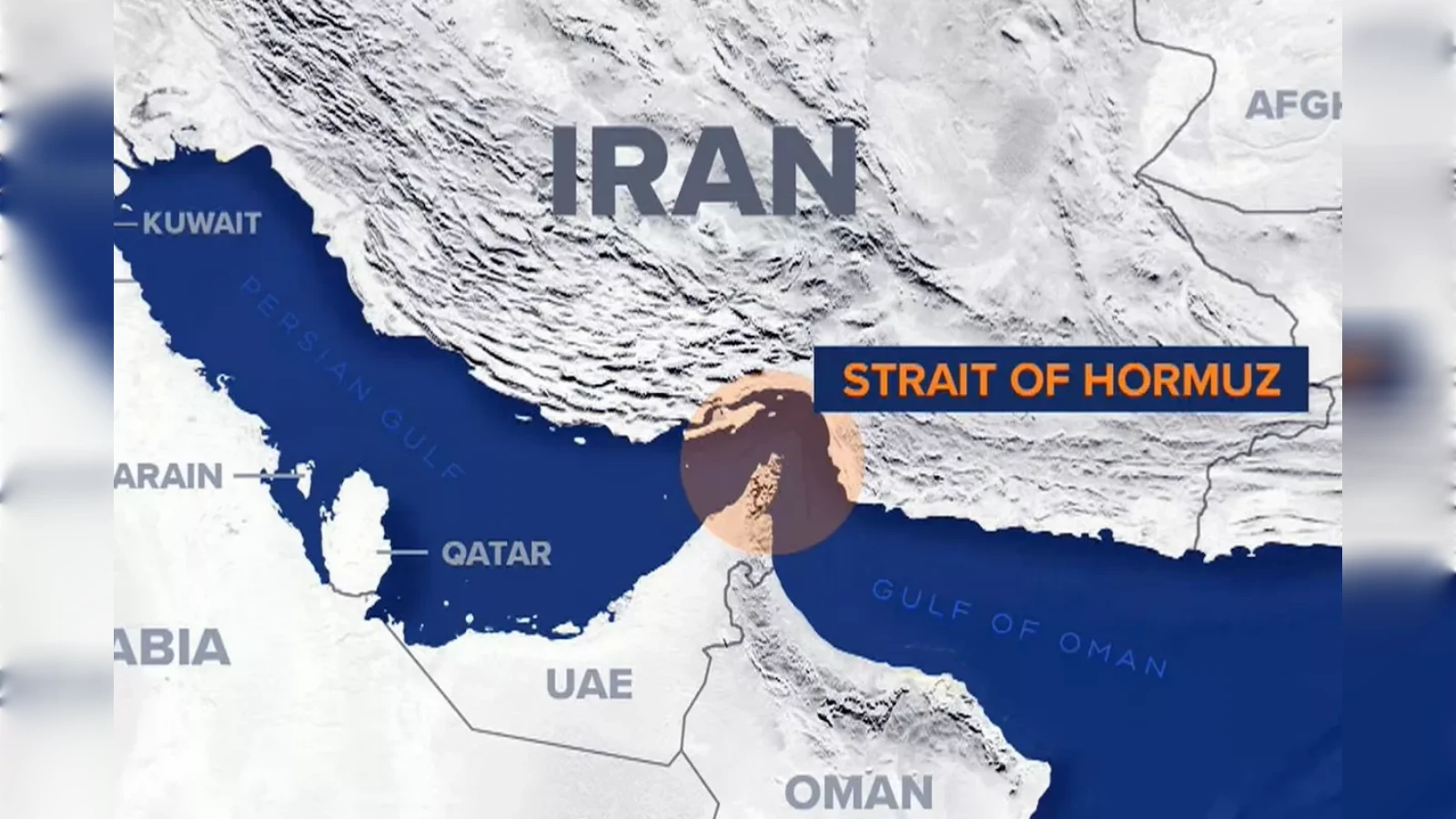
The Strait of Hormuz is a narrow passage connecting the Persian Gulf with the Gulf of Oman and the Arabian Sea. Its strategic importance cannot be overstated; it is the primary route for a substantial percentage of the world’s daily oil and liquefied natural gas (LNG) shipments. Any disruption to traffic in this area has immediate and cascading effects on global energy markets.
Recent intelligence indicates that Iran’s military industrial base has been undergoing a rapid process of reconstitution. Sources familiar with U.S. Intelligence assessments have noted that Iran has been working to rebuild military capabilities that were previously degraded during earlier phases of regional conflict. This includes the restoration of missile sites, launcher facilities, and the manufacturing capacity for key weapons systems, such as the Shahed series of drones as reported in recent U.S. Intelligence briefings.
Military Reconstitution and Regional Tensions
The ability of the Iranian military to resume the production of drone components has been a focal point for defense analysts. While the timeline for the full restoration of these capabilities varies by system, some U.S. Estimates have suggested that the reconstitution of drone attack capabilities could be achieved in a relatively short window of time. The persistence of these systems, even after significant efforts to degrade them, highlights the challenges inherent in maintaining long-term regional stability.
Intelligence reports suggest that if hostilities were to resume on a larger scale, Iran could potentially employ a combination of its missile and drone fleets to challenge regional allies and commercial shipping. This dual-threat approach complicates the defensive strategies currently employed by the U.S. And its partners in the Middle East, who must account for both high-speed missile trajectories and the swarming potential of unmanned aerial vehicles.
Key Factors in the Current Security Landscape
- Rapid Reconstitution: Intelligence indicates that Iranian military manufacturing timelines have frequently exceeded initial estimates for the speed of recovery.
- Maritime Security: The Strait of Hormuz remains a central theater where U.S. Naval assets monitor and respond to potential threats to the freedom of navigation.
- Technological Proliferation: The continued reliance on drone technology by regional actors necessitates ongoing adjustments to defensive air and maritime strategies.
The situation remains fluid. While U.S. Officials have not released a full, declassified breakdown of the most recent engagement, the pattern of activity aligns with documented concerns regarding the proliferation of drone technology in the region. Observers are now looking toward the next scheduled regional security briefings for further clarity on the operational status of the strait.
As the international community monitors these developments, the primary focus remains on preventing a broader escalation that could threaten the stability of global energy routes. We will continue to track official statements from the U.S. Department of Defense and regional maritime authorities as more information becomes available. We invite our readers to share their insights and perspectives on these developments in the comments section below.