
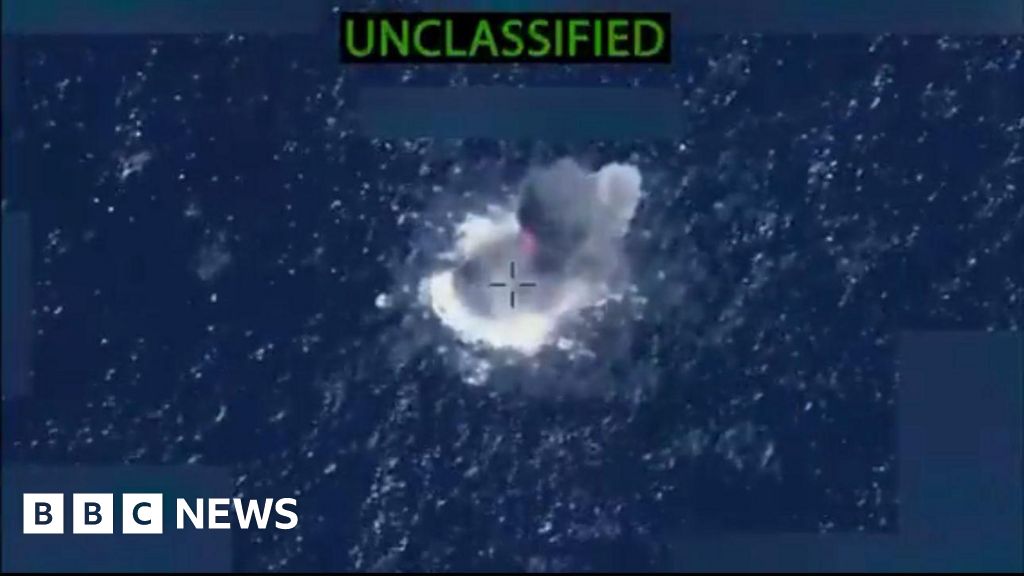
U.S. Strikes on suspected Drug Trafficking Vessels Spark Legal Debate and Regional Tensions
Recent U.S. military actions targeting vessels suspected of drug trafficking off the coasts of Colombia and Venezuela have ignited a firestorm of controversy. The operations, authorized by former President Trump, raise serious questions about international law, presidential authority, and escalating tensions in the region. This article provides a thorough overview of the situation, examining the events, legal challenges, and potential ramifications.
What Happened?
The U.S. Navy has conducted a series of strikes against boats allegedly carrying narcotics. These incidents, primarily occurring in the Pacific Ocean - a major drug trafficking route – and the Caribbean Sea, have resulted in the destruction of at least four vessels and the deaths of at least 15 individuals identified as “narco-terrorists” by officials.
Here’s a breakdown of the reported events:
* Initial Strikes: Four vessels were targeted on Monday, with eight fatalities reported.
* Subsequent Actions: Two further strikes resulted in four and three deaths, respectively.
* Sole Survivor: One individual survived the attacks and is currently under the care of Mexican authorities.
* Visual Evidence: Videos released by officials show vessels engulfed in flames following the strikes.
Sean Hegseth, a representative involved in the operations, stated the targeted vessels were tracked along known narco-trafficking routes and were confirmed to be carrying narcotics.
The Legal Gray Area
The legality of these actions is fiercely debated. Experts in international law argue the strikes violate established norms and perhaps international law. Concerns center around:
* Sovereignty: Conducting military operations in international waters against vessels suspected of criminal activity without due process raises questions about respecting the sovereignty of neighboring nations.
* Due Process: Critics argue the lack of a judicial order or opportunity for defense for those on board the vessels is a meaningful violation of legal principles. Colombian Deputy Foreign Minister Mauricio Jaramillo described the strikes as “disproportionate and outside international law,” emphasizing the lack of opportunity for those targeted to defend themselves.
* Presidential Authority: Members of both the Democratic and Republican parties in the U.S. Congress have questioned the president’s authority to order such actions without congressional approval.
President trump maintains he has the legal authority to continue these operations, but has suggested he might seek congressional approval if the campaign expands to include targets on land.He has also stated he is “totally prepared” to strike land-based targets, a move that would represent a substantial escalation.
Rising Regional Tensions
These strikes are occurring against a backdrop of increasing tensions with both Venezuela and Colombia.
* Venezuela: President Trump has accused Venezuelan President Nicolás Maduro of leading a drug-trafficking institution – a claim Maduro vehemently denies. The U.S. military build-up in the region has fueled fears in Venezuela of potential destabilization efforts.
* Colombia: The U.S. has imposed sanctions on Colombian President Gustavo Petro, alleging insufficient efforts to combat drug trafficking. This has further strained relations between the two countries.
Adding to the heightened atmosphere, the U.S. has deployed significant military assets to the Caribbean, including troops, aircraft, naval vessels, and the world’s largest warship, the USS Gerald R Ford.
What Does This Meen for You?
These developments have far-reaching implications. Beyond the immediate legal and political ramifications, you should be aware of:
* Potential for Escalation: The situation carries the risk of escalating into a broader conflict, particularly if the U.S. moves to strike land-based targets.
* Humanitarian Concerns: The loss of life and the lack of due process raise serious humanitarian concerns.
* Impact on Regional Stability: The increased tensions could destabilize the region, potentially leading to increased violence and displacement.
* Drug Trafficking Dynamics: While intended to disrupt drug trafficking, the strikes could inadvertently alter trafficking routes and methods, potentially leading to unintended consequences.
Looking Ahead
The U.S. strategy of directly confronting suspected drug traffickers remains highly controversial. The legal challenges, regional tensions, and potential for escalation demand careful consideration.As the situation unfolds, it’s crucial to stay informed and understand the complex dynamics at play.
Disclaimer: *I am an


