
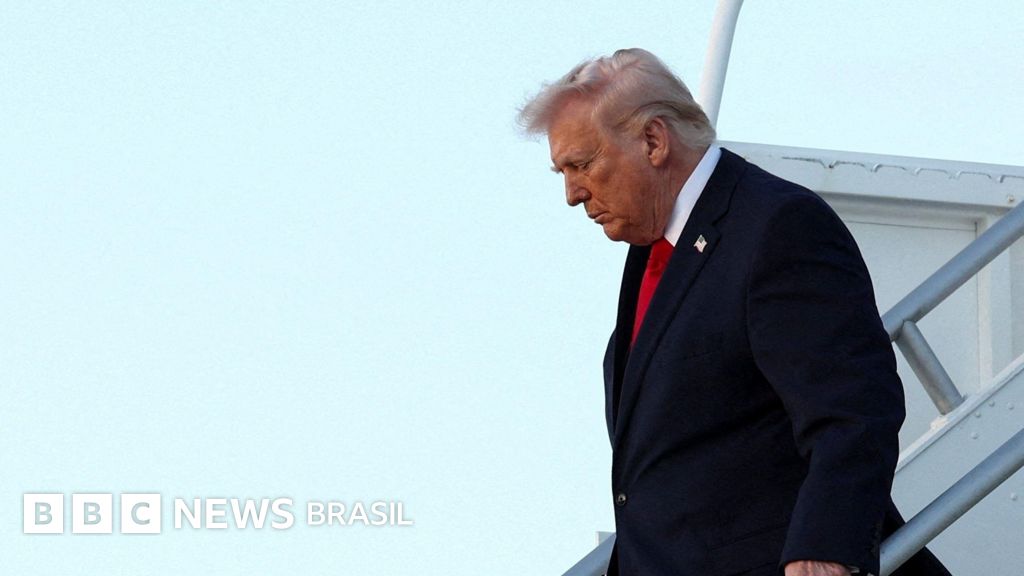
Global energy markets are on high alert as the United States prepares to implement a total naval blockade of the Strait of Hormuz. The move, ordered by President Donald Trump, represents a severe escalation in the ongoing conflict and threatens to disrupt one of the world’s most critical maritime chokepoints.
The United States Central Command (CENTCOM) announced that the military will implement a “blockade to all maritime traffic” in the strategic waterway starting at 11:00 Brasília time this Monday, April 13, 2026 according to official announcements. The decision follows the collapse of nuclear negotiations held in Islamabad, Pakistan, where diplomats failed to reach an agreement on the Iranian nuclear issue as reported by regional news services.
The US naval blockade of the Strait of Hormuz comes at a time of extreme volatility. The waterway is essential for global energy security, as approximately 20% of the world’s petroleum passes through the strait according to industry data. With traffic already restricted by Iran since the start of the war with the US and Israel on February 28, the new American restrictions are expected to send shockwaves through global oil prices.
A Diplomatic Collapse in Islamabad
The shift toward a full naval blockade was triggered by the failure of high-stakes talks in Pakistan. President Donald Trump directed the military action after negotiations regarding Iran’s nuclear program reached a stalemate in Islamabad per reports on the diplomatic breakdown. Trump has previously stated that the US would block ships that pay Iran to transit the strait.
This diplomatic failure has pushed the region toward a direct military confrontation. While the US views the blockade as a necessary tool to exert pressure and ensure security, Tehran has characterized the move as a violation of international law.
Naval Operations and Mine Clearance
Parallel to the blockade, the US Navy has launched an intensive operation to secure the waterway. CENTCOM has deployed forces to detect and remove naval mines, which US authorities attribute to the Iranian Revolutionary Guard Corps (IRGC) as stated by US military command. The objective is to ensure the maritime route is entirely free of explosive threats.
The mission is supported by two primary warships: the USS Frank E. Peterson (DDG 121) and the USS Michael Murphy (DDG 112) according to CENTCOM records. Both vessels have already crossed the strait and are currently operating in the waters of the Arabian Gulf. To enhance detection capabilities, the US is utilizing specialized underwater drones to identify objects on the seabed.
Iran’s Response: “Illegal Piracy” and Retaliation Threats
The Iranian government has reacted with fierce condemnation. The Iranian Army described the planned US blockade as “illegal” and equated the action to “piracy” per a statement read on state television. Tehran argues that restrictions on navigation in international waters are criminal acts.
The Islamic Republic of Iran has also issued a stern warning regarding the safety of regional ports. Iran stated that if the security of its own ports in the Persian Gulf and the Arabian Sea is threatened, “no port in the Persian Gulf and the Arabian Sea will be safe” according to the Iranian military.
the IRGC has denied that a blockade is currently in effect and claims the strait remains open to civilian ships under specific regulations according to a statement via the Tasnim agency. The IRGC warned that any military vessel attempting to approach the area under any pretext would be viewed as a violation of the ceasefire and would face a “contundent response.”
Key Strategic Details of the Conflict
| Detail | Information |
|---|---|
| Blockade Start Time | Monday, April 13, 11:00 Brasília time |
| Global Oil Impact | Approximately 20% of world petroleum transit |
| US Naval Assets | USS Frank E. Peterson (DDG 121), USS Michael Murphy (DDG 112) |
| Trigger Event | Failure of nuclear talks in Islamabad, Pakistan |
| War Start Date | February 28, 2026 |
Global Energy Implications
The strategic importance of the Strait of Hormuz cannot be overstated. Since it is the primary artery for oil exports from the Persian Gulf, any total cessation of traffic typically leads to an immediate spike in global crude prices. The combination of the US blockade and Iran’s previous restrictions since February 28 has created a high-risk environment for global energy markets as noted in economic reports.
Industry analysts warn that the “all maritime traffic” restriction announced by CENTCOM could lead to a global energy shock, as shipping companies may avoid the region entirely to escape the risk of being caught in a military engagement between the US Navy and the IRGC.
The next critical checkpoint will be the actual implementation of the blockade at 11:00 Brasília time today, and the subsequent reaction of the Iranian Navy to the presence of US warships and underwater drones in the strait.
World Today Journal will continue to monitor this developing story. We invite our readers to share their perspectives on the global economic impact of this blockade in the comments below.