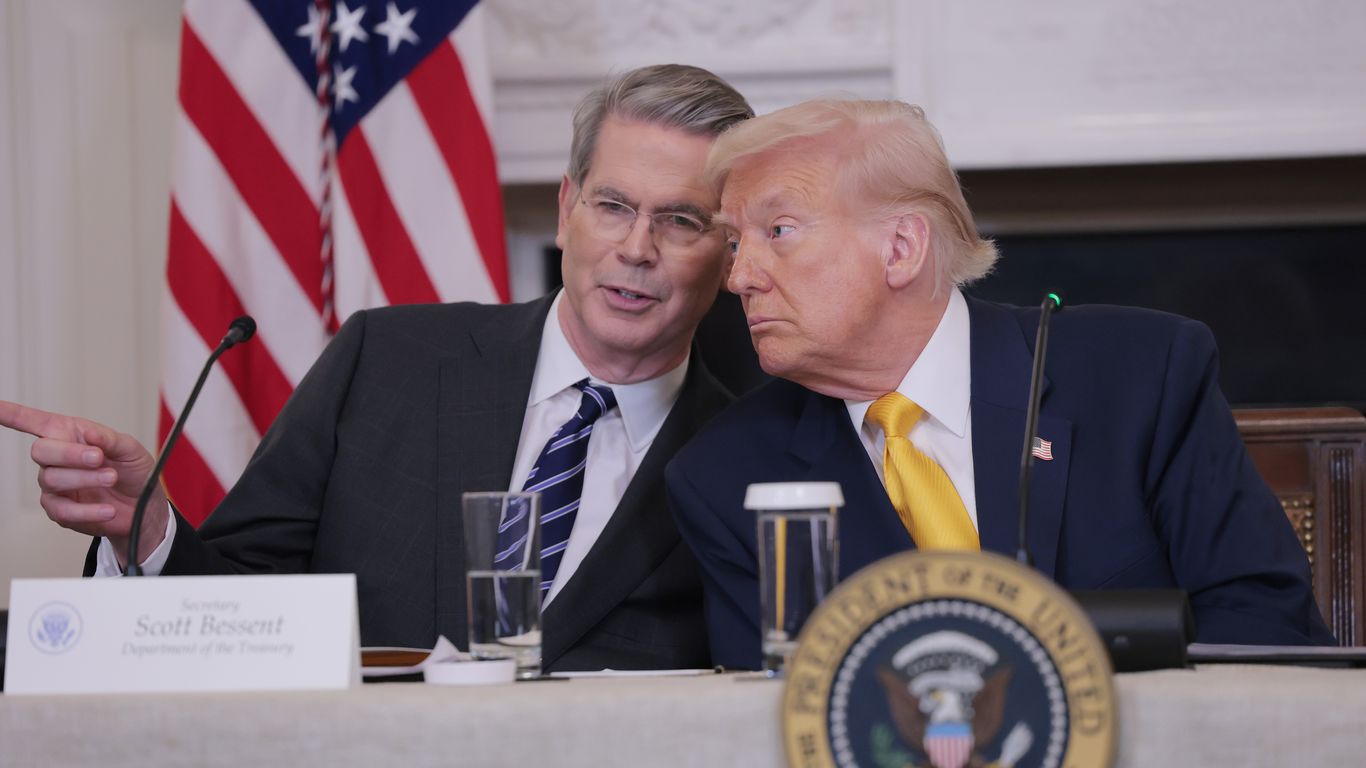
The escalating conflict in the Middle East is increasingly impacting global energy markets, prompting the United States to prepare for the potential escort of oil tankers through the strategically vital Strait of Hormuz. Treasury Secretary Scott Bessent announced Thursday that the U.S. Navy will begin these escorts “as soon as We see militarily possible,” potentially alongside an international coalition. This move comes as the Strait of Hormuz, a critical chokepoint for global oil supply, faces effective closure due to the ongoing war between the U.S., Israel and Iran, which began on February 28th. The situation is creating significant disruption, with the International Energy Agency (IEA) reporting the largest supply disruption in history.
The decision to deploy naval escorts reflects the growing concern over the security of maritime traffic in the region. Approximately 20% of the world’s oil supply passes through the Strait of Hormuz, making it a focal point in the current geopolitical tensions. The potential for disruption has already sent crude oil prices soaring, impacting economies worldwide. While Iranian tankers and some Chinese-flagged vessels have continued to transit the strait, according to Bessent, concerns remain about potential mining of the waterway and attacks on commercial shipping. The U.S. Has already committed $11 billion to the conflict, as stated by Bessent, highlighting the financial strain of the ongoing military operations.
Escort Timeline and Military Readiness
While the commitment to provide naval escorts is firm, the timeline remains contingent on achieving specific military objectives. According to Bessent, the U.S. Needs to establish “complete control of the skies” and degrade Iran’s missile rebuilding capabilities before safe passage can be guaranteed. Energy Secretary Chris Wright echoed this sentiment, stating that while escorts would happen “relatively soon,” they “can’t happen now.” Wright explained that current military assets are focused on dismantling Iran’s offensive capabilities and its associated manufacturing infrastructure. He suggested that escorts could potentially begin by the end of March, but stressed the need for continued military progress.
The logistical challenges of initiating these escorts are significant. The U.S. Navy must ensure the safety of not only the tankers themselves but also its own personnel operating in a highly volatile environment. Drones, cruise missiles, and fighter jets are now a common sight for sailors in the Gulf, as reported by the BBC, with crews facing the constant threat of attack. Sailors aboard oil tankers and freight ships are reporting near-misses and witnessing skirmishes, creating a tense and dangerous atmosphere. One Pakistani sailor aboard an oil tanker in the United Arab Emirates described seeing Iranian drones and cruise missiles flying at low altitude, while a Myanmar sailor recounted witnessing fighter jets engaging in combat while working on deck.
Economic Implications and Global Oil Supply
The closure of the Strait of Hormuz is having a cascading effect on the global economy, particularly in the energy sector. The IEA has responded to the crisis by coordinating the release of up to 400 million barrels of oil from member governments’ strategic reserves, a measure requested by President Trump. However, the IEA acknowledges that What we have is a “stop-gap measure” and will not fully mitigate the impact of a prolonged disruption. Global energy prices have already surpassed $100 a barrel, and ClearView Energy Partners warns that prices could rise significantly in the coming month if the situation does not improve.
To alleviate some of the pressure on global supply, the U.S. Is temporarily authorizing countries to purchase Russian oil currently stranded at sea, as confirmed by Treasury Secretary Bessent on X (formerly Twitter). This move, while controversial given existing sanctions against Russia, underscores the severity of the supply crisis and the need to identify alternative sources of oil. However, reliance on Russian oil to offset the disruption in the Strait of Hormuz highlights the complex geopolitical considerations at play. The situation also underscores the limitations of strategic oil reserves, as seaborne releases can take weeks to arrive.
Confirmed: The U.S. Is providing a temporary authorization to permit countries to purchase Russian oil currently stranded at sea to increase the global reach of existing supply. https://t.co/someURL
— Secretary Scott Bessent (@SecScottBessent) March 12, 2026
Naval Protection and Potential Risks
The prospect of U.S. Navy escorts is not without its risks. The Hill reports that experts are concerned about the proximity of drones and the potential for asymmetric warfare tactics employed by Iran. The narrow confines of the Strait of Hormuz make it a challenging environment for naval operations, increasing the vulnerability of ships to attack. The potential for miscalculation or escalation remains a significant concern. Iran’s new supreme leader, Mojtaba Khamenei, has stated that the Strait of Hormuz should remain closed as a “tool to pressure the enemy,” indicating a continued unwillingness to compromise.
The U.S. Navy’s ability to effectively protect shipping in the Strait of Hormuz will depend on its ability to neutralize Iranian threats and maintain a secure operating environment. This will require a robust intelligence gathering effort, advanced defensive capabilities, and a clear rules of engagement. The potential for involvement of other nations, either through direct participation in the escort mission or through providing logistical support, could also play a crucial role in ensuring the success of the operation. The situation remains fluid and requires careful monitoring and diplomatic engagement to prevent further escalation.
Key Takeaways
- The U.S. Navy is preparing to escort oil tankers through the Strait of Hormuz, a critical waterway for global oil supply.
- The decision is a response to the effective closure of the strait due to the ongoing conflict with Iran, which has caused significant disruption to the energy market.
- The timeline for the escorts is contingent on achieving military objectives, including establishing air superiority and degrading Iran’s missile capabilities.
- The economic implications of the disruption are substantial, with oil prices soaring and the IEA releasing strategic reserves to mitigate the impact.
- Naval escorts carry inherent risks, including the threat of asymmetric warfare and the potential for escalation.
As of Friday, March 13, 2026, the Strait of Hormuz remains effectively closed to non-Iranian energy cargoes for the 14th consecutive day. The next key development to watch will be the release of the IEA’s next monthly report, expected in early April, which will provide an updated assessment of the global oil market and the impact of the ongoing conflict. We encourage readers to share their thoughts on this critical situation in the comments below and to share this article with their networks.
Worth a look