
Recent reports concerning military activity in the Persian Gulf have prompted international scrutiny, with a U.S. official assessing claims regarding Iranian projectile launches directed toward regional neighbors. While various regional outlets have circulated reports alleging that Iran launched missiles and drones toward Bahrain and Kuwait, these claims remain subject to verification by international monitoring bodies and official government statements from the countries involved.
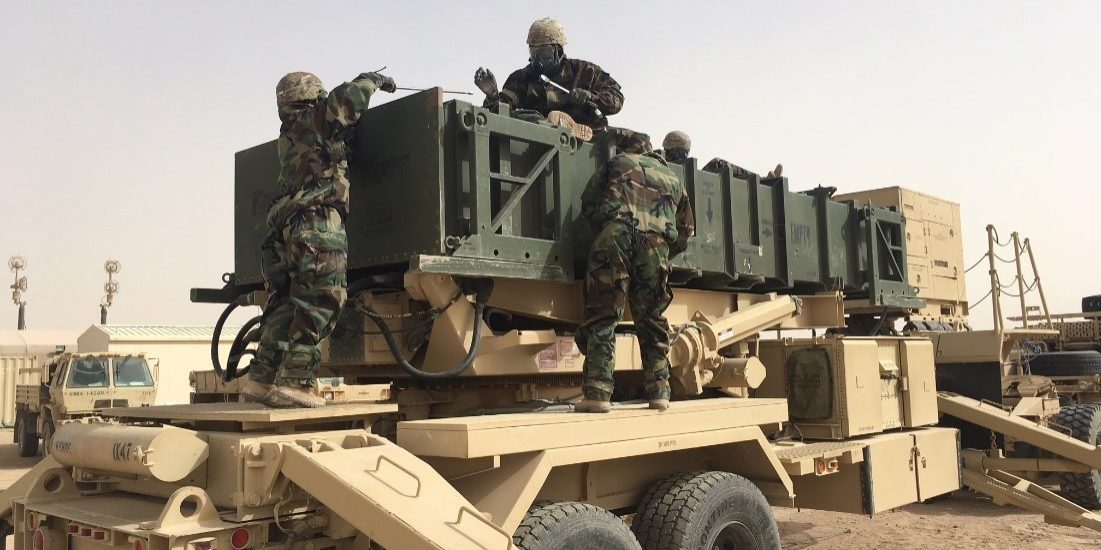
The security architecture of the Gulf Cooperation Council (GCC) states relies heavily on sophisticated air defense networks, including the Patriot missile systems operated by both Kuwait and Bahrain. To date, neither the Kuwaiti Ministry of Defense nor the Bahraini government has issued an official confirmation of a direct kinetic strike or a successful interception of Iranian-launched projectiles on their soil in the context of recent escalations.
Evaluating Regional Security and Defense Posture
The geopolitical climate in the Middle East remains volatile, characterized by a complex network of alliances and historical frictions. According to data from the Center for Strategic and International Studies (CSIS), Iran maintains an extensive inventory of short- and medium-range ballistic missiles, alongside an advanced fleet of unmanned aerial vehicles (UAVs). These assets are frequently cited by regional analysts as primary tools for power projection.

However, the assertion that these assets have been deployed against the sovereign territory of Kuwait or Bahrain requires rigorous evidence. In standard geopolitical reporting, such an event would trigger immediate emergency sessions of the Gulf Cooperation Council. As of this writing, no such emergency protocols or public alerts have been initiated by the GCC secretariat. The absence of official casualty reports or damage assessments from government agencies in Manama or Kuwait City suggests that if such reports are circulating, they may be conflating broader regional military exercises with direct hostile engagement.
The Role of Intelligence and Verification
In the current information landscape, distinguishing between military posturing and active conflict is critical. U.S. intelligence agencies frequently monitor the Persian Gulf for signs of escalation, particularly given the proximity of the U.S. Fifth Fleet, headquartered in Bahrain. The U.S. Naval Forces Central Command maintains a constant watch on regional maritime and aerial traffic.

When claims of cross-border missile launches emerge, they are typically vetted through multiple channels, including satellite imagery, radar telemetry, and diplomatic channels. The lack of independent corroboration from international news agencies such as Reuters or the Associated Press—which maintain permanent bureaus in the region—further underscores the necessity of caution. Relying on unverified reports can exacerbate regional tensions and lead to miscalculations in an already fragile diplomatic environment.
Why Context Matters in Gulf Geopolitics
For observers of global affairs, it is essential to differentiate between threats, exercises, and actual combat. Iran has, in the past, utilized military drills to demonstrate its reach. These maneuvers often involve the launch of drones and missiles into designated maritime zones or open desert areas. Misinterpreting a domestic military exercise as an act of aggression against a neighbor is a common pitfall in international reporting.
Furthermore, the diplomatic ties between Iran and its neighbors have seen periodic shifts. While relations are often strained, there are established back-channels designed to prevent direct military confrontation. Any deviation from this status quo—such as a missile launch against a sovereign neighbor—would represent a significant shift in regional policy, likely resulting in immediate sanctions or a formal diplomatic response from the international community.
Looking Ahead: Monitoring Official Channels
Readers are encouraged to monitor the official websites of the Bahrain Ministry of Foreign Affairs and the Kuwait Ministry of Foreign Affairs for any authentic updates regarding national security threats.
The next major checkpoint for regional security will be the upcoming biannual GCC security summit, where member states are expected to review recent aerial activity and coordinate defense strategies. We invite our readers to participate in the conversation by sharing their perspectives on regional stability and subscribing to our newsletter for verified updates on global security trends. Your engagement helps ensure that we maintain the highest standards of accuracy and accountability in our reporting.
Worth a look