
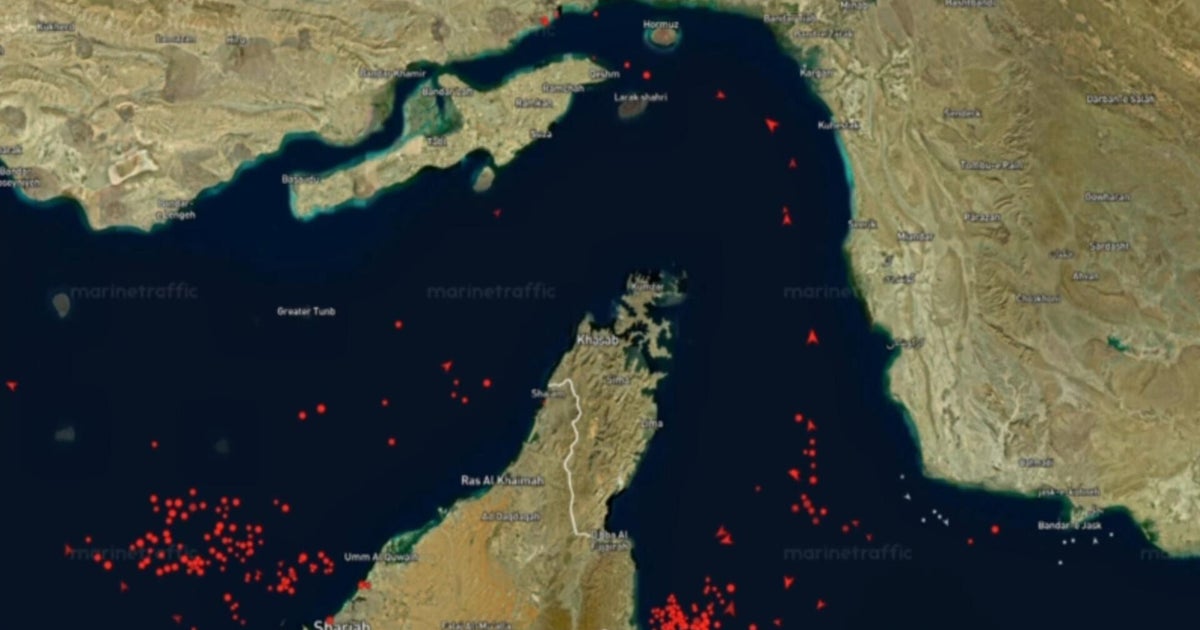
The geopolitical landscape of the Middle East has reached a critical inflection point as the U.S. Blockade of the Strait of Hormuz continues, creating immediate ripples across global energy markets and diplomatic relations. According to recent reports, the White House has confirmed that more than 100 empty oil tankers are currently heading toward U.S. Ports to load up on American crude oil as the blockade enters its second day according to White House statements.
The strategic maneuver comes amid soaring oil and gas prices and a volatile security environment in the Persian Gulf. The blockade is seen by some analysts as a decisive escalation in the ongoing confrontation between Washington and Tehran, with experts suggesting that the economic and political pressure on the Iranian regime is reaching a breaking point.
Jon Alterman, the director of the Center for Strategic and International Studies’ Middle East Program, has characterized the current state of affairs by stating that “the noose is getting tighter” on Iran via CSIS analysis. The blockade targets one of the world’s most vital maritime chokepoints, through which a significant portion of the world’s petroleum passes, effectively leveraging energy security as a tool of diplomatic and economic warfare.
Economic Pivot to American Crude
The immediate logistical response to the blockade is a visible shift in global shipping patterns. The White House’s report of over 100 tankers redirecting to U.S. Ports indicates a rapid pivot toward American energy exports to offset the disruption in the Strait of Hormuz as reported by Yahoo News. This surge in demand for U.S. Crude is a direct consequence of the “stranglehold” Iran has maintained on the strait, which has driven global fuel costs higher.

The impact is being felt most acutely by nations dependent on Middle Eastern oil. The United Kingdom, for instance, has faced significant challenges securing jet fuel due to the instability in the region. This energy insecurity has grow a central point of contention in the U.S. Administration’s communications with its allies.
Trump’s Strategic Shift in Responsibility
The current blockade follows a period of escalating threats and shifting rhetoric from the White House. On March 21, 2026, President Donald Trump issued a social media warning stating that if Iran did not “FULLY OPEN” the strait within 48 hours, the U.S. Would target the country’s power plants according to ABC News. While that deadline was extended twice to allow for ongoing negotiations, the administration’s tone has since evolved.
By late March, President Trump began suggesting that the responsibility for policing the Strait of Hormuz should not fall solely on the United States. In a phone call with ABC News Chief Washington Correspondent Jonathan Karl on March 31, 2026, Trump questioned why the U.S. Should bear the burden, stating, “I’m going to let the countries that aim for to buy oil, they can — they can police it themselves. Why should I do it for them? They weren’t there for me” via ABC News reporting.
The President has been particularly critical of allies who he believes have not sufficiently contributed to the effort to neutralize Iranian influence. In a social media post, Trump urged countries like the United Kingdom to “buy from the U.S.” and encouraged them to “build up some delayed courage, travel to the Strait, and just TAKE IT” as documented by ABC News. He further warned that the U.S. “won’t be there to support you anymore,” signaling a move toward a more transactional approach to regional security.
Analysis: The Geopolitical Impact of the Blockade
The blockade of the Strait of Hormuz is more than a tactical naval operation; it is a high-stakes gamble on the resilience of the Iranian regime. By restricting the flow of oil, the U.S. Aims to deplete Iran’s primary revenue stream, thereby limiting its ability to fund regional proxies and internal security apparatuses.
However, the strategy carries significant risks for the global economy. The “soaring” prices of oil and gas mentioned in recent reports highlight the volatility inherent in closing a primary global artery for energy. While the U.S. Possesses ample crude to supply its allies, the logistical strain of redirecting hundreds of tankers and the potential for a broader military conflict remain primary concerns for international observers.
Key Developments Timeline
| Date | Event | Outcome/Detail |
|---|---|---|
| March 21, 2026 | U.S. Ultimatum | Trump threatens power plant strikes if strait is not opened in 48 hours. |
| March 31, 2026 | Policy Shift | Trump suggests allies must “police it themselves” and buy U.S. Oil. |
| April 14-15, 2026 | Active Blockade | U.S. Blockade continues for a second day; 100+ tankers head to U.S. Ports. |
As the situation develops, the international community is watching to spot if the “tightening noose” will lead to a diplomatic breakthrough or a direct military engagement. The administration’s insistence that allies “fight for yourself” suggests a fundamental shift in the U.S. Security umbrella in the Middle East.
World Today Journal will continue to monitor official updates from the White House and the Department of Defense regarding the status of the blockade and any further movements of oil tankers in the region.
Do you believe the U.S. Should lead the policing of the Strait of Hormuz, or should the responsibility shift to the nations most dependent on the oil? Share your thoughts in the comments below.