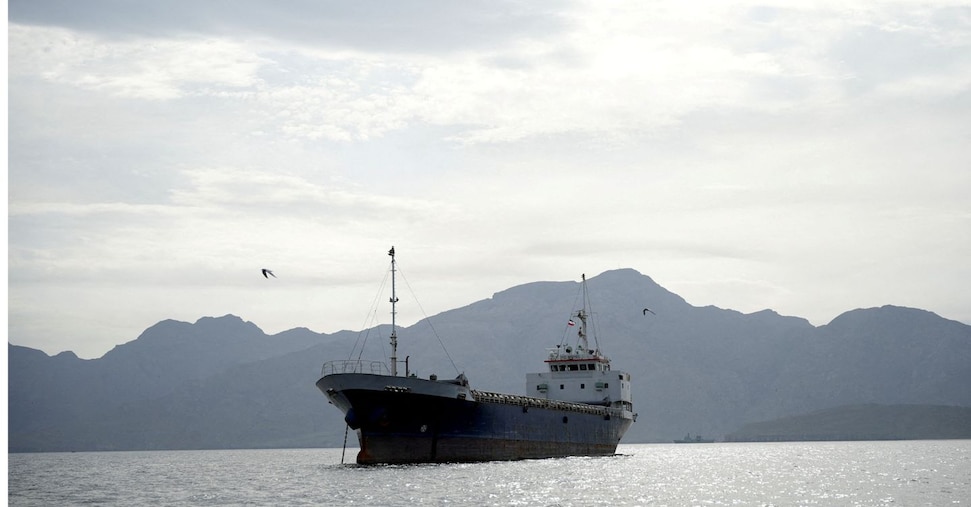
Tensions in the Strait of Hormuz have escalated following reports that eight oil tankers with ties to Iran were forced to reverse their course. This maritime maneuver, occurring starting April 13, underscores the volatile nature of one of the world’s most critical energy chokepoints, where geopolitical friction frequently translates into direct disruptions of global oil shipments.
The incident, first reported by the Wall Street Journal, highlights the ongoing pressure exerted by U.S. Authorities on vessels linked to Iranian oil exports. By compelling these ships to change direction, the U.S. Continues to signal its commitment to restricting the flow of Iranian petroleum into the global market, often citing sanctions and security concerns as the primary drivers for such interventions.
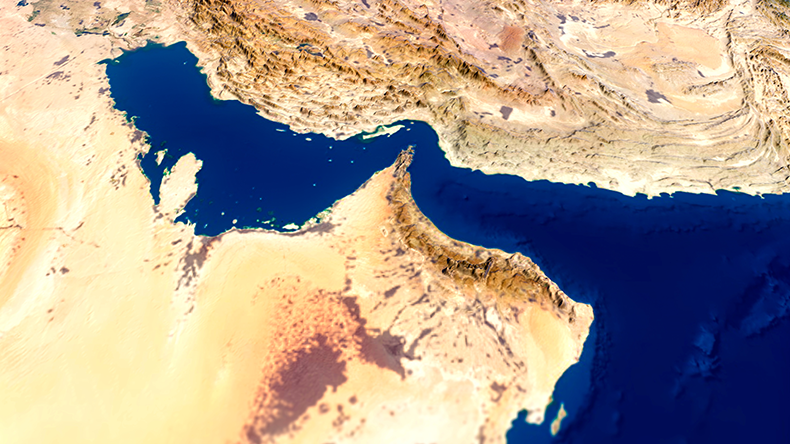
For the global energy market, the Strait of Hormuz remains a primary vulnerability. Any perceived instability in the region—whether through the diversion of tankers or more direct confrontations—can lead to immediate volatility in crude prices. The strategic importance of this narrow waterway means that even localized incidents involving a handful of vessels can have ripple effects across international energy indices.
The Diversion of Iranian-Linked Tankers
According to reports from the Wall Street Journal, eight oil tankers linked to Iran were forced to invert their routes beginning on April 13 via Agenzia Nova. This action represents a direct disruption of the planned transit for these vessels, forcing them to deviate from their intended destinations.
Such maneuvers are often part of a broader strategy to enforce sanctions. When the U.S. Identifies vessels carrying Iranian oil or operating under Iranian influence, it may use a combination of diplomatic pressure, legal threats, and naval presence to discourage the delivery of these cargoes to their final ports. The forced reversal of eight tankers suggests a coordinated effort to block specific shipments from reaching their targets.
Geopolitical Implications and Energy Pricing
The ability of Iran to influence traffic in the Strait of Hormuz has led some analysts to describe the region as a “toll booth” for global energy. This dynamic creates a precarious environment where the threat of closure or restricted access can “hardwire” higher energy prices into the global economy via Reuters.
When shipping routes are disrupted, insurance premiums for tankers typically rise, and the perceived risk of supply shortages can drive up the cost of crude oil. This “risk premium” is often added to the price of a barrel of oil long before any actual shortage occurs, simply because the market anticipates potential instability in the Hormuz region.
political rhetoric surrounding these maritime events often adds to the tension. In related contexts, Donald Trump has previously referenced oil ships moving through the Strait of Hormuz as part of the complex “presents” or diplomatic exchanges involving Iran via The Hill.
Key Takeaways of the Hormuz Incident
- Vessel Impact: Eight tankers linked to Iran were forced to reverse their route starting April 13.
- Strategic Chokepoint: The Strait of Hormuz remains a critical point of failure for global energy security.
- Economic Effect: Disruptions in this region are linked to increased energy prices and market volatility.
- Enforcement: The incident reflects the ongoing use of maritime pressure to enforce sanctions against Iranian oil.
As the international community monitors the situation, the focus remains on whether these diversions will lead to further diplomatic escalations or if they will remain isolated maritime enforcement actions. For now, the movement of these eight tankers serves as a reminder of how closely global energy prices are tied to the geopolitical stability of the Persian Gulf.
Industry observers and policymakers continue to watch for official updates regarding the status of the diverted vessels and any formal responses from the Iranian government concerning the forced route changes.
We invite our readers to share their perspectives on the impact of maritime sanctions on global energy stability in the comments below.
Worth a look