Political caricature has long served as a vital barometer for the American public mood, and the past week has provided a wealth of source material for editorial cartoonists nationwide. As Donald Trump continues to dominate news cycles, artists are increasingly focusing on the intersection of his legal challenges, campaign rhetoric, and shifting public perception. These visual commentaries offer a unique, often biting lens through which to view current events in Washington and across the campaign trail.
The role of satire in American democracy remains significant, acting as both a critique of power and a reflection of societal frustration. According to the Associated Press, the recent conviction of the former president in New York has fundamentally altered the discourse, prompting a wave of creative responses from cartoonists who seek to distill complex legal developments into singular, impactful images. This week’s collection of cartoons captures a sense of exhaustion and skepticism, highlighting the “crazy week” often cited by observers of the current political landscape.
Satire as Political Commentary
Political cartoons function as a shorthand for the electorate, simplifying dense policy debates and legal proceedings into accessible imagery. This week, artists have largely focused on the juxtaposition of traditional campaign norms with the reality of criminal proceedings. The U.S. Senate and the broader judicial system remain frequent subjects, as cartoonists grapple with how to depict a candidate who is simultaneously managing a high-profile legal defense and a presidential bid.
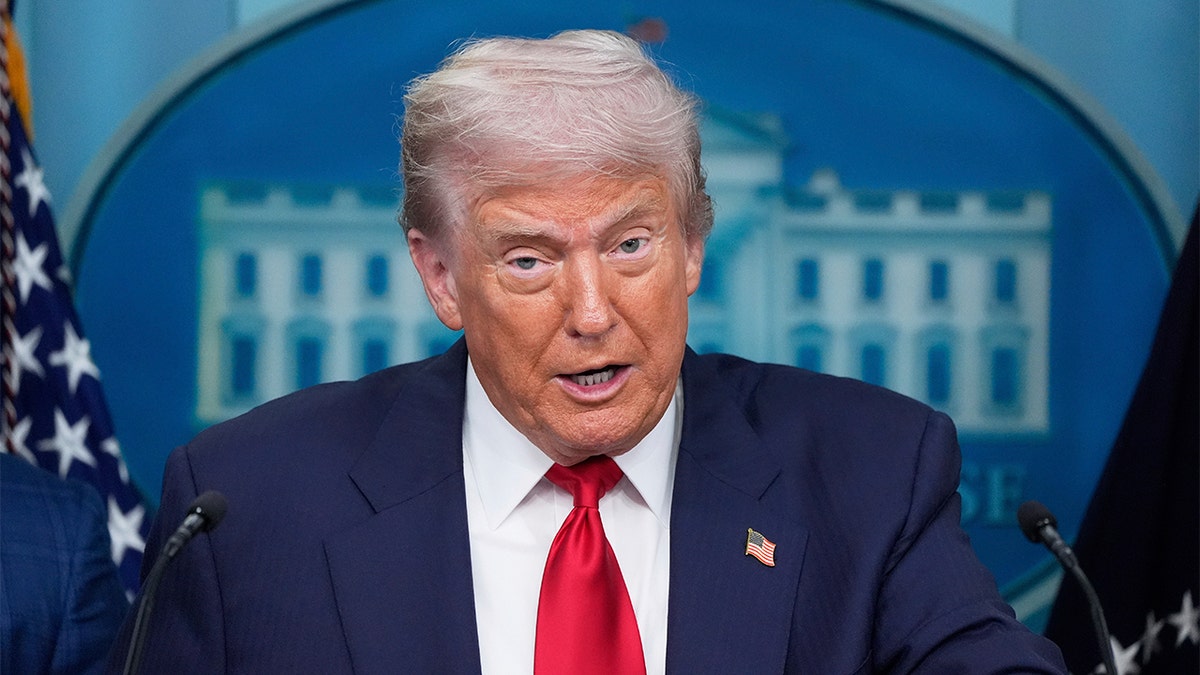
The effectiveness of these caricatures often depends on their ability to capture a specific “vibe” or national sentiment. When public trust in institutions fluctuates, as tracked by the Pew Research Center, editorial cartoonists often amplify the disconnect between politicians and the average voter. By exaggerating physical traits or placing figures in absurd scenarios, these artists strip away the veneer of political branding, forcing a more direct engagement with the underlying issues.
The Impact of Visual Rhetoric
Beyond traditional print media, digital platforms have accelerated the spread of political memes, creating a decentralized form of satire. Unlike the editorial cartoon, which is typically the work of a single professional, memes are often collaborative and anonymous. This shift has democratized political commentary, though it also complicates the verification of information. As reported by the Reuters Institute, the rise of generative AI tools has further blurred the lines between authentic creative expression and deceptive content, leading to heightened scrutiny of visual media in the 2024 election cycle.
The visual language used to depict Donald Trump often employs recurring symbols—the oversized tie, the specific hair styling, or the backdrop of a courtroom. These elements have become shorthand for a narrative of disruption. When cartoonists depict these symbols, they are not merely drawing a likeness; they are invoking a set of shared understandings about the candidate’s political identity and the controversies surrounding his tenure.
What Happens Next
The trajectory of political satire will likely remain tethered to the legal calendar. With additional court dates and campaign milestones on the horizon, cartoonists are preparing for a sustained period of intense output. The next major checkpoint for observers of the judiciary is the ongoing series of pre-trial motions and appellate filings in various jurisdictions. According to the Department of Justice, tracking these official court documents is the most accurate way to understand the legal reality, which continues to provide the bedrock for political commentary.
As the election approaches, the intensity of these visual critiques is expected to increase. Readers interested in the evolution of these narratives can follow updates from major news organizations and official government portals to distinguish between the satire they see and the legal realities they cover. We encourage readers to share their thoughts on how these visual mediums influence their own perspectives on the current election cycle in the comments below.
Worth a look