
As geopolitical tensions in the Middle East reach a critical juncture, international attention has shifted toward the Strait of Hormuz, a vital maritime artery for global energy supplies. Recent diplomatic exchanges have highlighted a growing divide between Washington and Tehran, prompting discussions regarding contingency measures should the waterway face a prolonged closure. For global markets and international stakeholders, the prospect of a military “Plan B” to ensure freedom of navigation represents a significant escalation in the ongoing regional standoff.
The Strait of Hormuz serves as one of the world’s most significant “chokepoints,” through which a substantial portion of the world’s seaborne oil passes daily. The current discourse surrounding a potential military response underscores the complexity of balancing energy security with the desire to avoid broader conflict. While diplomatic channels remain open, the stated position of U.S. Officials emphasizes that the status quo regarding access to international waters must be maintained, setting the stage for a tense period of maritime posturing.
The Strategic Importance of the Strait of Hormuz
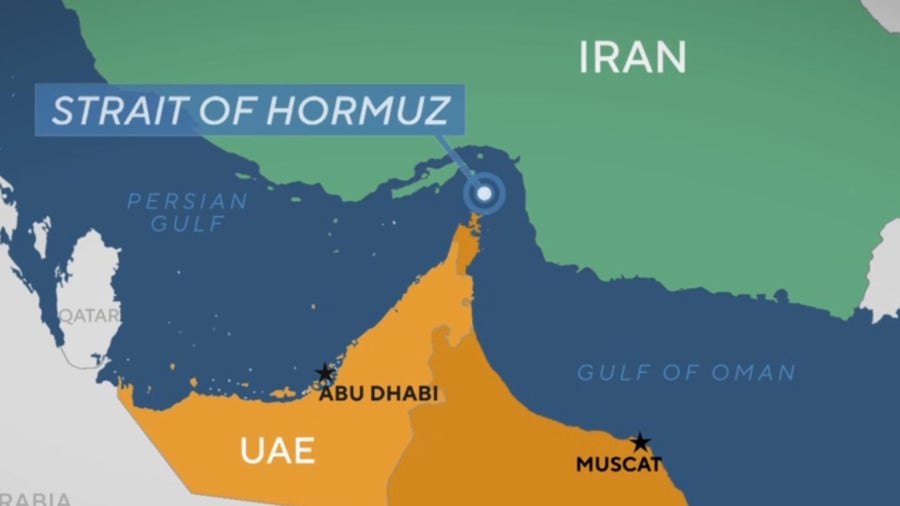
The Strait of Hormuz is essential for the global economy, connecting the Persian Gulf with the Gulf of Oman and the Arabian Sea. Any disruption in this narrow passage—which at its narrowest point is only 21 miles wide—carries immediate implications for energy prices and trade stability. The United States has historically maintained a naval presence in the region to uphold the principle of freedom of navigation, a stance that remains a cornerstone of its maritime strategy in the Middle East.
Recent reports indicate that Iranian officials have described the differences between their position and that of the United States as “profound,” casting doubt on the possibility of a rapid diplomatic resolution. This assessment has fueled speculation about the necessity of a multifaceted approach to regional security. While the term “Plan B” has been referenced in various international security discussions, it generally refers to a shift from purely diplomatic engagement toward more robust military or coalition-based enforcement mechanisms to keep trade routes open.
International Perspectives on Maritime Security
The challenge of securing the Strait of Hormuz has prompted varied responses from international powers. While the United States continues to emphasize the need for a contingency plan, other nations have expressed caution regarding the formal involvement of broader military alliances, such as NATO, in regional maritime missions. The reluctance of some European partners to escalate military involvement reflects a broader desire to prioritize de-escalation strategies over direct confrontation.
The diplomatic landscape remains fluid, with multiple stakeholders assessing the risks of a potential blockade. The emphasis placed by U.S. Policymakers on the necessity of a “Plan B” suggests that the administration is preparing for a scenario in which current diplomatic efforts fail to secure guarantees for unhindered passage. However, the exact nature of these contingency measures remains a subject of intense analysis by military experts, who note that while threats to close the strait are a recurring feature of regional rhetoric, the execution of such a blockade would carry extreme economic and political costs for all parties involved.
What Lies Ahead: Monitoring the Situation
As of late May 2026, the situation in the Strait of Hormuz remains a developing topic. The international community is closely monitoring statements from both Washington and Tehran for any shifts in policy or signs of a breakthrough in negotiations. Observers are particularly focused on the following areas:
- Diplomatic Channels: Ongoing efforts by mediators to bridge the gap between U.S. And Iranian positions.
- Maritime Traffic: Real-time reporting on the flow of commercial vessels through the strait to detect any changes in operational status.
- Coalition Building: Potential discussions regarding the formation of international maritime security task forces to safeguard trade.
There are no immediate, confirmed dates for a new round of high-level negotiations, but the global community continues to watch for official updates from government sources. As the situation evolves, maintaining transparency and relying on verified reporting from official government channels and established international news organizations will be essential for understanding the trajectory of this standoff.
We will continue to provide updates as more information becomes available. We encourage our readers to share their perspectives in the comments section below and stay informed through our ongoing coverage of international affairs.
Related reading
- South Korea’s Democratic Party Leadership Race Heats Up with Jeju and Incheon Primaries
- Houston 10-12 November: Fondazione Giacomo Brodolini Mission
- How Oman Became the Broker Behind the Latest Hormuz Deal (daybreakwire.com)
- US Naval Blockade Stalls Iranian Oil Exports at Kharg Island (archyworldys.com)