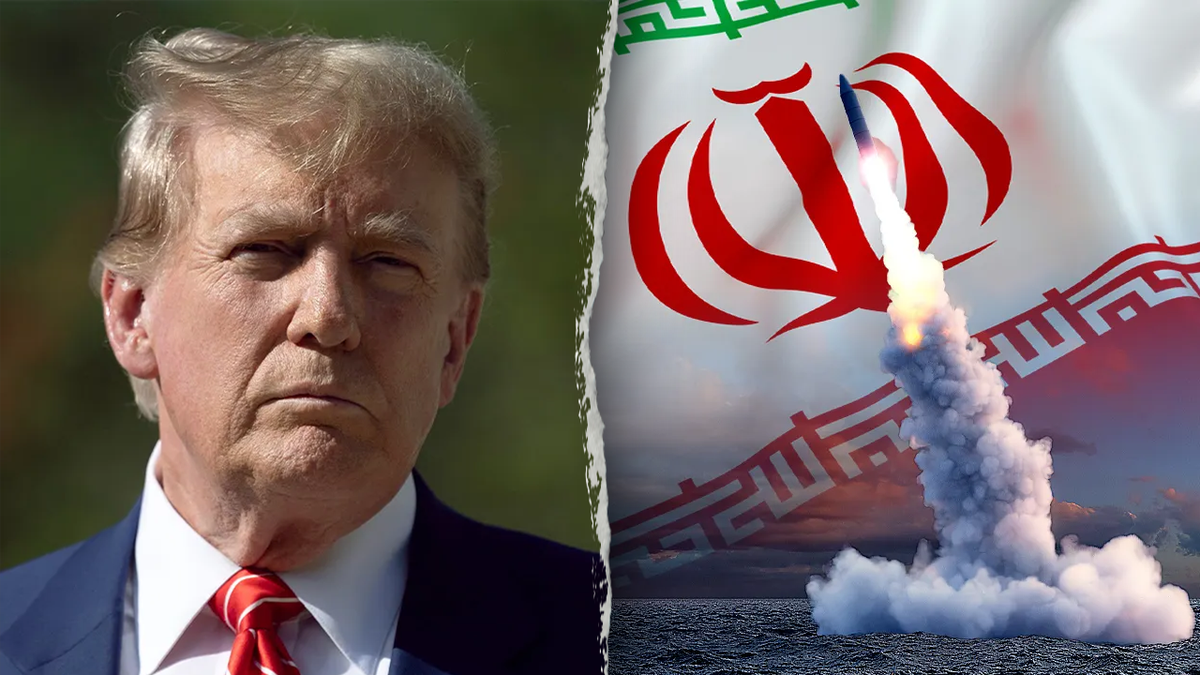
United States President Donald Trump stated on his social media platform, Truth Social, that Iran would agree to submit to extensive inspections of its nuclear program to ensure long-term “nuclear integrity.” This announcement follows a series of diplomatic discussions held in Switzerland, though the administration has not yet provided specific details regarding the terms of a potential agreement or the identities of the parties involved in the Swiss meetings.
The president’s assertion marks a significant, if currently unverified, development in the long-standing international efforts to curb Iran’s nuclear capabilities. While the administration frames this as a path toward transparency, international monitors and regional stakeholders continue to rely on the established framework of the International Atomic Energy Agency (IAEA) for verification. According to the IAEA’s official mandate, the agency remains the primary body responsible for conducting inspections and monitoring the implementation of nuclear-related commitments in Iran.
The Context of International Nuclear Oversight
The dialogue surrounding Iran’s nuclear program has been defined for years by the tension between international sanctions and the desire for a diplomatic resolution. The Joint Comprehensive Plan of Action (JCPOA), established in 2015, previously set the standard for inspection protocols, requiring Iran to limit its uranium enrichment in exchange for the lifting of economic sanctions. Following the U.S. withdrawal from the agreement in 2018, the regulatory environment shifted, leading to what the U.S. Department of State describes as a cycle of increased enrichment activities and inconsistent cooperation with international inspectors.
Any new proposal for “extensive inspections” would need to address the current limitations faced by IAEA personnel. As of their most recent quarterly updates, the IAEA has reported challenges in maintaining full continuity of knowledge regarding Iran’s centrifuge production and the manufacturing of components. For a new agreement to be considered binding or effective by the international community, it would typically require a formal, written framework that replaces or supplements the existing non-proliferation protocols.
Diplomatic Hurdles and Regional Stability
The mention of recent talks in Switzerland suggests a renewed attempt at back-channel or formal diplomacy. Switzerland has historically served as a neutral intermediary between the United States and Iran, often facilitating the exchange of messages or the handling of consular issues. However, the lack of an official communique from the Swiss Federal Department of Foreign Affairs regarding these specific talks leaves the scope and participants of these discussions open to interpretation.

Regional powers, including Israel and Saudi Arabia, have historically viewed any deal with Iran with skepticism, citing concerns over the program’s potential military dimensions. The Israeli government has consistently maintained that any agreement must be verified through “anytime, anywhere” inspections to prevent the clandestine development of nuclear weapons. Whether the “extensive inspections” mentioned by the U.S. President meet these criteria remains a central question for geopolitical analysts and regional security experts.
Understanding the Mechanics of Inspection Protocols
For an inspection regime to be considered “extensive,” it generally involves more than just periodic site visits. Standard IAEA safeguards, as defined under the IAEA Safeguards Agreements, include:
- Continuous remote monitoring of nuclear facilities via cameras and electronic seals.
- Unannounced inspections to verify the inventory of nuclear material.
- Environmental sampling to detect traces of undeclared nuclear activities.
- Access to supply chains for dual-use equipment that could be repurposed for nuclear enrichment.
The effectiveness of such measures depends entirely on the degree of access granted by the host nation. Past disputes have frequently centered on Iran’s refusal to grant inspectors access to specific military sites, which Tehran argues are unrelated to its civilian nuclear program. Any new agreement would be judged by its ability to resolve these specific access issues.
Next Steps in the Diplomatic Process
As of this writing, there is no scheduled date for a formal signing of a new agreement, nor has there been a confirmation of the terms from Iranian officials. The next confirmed checkpoint for international oversight will be the upcoming meeting of the IAEA Board of Governors, where member states will likely discuss the current state of verification in Iran and receive updates on the agency’s monitoring activities. Interested parties can monitor official updates through the IAEA News Center.
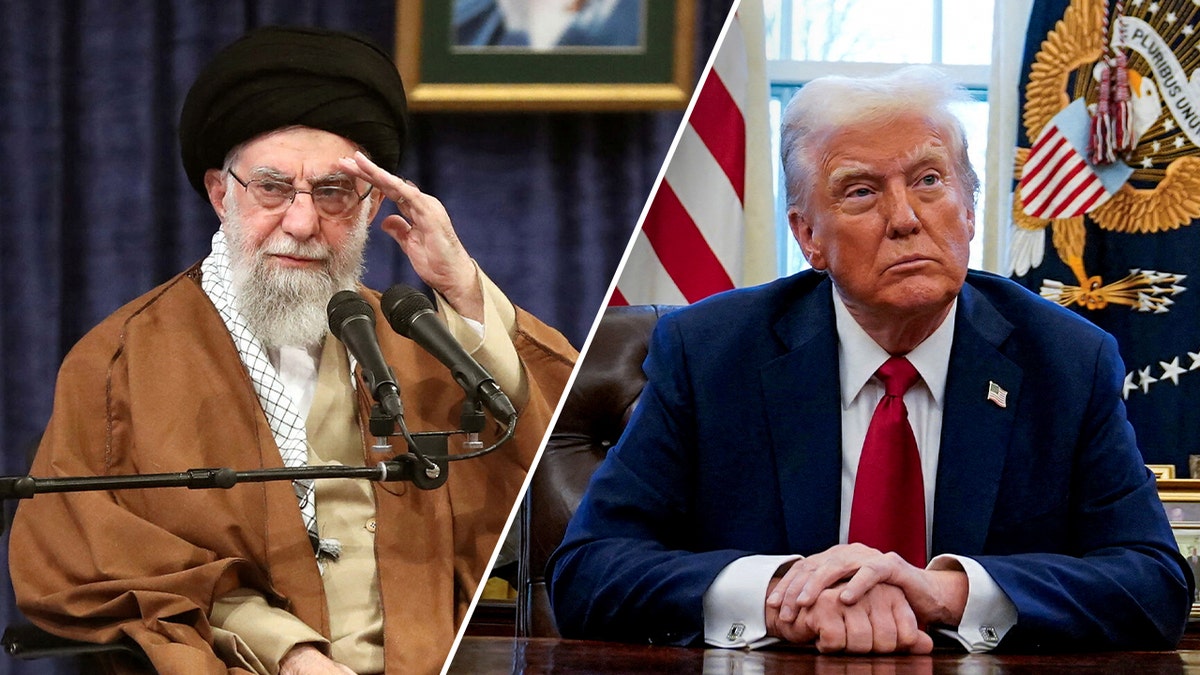
The situation remains fluid, and international markets, particularly those sensitive to energy prices and Middle Eastern stability, are expected to react to any official developments regarding the potential for a new nuclear accord. We will continue to provide updates as verified information becomes available. We invite our readers to share their insights or questions in the comments section below.
Related reading