
United States military forces have conducted a targeted aerial operation in Venezuela, resulting in the death of a senior leader associated with the Tren de Aragua criminal organization. The operation, aimed at dismantling the leadership structure of the transnational group, was confirmed by U.S. officials following reports of an airstrike in the region.
The individual targeted has been described by U.S. authorities as a central figure in the expansion of the organization’s illicit activities across the Western Hemisphere. The U.S. Department of Justice has previously designated the Tren de Aragua as a significant transnational criminal organization, citing its involvement in human trafficking, extortion, and narcotics distribution, according to official Department of Justice indictments.
The Operational Context of the Strike
The strike represents a shift in U.S. strategy regarding the suppression of transnational criminal groups operating outside of formal U.S. borders. According to reports from the U.S. Department of State, the government has increasingly utilized its Transnational Organized Crime Rewards Program to target leaders of groups that pose a direct threat to American national security and regional stability. This specific operation was characterized by high-level intelligence coordination, focusing on neutralizing key command-and-control nodes within the organization’s hierarchy.
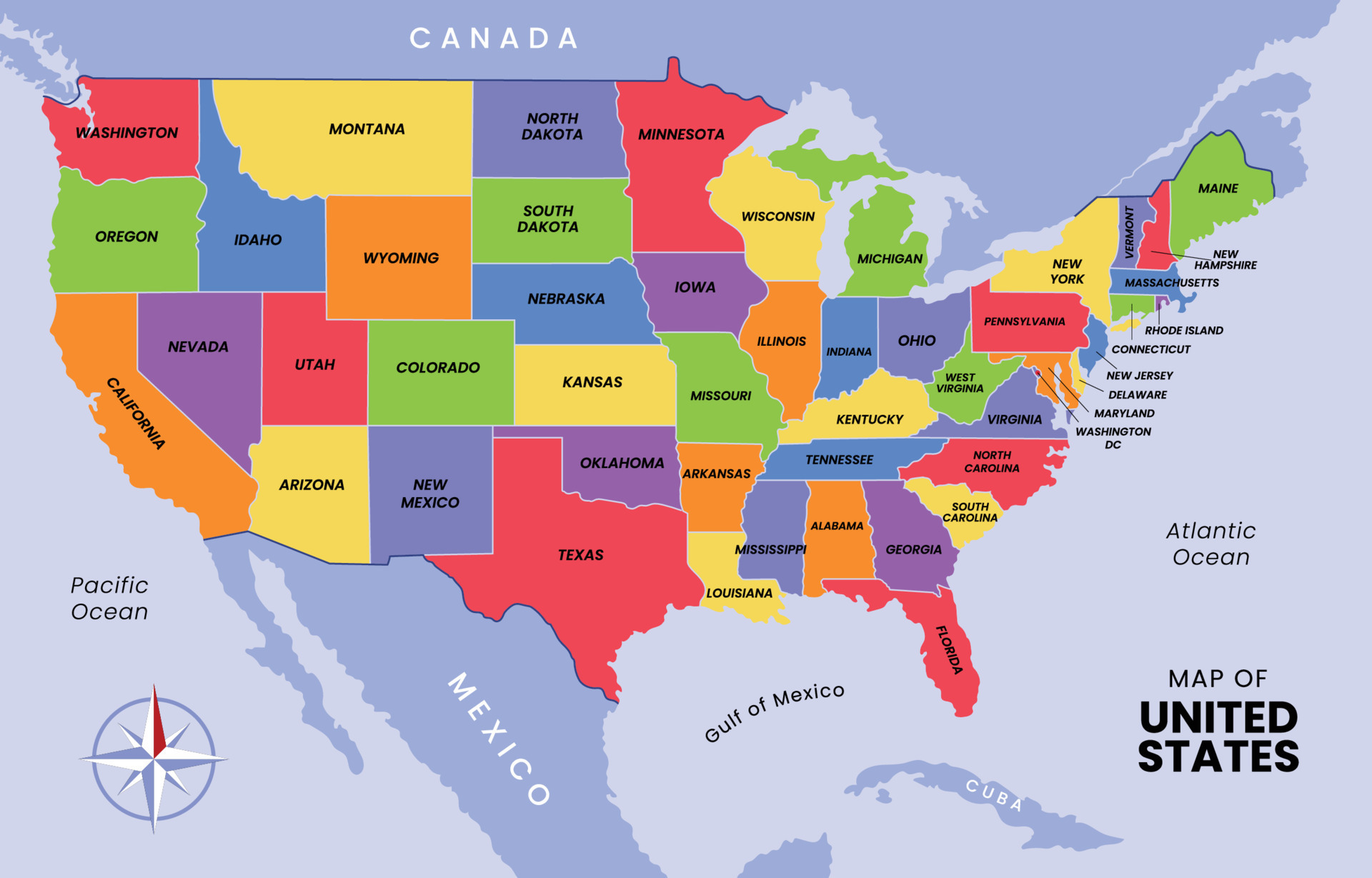
The Tren de Aragua, originally formed within the Venezuelan prison system, has expanded its reach into Colombia, Chile, Peru, and the United States over the past decade. The Congressional Research Service has documented the group’s evolution from a local gang into a sophisticated criminal network. By targeting the leadership, U.S. policy aims to disrupt the group’s ability to coordinate large-scale human smuggling operations that have contributed to regional migration challenges.
Legal and Diplomatic Implications
The use of aerial assets in foreign territory against non-state actors remains a complex issue under international law. Legal experts note that such actions are typically framed within the context of self-defense or the pursuit of individuals who have been formally charged with crimes against U.S. citizens. The legal frameworks governing these engagements often rely on executive authorities that allow for the targeting of transnational criminal entities identified as security threats.
Diplomatically, the operation marks a significant point of tension between Washington and Caracas. The two nations have maintained limited formal diplomatic ties for several years, with the U.S. government having closed its embassy in Caracas in 2019, as noted in records from the U.S. Department of State. The Venezuelan government has historically condemned U.S. military or intelligence operations within its borders as violations of national sovereignty, though official statements regarding this specific incident remain ongoing.
What Happens Next for Regional Security
The immediate aftermath of the strike will likely involve a period of leadership transition within the Tren de Aragua. Historically, the removal of top-tier leadership in such organizations often triggers internal power struggles, which can lead to increased volatility in the territories where they operate. Regional law enforcement agencies, including those in neighboring Colombia and Brazil, are currently on high alert for potential retaliatory actions or shifts in criminal control, according to regional security briefings published by the InSight Crime foundation.

For the United States, the focus remains on the ongoing legal processes. Multiple federal indictments remain open against other high-ranking members of the organization. The Department of Justice continues to coordinate with international partners to track assets and identify remaining leadership cells. Further updates are expected through official briefings from the Department of Justice and the Department of Homeland Security as the investigation proceeds.
Readers are encouraged to monitor official government press releases for verified updates regarding this ongoing security matter. Share your thoughts or questions in the comments section below to join the discussion on regional policy and security.
Worth a look