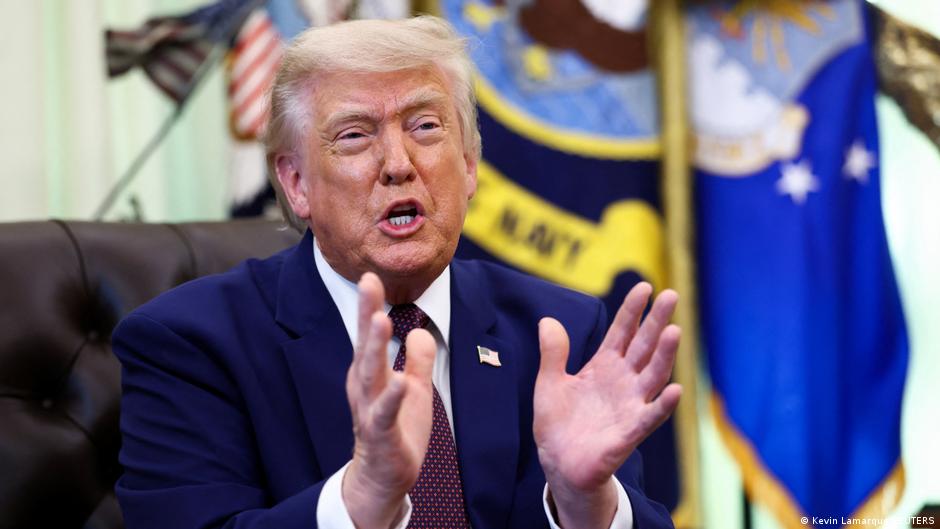
Donald Trump granted pardons to 11 individuals, a group that included several people convicted of Clean Air Act violations and at least one prominent political donor. The clemency actions drew significant attention for the inclusion of individuals prosecuted for modifying vehicle emissions systems, a practice colloquially referred to as “fixing their car” by supporters of the pardoned, though federal regulators classify these actions as illegal tampering under the Clean Air Act, according to records from the Environmental Protection Agency.
The list of those granted executive clemency featured a mix of individuals convicted of environmental crimes and others involved in unrelated federal cases. Among the beneficiaries were six individuals who had been prosecuted for their roles in businesses that sold “defeat devices”—aftermarket parts designed to bypass vehicle emissions controls. These devices allow vehicles to emit pollutants at levels far exceeding federal standards, a direct violation of the Clean Air Act (42 U.S.C. § 7522), which prohibits the tampering of motor vehicle emissions systems.
Environmental Violations and Legal Precedent
The decision to pardon individuals convicted of environmental crimes sparked debate regarding federal enforcement of emissions standards. Prosecutors had argued that the sale of these devices undermined national efforts to reduce air pollution and public health risks associated with nitrogen oxides and particulate matter.

Supporters of the pardoned individuals, however, framed the prosecutions as an overreach of federal regulatory power. In statements released at the time of the announcement, the White House characterized the actions as targeting small business owners who were unfairly penalized for modifications that customers requested. This perspective contrasted sharply with the stance of environmental advocacy groups, who viewed the pardons as a setback for climate policy and public health.
Political Donors and the Scope of Clemency
Beyond the environmental cases, the list of 11 individuals included high-profile figures and political donors, a common feature of presidential pardons that often invites scrutiny regarding the influence of campaign contributions. Broidy’s case involved an illegal lobbying campaign to influence the Trump administration on behalf of Chinese and Malaysian interests.
The exercise of the pardon power is a broad executive authority granted by Article II, Section 2 of the U.S. Constitution, which allows the president to grant reprieves and pardons for offenses against the United States, except in cases of impeachment. While the power is nearly absolute, its use in the final days of an administration often triggers intense public and legislative discussion about the balance between mercy and the integrity of the judicial process.
The Impact on Federal Enforcement
Legal experts have pointed out that while these pardons negated the criminal penalties for the individuals involved, they do not necessarily set a legal precedent that invalidates the underlying statutes. The Clean Air Act remains the primary federal law governing vehicle emissions, and the EPA continues to pursue civil and criminal enforcement actions against companies and individuals involved in the sale of defeat devices, as outlined in the agency’s National Compliance Initiative.

For the individuals pardoned, the action effectively cleared their criminal records, restoring rights such as the ability to hold certain professional licenses and the restoration of voting rights in states where they had been stripped. However, the move has left a complex legacy in the realm of environmental law, as agencies continue to grapple with the tension between individual business practices and collective environmental health standards.
Readers interested in following ongoing developments regarding federal environmental enforcement or future clemency announcements can monitor the Office of the Pardon Attorney website for official documentation and filings. We invite readers to share their perspectives on the balance of executive authority and environmental protection in the comments section below.