
The U.S. National Highway Traffic Safety Administration (NHTSA) has launched a formal investigation into a fatal accident involving a Tesla vehicle that crashed into a private residence in Texas. The federal probe, initiated by the agency’s Office of Defects Investigation, seeks to determine whether the vehicle’s automated systems played a role in the incident or if mechanical failure contributed to the collision, according to official regulatory filings and documentation maintained by the agency.
This investigation marks a significant step in ongoing federal oversight regarding advanced driver-assistance systems. While Tesla has consistently maintained that its vehicles are among the safest on the road, the NHTSA has repeatedly scrutinized the performance of Autopilot and Full Self-Driving (FSD) software in various real-world scenarios. In this specific Texas case, the agency is analyzing data logs and crash site evidence to ascertain the operational state of the vehicle at the time of impact.
Scope of the Federal Investigation
The NHTSA investigation focuses on the intersection of vehicle automation and human driver interaction. According to the NHTSA’s established protocols for defect investigations, the agency is evaluating whether the Tesla’s software failed to correctly identify the residential structure or if the driver’s engagement with the vehicle’s safety features was compromised. The process typically involves a multi-stage review, beginning with a preliminary evaluation to determine if a formal safety recall is warranted.
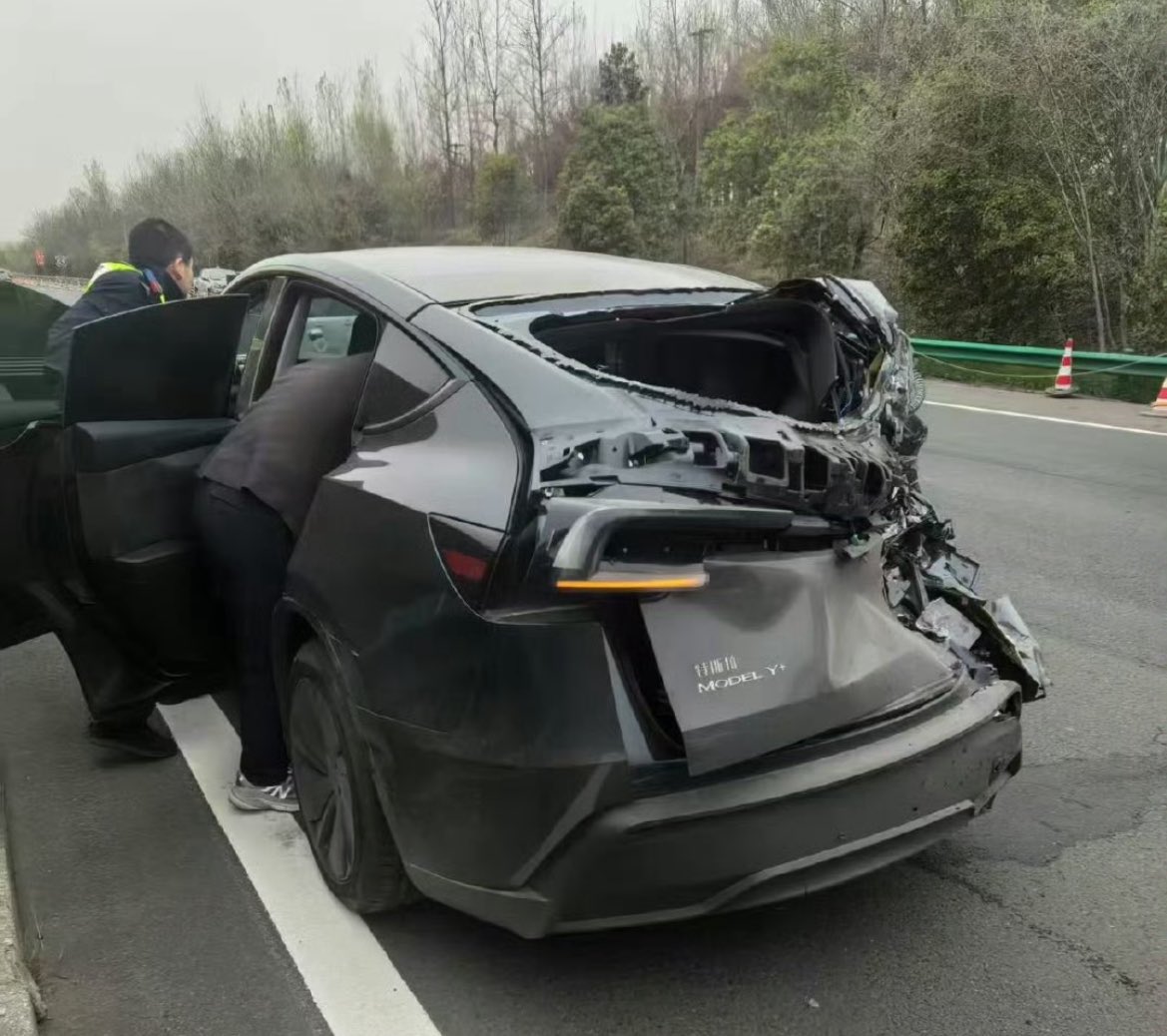
Investigators are currently reviewing crash data retrieved from the vehicle’s Event Data Recorder (EDR). This information provides a technical snapshot of the seconds preceding the crash, including steering inputs, brake application, and the status of automated driving features. The agency has not yet released a final report, as the investigation remains in the information-gathering phase. Such inquiries can span several months, depending on the complexity of the digital forensics required to reconstruct the event.
Context of Tesla Safety Oversight
This incident occurs against a backdrop of increasing regulatory pressure on electric vehicle manufacturers. The NHTSA has previously opened several investigations into Tesla’s Autopilot system, specifically looking at how the software detects emergency vehicles and stationary objects on public roads. The agency’s broader objective is to mandate higher standards for driver monitoring systems to ensure that operators remain attentive even when using partial automation.
Industry analysts note that while Tesla’s software utilizes sophisticated camera-based vision systems, environmental factors—such as lighting conditions or sensor obstruction—can influence performance. The current Texas investigation will likely examine whether the vehicle’s perception system was functioning within its design parameters when it deviated from the roadway and struck the home. Tesla has historically cooperated with these federal inquiries, providing necessary vehicle data to assist in the agency’s safety assessments.
What Happens Next in the Review Process
Following the collection of evidence, the NHTSA will issue a findings report. If the agency concludes that a design or manufacturing defect exists, it has the legal authority to request a voluntary recall from the manufacturer. If the manufacturer refuses, the agency can proceed with a formal order to rectify the issue, as outlined under the National Traffic and Motor Vehicle Safety Act.
For affected parties and the general public, the NHTSA maintains a public database where updates on active investigations are posted. Owners of Tesla vehicles can check their specific Vehicle Identification Number (VIN) against the agency’s records to see if their model is subject to any active safety advisories or recall notices. The next milestone in this investigation will be the publication of a preliminary evaluation summary, which will detail the agency’s initial technical findings and clarify whether the scope of the probe needs to be expanded to other vehicle configurations or software versions.
As this investigation proceeds, we will continue to monitor official filings from the Department of Transportation. Readers are encouraged to share their thoughts on the evolution of vehicle automation and federal oversight in the comments section below.
Related reading