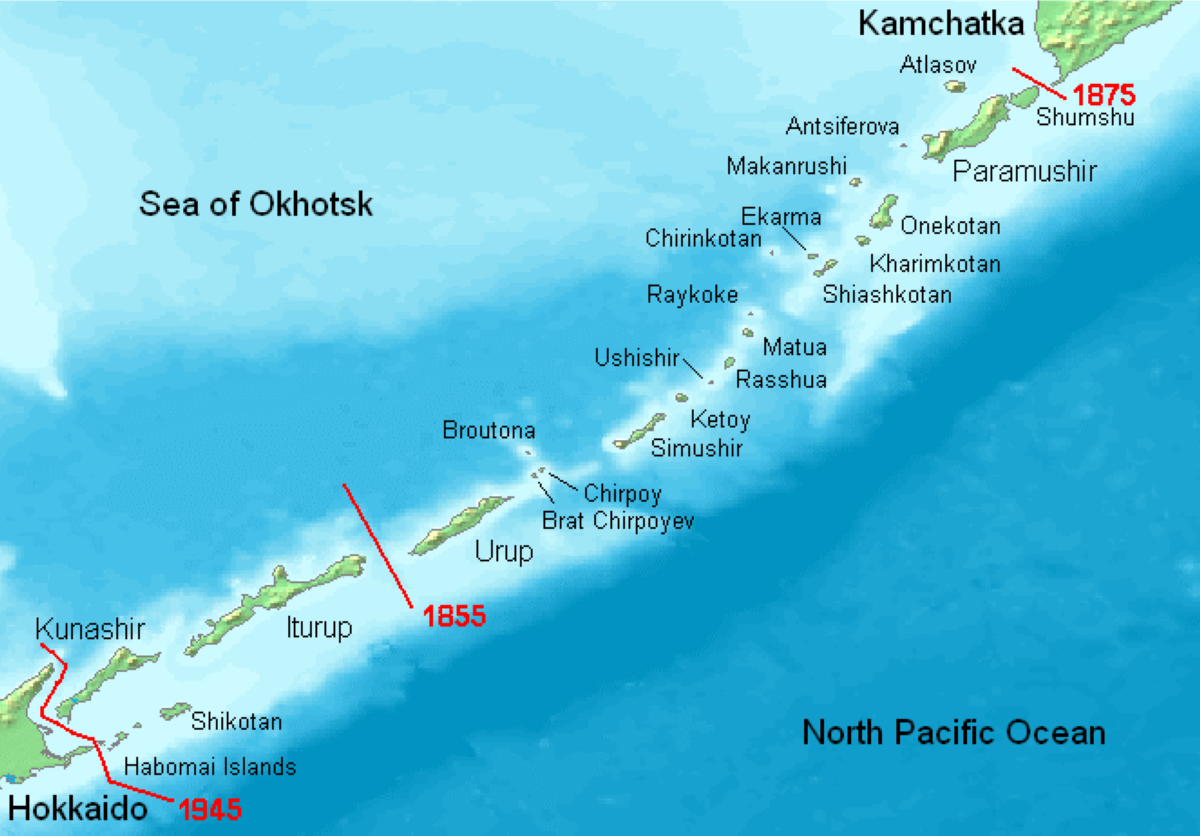
The United States has reaffirmed its formal recognition of Japanese sovereignty over the disputed southern Kuril Islands, known in Japan as the Northern Territories, following a historic presidential visit that triggered swift diplomatic friction in East Asia. According to reports from the Agence France-Presse, United States Ambassador to Japan George Glass stated on the social media platform X that Washington remains steadfast in its support of its primary regional ally and its longstanding recognition of Japanese claims over the archipelago.
This diplomatic clarification arrived as the first major American response to Russian President Vladimir Putin’s visit to Iturup Island. The trip marked the first time a sitting Russian head of state has personally traveled to the contested island chain, instantly drawing a sharp formal protest from the government in Tokyo and underscoring the deep geopolitical fault lines persisting since the end of the Second World War.
Washington’s stance is not entirely new, but rather a reiteration of a policy position held since the 1950s. Former United States Ambassador to Japan Rahm Emanuel previously underscored this framework on February 7, 2022, during Japan’s designated Northern Territories Day, affirming that the United States has long backed Tokyo’s sovereignty claims regarding the four disputed islands.
Tokyo Lodges Sharp Protests Against the Presidential Visit
The diplomatic fallout in Japan was immediate and intense. Japanese Foreign Minister Toshimitsu Motegi summoned Russian Ambassador to Japan Nikolai Nozdrhev to deliver a strongly worded protest, urging the envoy to transmit Tokyo’s deep dissatisfaction directly to Moscow. In an official statement following the meeting, Motegi declared that the Northern Territories—including Iturup Island—constitute an inherent part of Japan from both a historical perspective and under international law, arguing that the presidential visit directly contradicts Tokyo’s firm and consistent position.
Prime Minister Sanae Takaichi added that the journey profoundly wounds the sentiments of the Japanese populace, calling the visit entirely unacceptable. She warned that the trip severely complicates any future efforts to restore normal diplomatic and bilateral relations with Moscow over the medium and long terms. The dispute centers on four specific island formations at the southern tip of the Kuril chain: Iturup, Kunashir, Shikotan, and the Habomai group.
The historical roots of the territorial conflict trace back to the closing days of the Second World War. On August 8, 1945, the Soviet Union declared war on Japan shortly after the atomic bombing of Hiroshima and six days prior to the war’s conclusion, subsequently seizing the islands. The ambiguous legal status was further complicated by the Yalta Conference in February 1945, where Allied leaders, including the United States and Great Britain, agreed that the Kuril Islands should be transferred to the Soviet Union in exchange for its entry into the war against Japan, though the exact geographic definition of the transfer remains a point of historical contention. To this day, Tokyo and Moscow have failed to sign a formal peace treaty ending their World War II hostilities.
Moscow Rejects Foreign Interference and Defends Sovereign Travel
The Russian government dismissed Tokyo’s diplomatic protests as entirely unjustified. According to reporting from Al Khaleej, Ambassador Nozdrhev informed the Japanese foreign ministry that the southern Kuril Islands are an integral and legally secure part of the Russian Federation, having been incorporated following the Second World War in strict accordance with international legal foundations. The Russian embassy maintained that a nation’s leader moving within domestic territory represents an internal sovereign decision that is not open to negotiation with foreign governments.
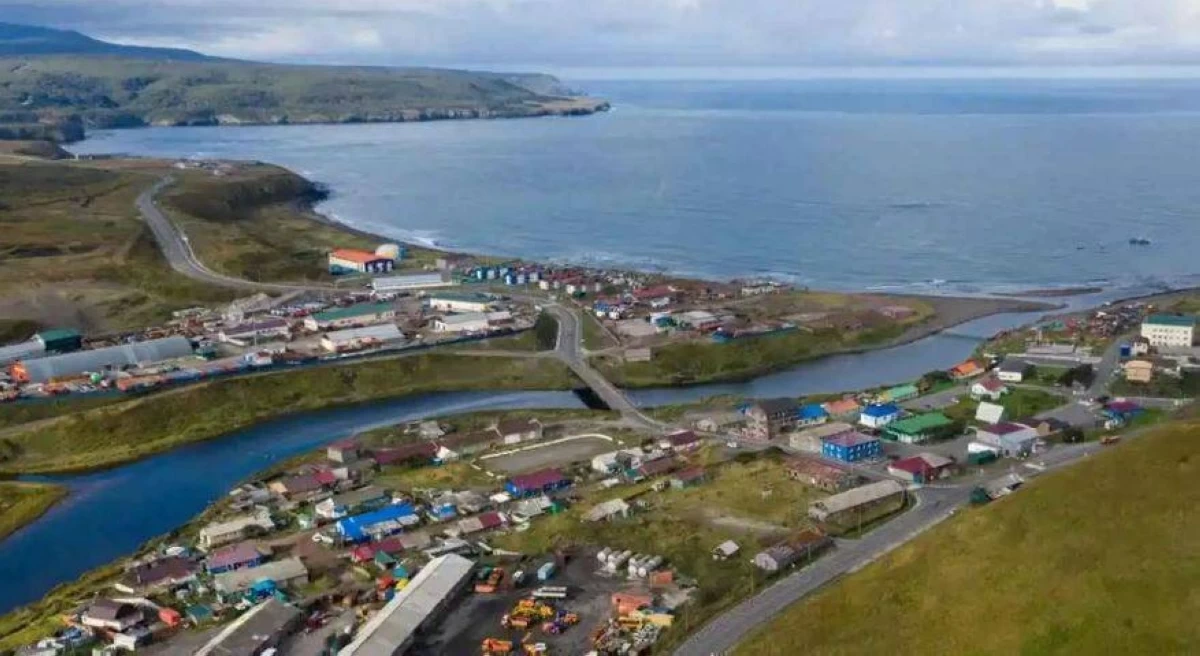
Russian Foreign Ministry Spokesperson Maria Zakharova echoed this firm position, stating that Russia’s sovereignty and legal jurisdiction over the southern Kuril chain are absolute and beyond question, while dismissing Tokyo’s protests as legally null. Over the decades, Moscow has significantly bolstered its military footprint across the 1,300-kilometer archipelago, which stretches between Japan’s Hokkaido prefecture and the Russian Kamchatka Peninsula. By fortifying the islands with Bastion coastal defense missile systems and Su-35 fighter jets, Russia maintains strict control over vital regional maritime chokepoints and holds a substantial strategic lever against Japanese territorial demands.
As diplomatic channels remain strained, officials in both capitals have yet to schedule a path toward resolving the core sovereignty disagreement. Observers across the region continue to monitor official statements from the Japanese Ministry of Foreign Affairs and the Russian Foreign Ministry for any subsequent diplomatic measures.