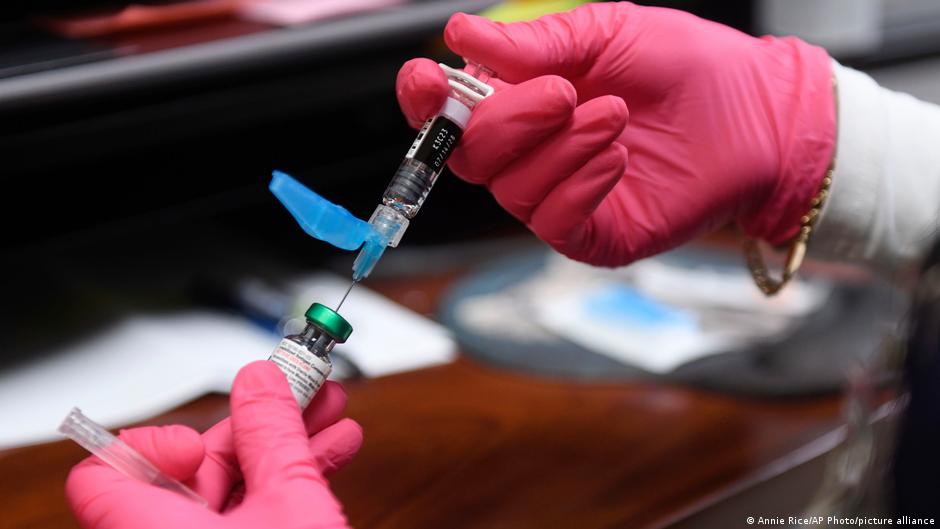
The United States federal childhood vaccination schedule underwent a meaningful revision on Monday, January 5, 2026, shifting away from universal recommendations for six diseases, including influenza. This change, announced by the Department of Health, marks a notable departure from decades of scientifically-backed guidance.
Leading this shift is Robert F. Kennedy jr., the current head of the department of Health, who has previously expressed skepticism regarding vaccines. the updated recommendations come following a directive from President Donald Trump to align the U.S. vaccination schedule with those of other nations.
the Centers for Disease Control and Prevention (CDC) now suggests that vaccinations against hepatitis A,hepatitis B,and meningococcal disease be reserved for individuals at higher risk or as specifically advised by a healthcare professional,rather than being universally administered.This mirrors a previous adjustment made for the COVID-19 vaccine. According to the CDC, as of December 2025, vaccination rates for preventable diseases had plateaued in several states, prompting a reevaluation of current strategies.
“After a thorough review of the available evidence, we are aligning the U.S. childhood immunization schedule with international consensus,while also strengthening transparency and informed consent,” stated Kennedy. “This decision safeguards children, respects families, and rebuilds trust in public health.”
Concerns arise Among Medical Experts
However, the reform has already drawn criticism from numerous medical and public health professionals. Sean O’Leary, chair of the American Academy of Pediatrics’ Committee on Infectious Diseases, emphasized that the childhood vaccination schedule is a rigorously studied tool for protecting children from severe, and sometimes fatal, illnesses.
“Countries carefully consider vaccine recommendations based on disease prevalence and their healthcare systems. You can’t simply copy and paste public health policy, and that’s what appears to be happening here.”
O’Leary further warned, “Literally, the health and lives of children are at stake.” Recent data from the World Health Organization indicates a global resurgence of measles in 2024, linked to declining vaccination rates, serving as a stark reminder of the importance of preventative measures.
Michael Osterholm, from the Vaccine Integrity Project at the University of Minnesota, voiced concerns about abandoning recommendations for vaccines against influenza, hepatitis
Keep reading