US Sanctions Relief on Syria: A Complex Path to Refugee Return and Reconstruction
The recent US decision to permanently lift the Caesar Act sanctions on Syria is being viewed with cautious optimism by aid organizations, particularly those operating in neighboring Lebanon. While the move is expected to potentially encourage further repatriation of Syrian refugees, the path to sustainable return and national reconstruction remains fraught with challenges, including ongoing security concerns, economic devastation, and the needs of newly displaced populations.
A Shift in US Policy & The Hope for Return
For years, the Caesar act, initially imposed in 2019 and temporarily eased by executive order under the Trump administration, served as a meaningful impediment to economic activity in Syria. The sanctions were designed to hold the Assad regime accountable for widespread human rights abuses committed during the country’s brutal civil war. However,the US Senate’s vote to permanently remove these sanctions,now expected to be signed into law by President trump,signals a potential shift in policy.
The Lebanese authorities believe this change could incentivize more Syrian refugees to return home.According to Karolina Lindholm Billing, Representative for UNHCR Lebanon, approximately 400,000 Syrian refugees have already returned to Syria since the fall of Bashar al-Assad in December 2024, following nearly 14 years of conflict. Around 1 million refugees remain in Lebanon, with 636,000 officially registered with UNHCR. Globally, over 1 million refugees and nearly 2 million internally displaced Syrians have begun the process of returning to their communities.
The Reality of Return: Limited Opportunities & Vast Needs
While the numbers suggest a growing trend of return, the reality on the ground is far more complex. Returning refugees currently receive a one-time cash assistance of $600 (€511) per family, a sum quickly depleted in a country where much of the infrastructure has been destroyed and employment opportunities are scarce. Many are returning to homes that are uninhabitable, facing a lack of basic services and a precarious economic future. This raises concerns about the sustainability of returns,with the possibility of cyclical migration as individuals seek economic survival.
The scale of reconstruction needed is immense. The World Bank estimates the cost of rebuilding Syria’s homes and infrastructure at a staggering $216 billion (€184 billion). International aid to date has been “relatively small scale compared to the immense needs,” according to Billing. The lifting of sanctions is seen as a crucial step towards unlocking the necessary investment.
“So what is needed now is big money in terms of reconstruction and private sector investments in Syria that will create jobs,” Billing emphasized, highlighting the link between economic prospect and lasting repatriation. Advocates for the sanctions repeal argued that the threat of future penalties deterred international companies from engaging in long-term rebuilding projects.
A New Wave of Displacement & Vulnerable Populations
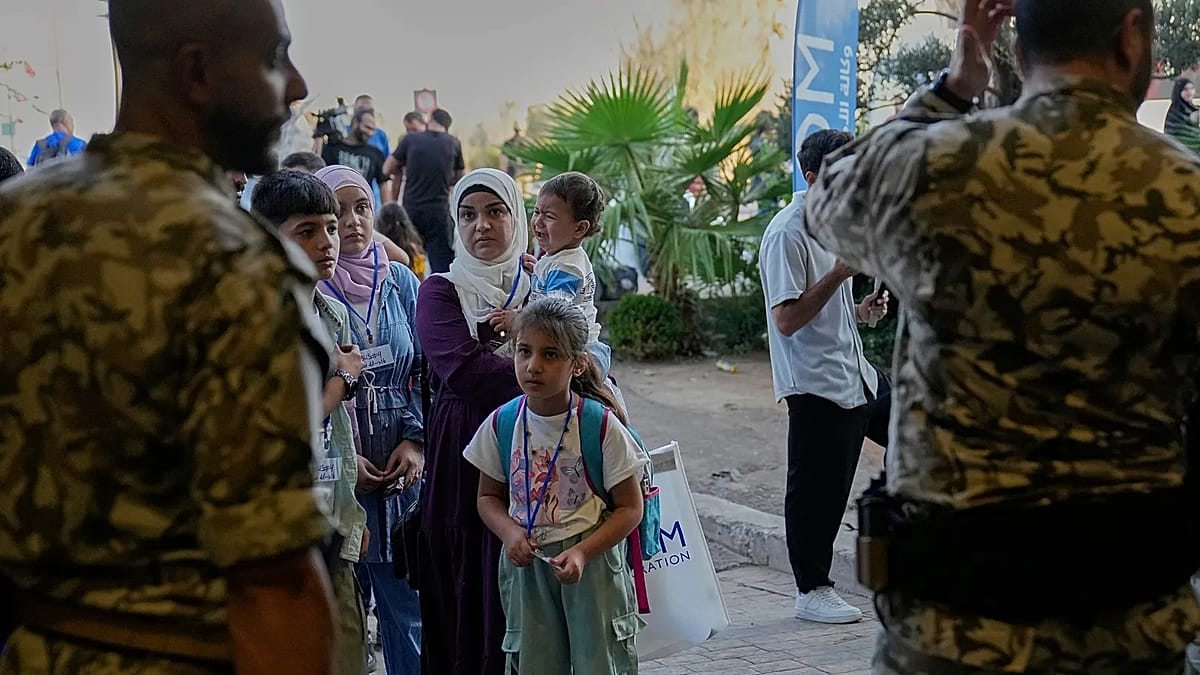
The situation is further complicated by ongoing instability and a new wave of displacement from Syria. Since al-Assad’s consolidation of power, ethnic and religious clashes have forced approximately 112,000 Syrians to seek refuge in Lebanon. These new arrivals are particularly vulnerable, often lacking legal status and access to essential services.
Many are members of religious minorities – particularly Alawites (to which al-Assad belongs) and Shiites – fearing retribution for their perceived support of the regime during the war. Recent outbreaks of sectarian violence, including killings and reports of kidnapping and sexual assault, have fueled this fear.These individuals are often hesitant to return, fearing for their safety and well-being.
“Their main need… is documentation because they have no paper to prove that they are in Lebanon, which makes it tough for them to move around,” Billing explained. “Many are very afraid of being returned to syria as what they fled were very violent events.”
Challenges Ahead & The Need for a Holistic Approach
The lifting of US sanctions is not a panacea. Sustainable refugee return and national reconstruction require a holistic approach that addresses the root causes of displacement, ensures the safety and security of all Syrians, and fosters economic opportunity. This includes:
* Significant and sustained international investment: Beyond initial reconstruction funds, long-term investment in job creation, infrastructure advancement, and social services is critical.
* Addressing security concerns: ensuring the safety and security of returning refugees and internally displaced persons is paramount. This requires addressing ongoing sectarian tensions and establishing the rule of law.
* Protecting vulnerable populations: Providing legal status and assistance to newly displaced Syrians in neighboring countries is essential.
* Clear governance and accountability: Rebuilding trust in governance and ensuring accountability for human rights abuses
Related reading