
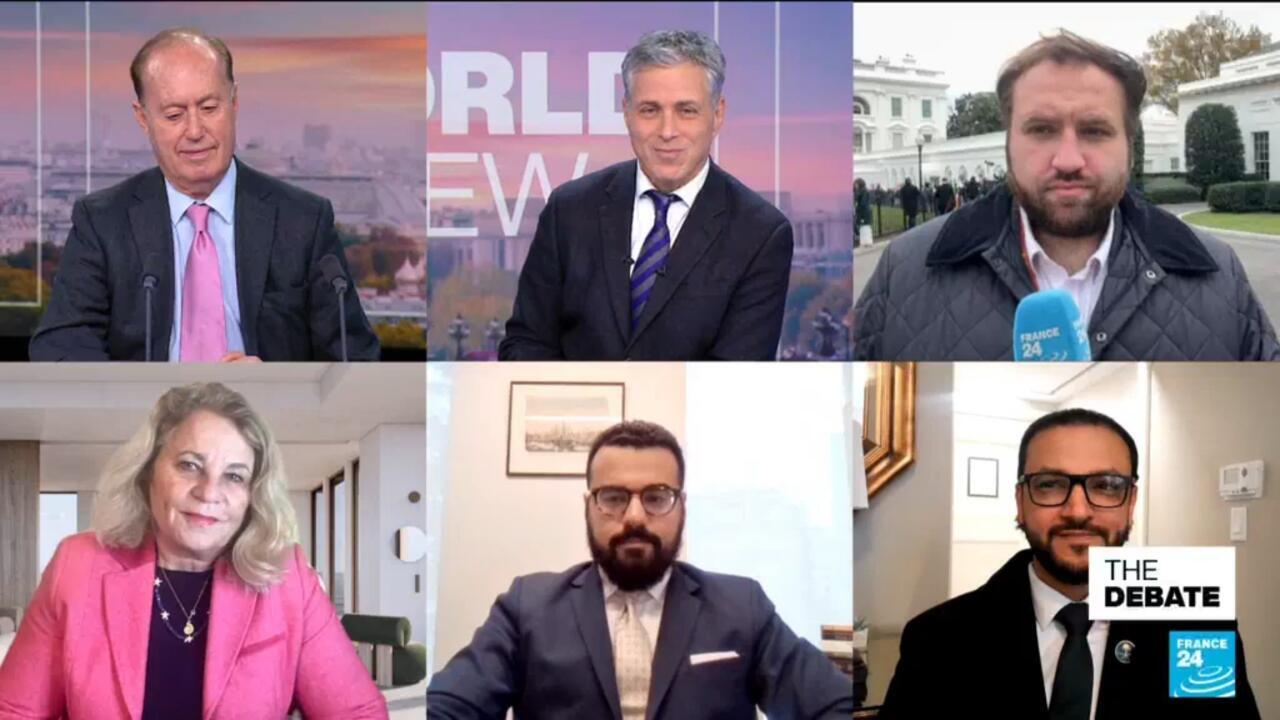
The Shifting Sands of Middle East Diplomacy: US-Saudi Relations and the Path too Stability
The Middle East is undergoing a dramatic realignment,a reshaping of political alliances not seen in a generation. In this volatile landscape, skillful diplomacy is paramount – the difference between lasting peace and escalating conflict for millions. But what’s truly driving this new wave of diplomatic activity, particularly between the United States and Saudi Arabia? The answer is complex, interwoven with security interests, regional power plays, and, increasingly, questions of financial influence.
This article delves into the evolving relationship between the US and Saudi Arabia,examining the factors influencing current policy,the implications for regional stability,and the potential impact on ongoing conflicts like the one in Gaza. We’ll explore the recent warming of relations despite past controversies, and analyze whether this partnership will ultimately lead to a reduced US military footprint in the region, or further entrenchment.
A Complex partnership: Security, Reach, and Financial Ties
The US-Saudi relationship has historically been built on a foundation of energy security and counterterrorism cooperation. However, the dynamic is becoming increasingly multifaceted. Several key elements are at play:
* bilateral Security Agreements: The US continues to provide significant military support to Saudi Arabia, a cornerstone of regional security.
* Regional Outreach: Both nations are actively engaging with previously estranged actors, including Syria and, indirectly, Israel, seeking to de-escalate tensions and foster dialogue.
* Economic Interests: Beyond oil, ample US investment in Saudi Arabia’s “Vision 2030” diversification plan is creating new economic ties.
* Personal Enrichment Concerns: Reports surrounding the financial dealings of figures connected to both governments, including the Trump family, raise questions about potential conflicts of interest.
This blurring of lines between statecraft and private investment is a critical aspect of the current situation. It demands scrutiny and transparency to ensure decisions are made in the best interests of both nations and the broader region.
From Pariah to Partner: MBS and the shift in US Policy
The relationship between the US and Saudi crown Prince Mohammed bin Salman (MBS) has been fraught with tension, particularly following the 2018 murder of journalist Jamal Khashoggi. Initially ostracized, MBS is now being welcomed back onto the international stage, including a recent visit to the White House.
This shift reflects a pragmatic reassessment of US interests. MBS has demonstrably taken steps to reshape Saudi foreign policy:
* Mending Fences with Iran: A surprising diplomatic breakthrough, brokered by China, has seen Saudi Arabia and Iran restore diplomatic relations.
* De-escalation in yemen: Saudi Arabia has significantly reduced its involvement in the devastating civil war in Yemen, paving the way for potential peace talks.
* Engagement with Syria: MBS has taken a leading role in re-establishing ties with the Assad regime in Syria, a move that has sparked both criticism and cautious optimism.
These actions suggest a willingness to pursue a more collaborative approach to regional security, potentially aligning with US goals of de-escalation. However, concerns about human rights and internal political repression within Saudi Arabia remain.
Saudi Arabia and the Future of gaza: A Key Player
Saudi Arabia’s role is crucial in shaping the future of the israeli-Palestinian conflict, particularly in the wake of the recent conflict in Gaza. The recent UN vote endorsing elements of the Trump plan, while controversial, highlights the need for a thorough solution.
Can Saudi Arabia leverage its influence to ensure a better future for Palestinians, as outlined in the UN resolution? The answer likely hinges on several factors:
* regional Stability: A stable and prosperous Middle East is in Saudi Arabia’s long-term interest.
* US-Saudi Coordination: Close collaboration between Washington and Riyadh is essential for any meaningful progress.
* Palestinian Unity: A unified Palestinian leadership is vital for negotiating a lasting peace agreement.
For a US president who campaigned on ending “forever wars,” the visit by MBS presents a pivotal moment. Will it facilitate a drawdown of US military forces, or will it solidify a long-term commitment to the region? The outcome remains uncertain.
Recent Developments & Statistics (November 2023 – November 2024)
* Oil Production Cuts: In November 2023, Saudi Arabia, alongside OPEC+, announced further oil production cuts, impacting global energy markets and influencing


