Escalating Tensions: US Acknowledges Israeli Influence in Strikes on Iran
The already volatile situation in the Middle East has been further inflamed by recent acknowledgements from US officials regarding the rationale behind strikes carried out against targets in Iran. Statements made by US Senator Marco Rubio, as reported on March 3, 2026, suggest that Washington acted, at least in part, due to concerns over planned Israeli military action. This revelation has sparked outrage from Iranian officials, who accuse the United States of being drawn into a conflict orchestrated by Israel and place responsibility for any resulting bloodshed squarely on those who support Israeli policy. The exchange underscores the complex web of alliances and escalating tensions that characterize the region, raising fears of a wider conflict.
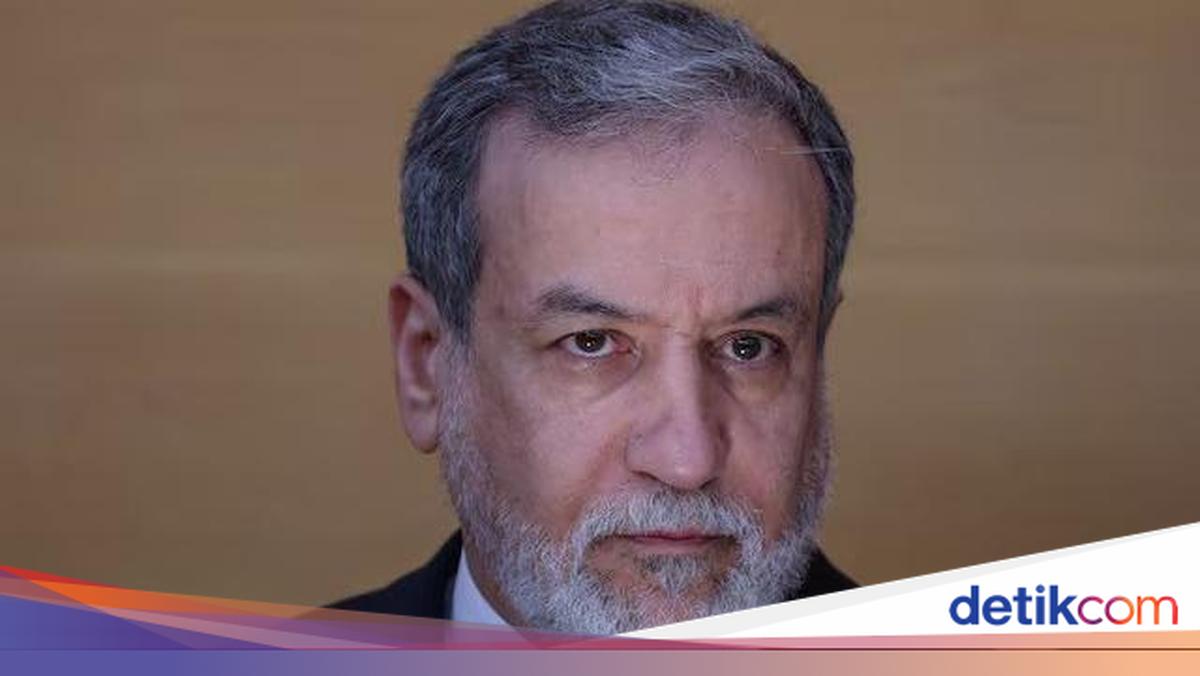
Iranian Foreign Minister Abbas Araghchi responded sharply to Senator Rubio’s comments, asserting that the US had entered a “war of choice” on behalf of Israel. Araghchi, speaking via social media platform X, directly accused Washington of initiating military action to protect Israeli interests, and warned of the consequences. This accusation comes amidst a backdrop of reported casualties on both sides, with Tehran claiming significant losses among both Iranian and US forces as a result of retaliatory strikes. The situation remains highly fluid, with both nations signaling a willingness to continue military operations.
Rubio’s Statement and US Rationale
Senator Rubio, speaking to reporters, explained the US decision to launch strikes against Iranian targets by stating that the action was preemptive. According to reports from AFP, Rubio indicated that US intelligence suggested Israel was preparing to launch its own offensive, and that a subsequent Iranian response would likely target US military personnel stationed in the region. The Senator argued that the US strikes were intended to mitigate potential American casualties. This justification, although, has been met with strong criticism, particularly from within the US political landscape.
Democratic Representative Joaquin Castro voiced concerns that Israel’s actions had effectively endangered US troops. Castro suggested that Israel’s insistence on attacking Iran had created a situation where American forces were placed in harm’s way, implying a lack of coordination or consideration for US interests. The Jerusalem Post reported on this criticism, highlighting the growing divide within the US government regarding the handling of the escalating conflict.
Iranian Claims of Casualties and Accusations
Iranian authorities have reported a death toll of at least 555 individuals as a result of the combined US-Israeli attacks. Tehran claims that approximately 560 US military personnel have been killed or wounded in retaliatory strikes launched by Iran. These figures, however, have not been independently verified. The US government, while acknowledging casualties, has confirmed a significantly lower number, reporting at least four American service members killed in the recent attacks. The discrepancy in reported casualty figures underscores the challenges in obtaining accurate information amidst the ongoing conflict.
Araghchi’s strong condemnation extended to labeling individuals who prioritize Israeli interests as “Israel Firsters,” a term considered derogatory. He further asserted that there was no legitimate “threat” posed by Iran, framing the US actions as an unwarranted escalation. He placed the responsibility for any loss of life, both American and Iranian, on those who support Israel’s policies, calling for the American people to reclaim control of their nation’s foreign policy direction. This rhetoric reflects a deepening animosity and a hardening of positions on both sides.
US Concerns Regarding Iran’s Nuclear Program and Regional Influence
The current escalation is occurring against a backdrop of ongoing concerns regarding Iran’s nuclear program and its regional influence. The United States has repeatedly expressed its concerns about Iran’s nuclear ambitions, fearing that the country is seeking to develop nuclear weapons. These concerns have been a major driver of US policy towards Iran, including the imposition of sanctions and the pursuit of diplomatic solutions. CNBC reports that the US has warned Iran’s reluctance to discuss its weapons program is a “massive, big problem” as fresh talks begin.
Recent Diplomatic Efforts
Despite the escalating military tensions, diplomatic efforts to de-escalate the situation are ongoing. France 24 reports that Tehran has hailed “good progress” in recent US-Iran talks, with technical discussions scheduled for the following week. However, the success of these talks remains uncertain given the current climate of heightened tensions and mistrust. The willingness of both sides to engage in meaningful dialogue will be crucial in preventing a further escalation of the conflict.
The Broader Regional Implications
The conflict between the US, Iran, and Israel has far-reaching implications for the broader Middle East region. The potential for a wider conflict involving other regional actors is a significant concern. The conflict also risks exacerbating existing sectarian tensions and destabilizing already fragile states. The humanitarian consequences of a prolonged conflict could be devastating, with the potential for mass displacement and loss of life. The international community is closely monitoring the situation and urging all parties to exercise restraint and prioritize diplomatic solutions.
The current situation highlights the complex and interconnected nature of the challenges facing the Middle East. A lasting resolution will require a comprehensive approach that addresses the underlying causes of conflict, including the Israeli-Palestinian conflict, Iran’s nuclear program, and the broader regional power dynamics. Without a concerted effort to address these issues, the region risks being plunged into a prolonged period of instability and violence.
As of March 3, 2026, the situation remains highly volatile. Further developments are expected as technical discussions between the US and Iran proceed next week. World Today Journal will continue to monitor the situation closely and provide updates as they become available. Readers are encouraged to share their perspectives and engage in constructive dialogue in the comments section below.
Keep reading