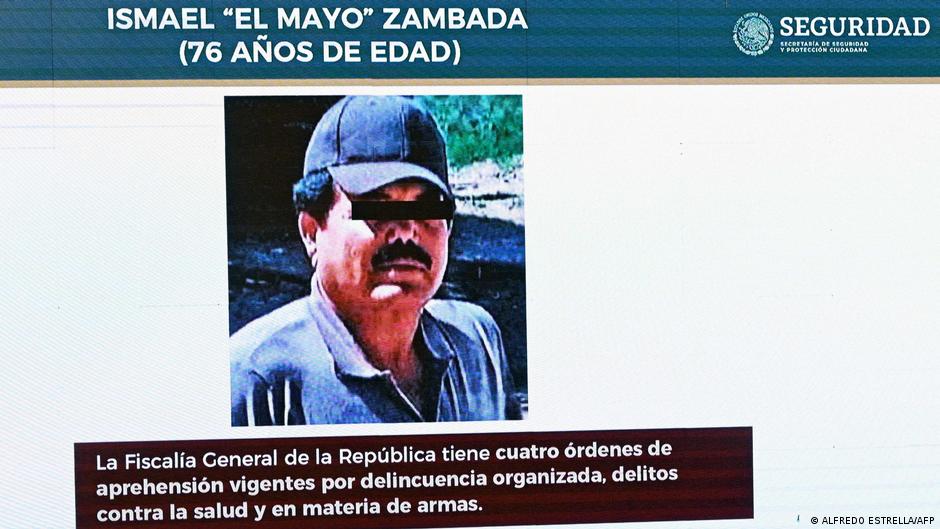
United States federal prosecutors are seeking a life sentence and the forfeiture of $15 billion USD from Ismael “El Mayo” Zambada. The request outlines the government’s pursuit of financial assets.
The filing marks a significant escalation in the legal proceedings against the defendant. Prosecutors argue that the $15 billion figure represents the estimated proceeds generated by the cartel’s operations, which federal authorities claim continued to rely on extensive bribery of law enforcement, military personnel, and political figures through this year.
Legal Charges and Financial Forfeiture
The U.S. The $15 billion forfeiture request is designed to strip the defendant of the financial influence he allegedly maintained while overseeing the Sinaloa Cartel.

The government’s legal strategy focuses on demonstrating that the defendant’s role was central to the daily operations of the syndicate. Prosecutors have presented evidence suggesting that Zambada maintained a sophisticated network of corruption that protected the cartel’s illicit activities from government interference until 2024.
The Scope of Sinaloa Cartel Operations
Federal investigators allege that Zambada expanded the reach of the Sinaloa Cartel. Court documents indicate that these efforts involved systematic payments to officials to ensure the safe passage of illicit cargo.
The scale of the requested forfeiture—$15 billion—reflects the government’s assessment of the total revenue generated by the organization over the period of the indictment. This financial penalty is intended to function as a deterrent, targeting the economic engine that allows such organizations to replenish their resources and sustain operations despite the arrest of individual leaders.
Context of the Arrest
Ismael Zambada was arrested. The circumstances of his arrival remain a subject of intense scrutiny in both the United States and Mexico. The defendant has pleaded not guilty to the charges brought against him. His defense team has challenged the government’s account of his apprehension, raising questions regarding the involvement of other cartel figures in his transport to the United States.
The case represents one of the most high-profile prosecutions of a Mexican drug lord in recent history. As the proceedings move forward, the court is tasked with reviewing the evidence regarding the extent of the cartel’s financial reach and the validity of the government’s forfeiture claims. The U.S. federal court system maintains public access to case filings, where future motions and evidentiary hearings will be documented as the trial progresses.
Next Steps in the Judicial Process
The case is currently in the pre-trial phase, with defense attorneys preparing to respond to the government’s comprehensive evidence package. The next major developments are expected to occur during upcoming status conferences, where judges will set the schedule for potential trial dates and evidentiary hearings. These sessions will determine the timeline for witness testimony and the presentation of financial records related to the forfeiture request.
Observers of the international legal landscape will be monitoring these hearings for further insights into the government’s evidence regarding the scope of the Sinaloa Cartel’s influence. Updates on the proceedings will be provided by the court as they occur. Readers are encouraged to check official court dockets for the most recent filings and to share this information as the legal process continues to unfold.
Related reading