The U.S. Senate initiated floor action on the Digital Assets Market Clarity Act early Saturday after an overnight session. Led by Majority Leader John Thune, the chamber’s maneuver sets up an initial procedural vote for September 15, keeping the crypto market structure bill alive despite missing its summer recess window.
Senate Leadership Forces Procedural Vote on Crypto Bill
The U.S. Senate jumped into its first procedural votes on the crypto Digital Assets Market Clarity Act after leadership moved early Saturday to start official floor action. The floor action marks the farthest legislative progress yet for the digital asset industry’s central policy effort.
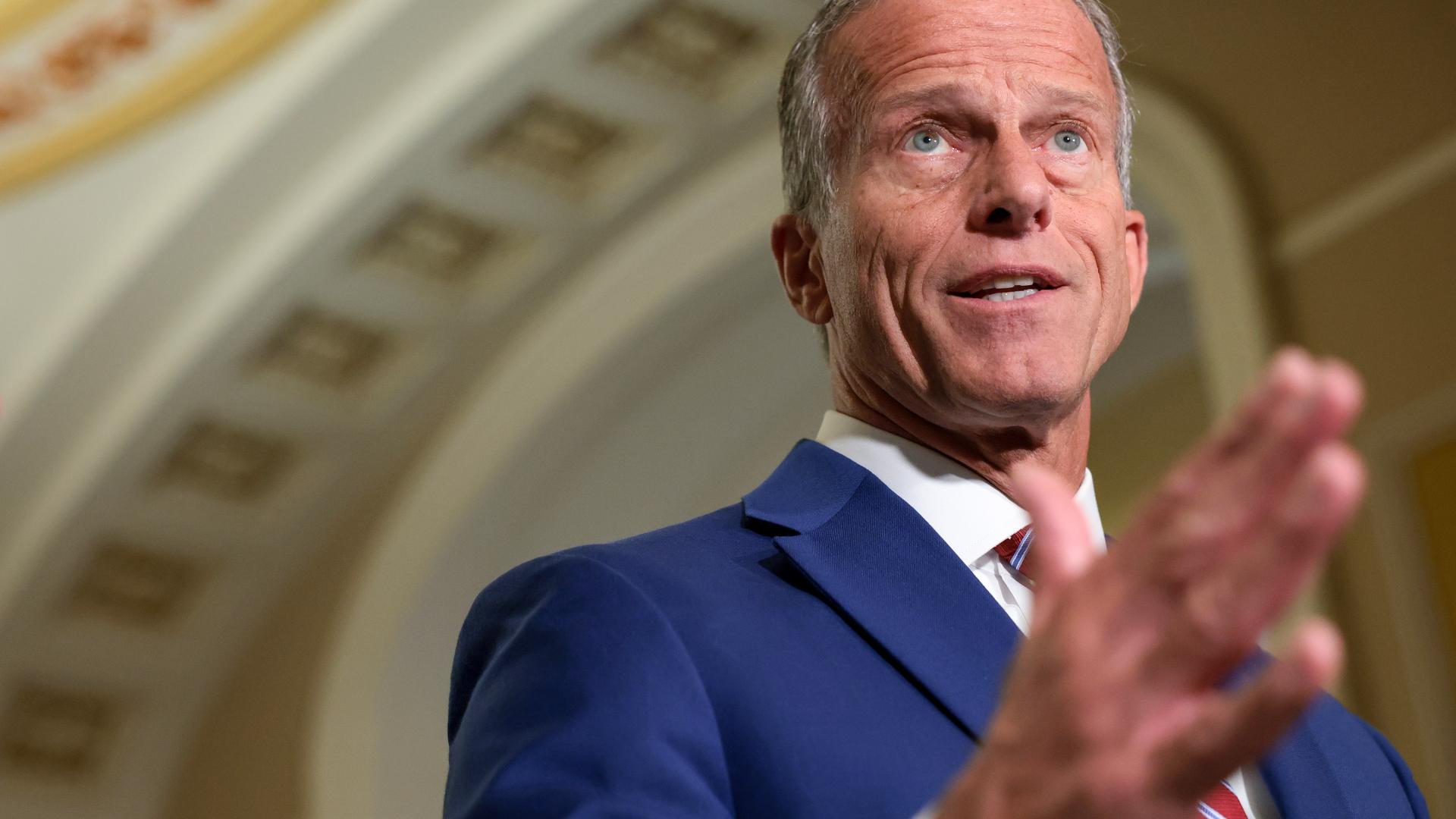
Senate Majority Leader John Thune filed the motion to proceed on the bill early Saturday following a marathon overnight session, opening the multi-step cloture process the chamber uses to push contested legislation past its 60-vote threshold, according to Decrypt. The maneuver locks in an initial procedural vote set for 2:15 p.m. ET on Tuesday, September 15.
That filing arrived too late to squeeze in a vote before senators departed for the August recess. Without the late cloture filing, the legislation would likely have been declared dead for 2026.
The Arithmetic Challenge and Bipartisan Hurdles
Passing the bill requires 60 votes, but Republicans hold only 53 seats, leaving sponsors hunting for at least seven Democratic crossovers. That math proved difficult during July negotiations. On July 22, Republicans released a new draft combining work from the Senate Banking and Agriculture committees, but seven Democrats quickly stated that the text still fell short.
Those objecting Democrats called for stronger provisions covering ethics, consumer protection, illicit finance, conflicts of interest, and market integrity. The legislation aims to divide oversight between the Securities and Exchange Commission and the Commodity Futures Trading Commission, while establishing standards for exchanges, intermediaries, and decentralized-finance developers.
Industry participants poured heavy financial backing into the political landscape to support the effort. Fairshake, a crypto-backed super PAC, and its affiliates poured more than $130 million into the 2024 elections supporting candidates from both parties. The network reported holding more than $193 million in cash on hand for the midterms, which included a $25 million contribution from Coinbase in 2025 alongside more recent contributions of $25 million from Ripple and $24 million from Andreessen Horowitz’s crypto arm.
White House Holdings and Government Ethics Sticking Points
Government ethics provisions covering President Donald Trump’s crypto holdings have emerged as a central political dispute. Lawmakers attempted to secure a bipartisan agreement on an addendum negotiated with the White House that would require the president to divest from crypto-related businesses, though no word had emerged from the White House regarding the proposed addendum.
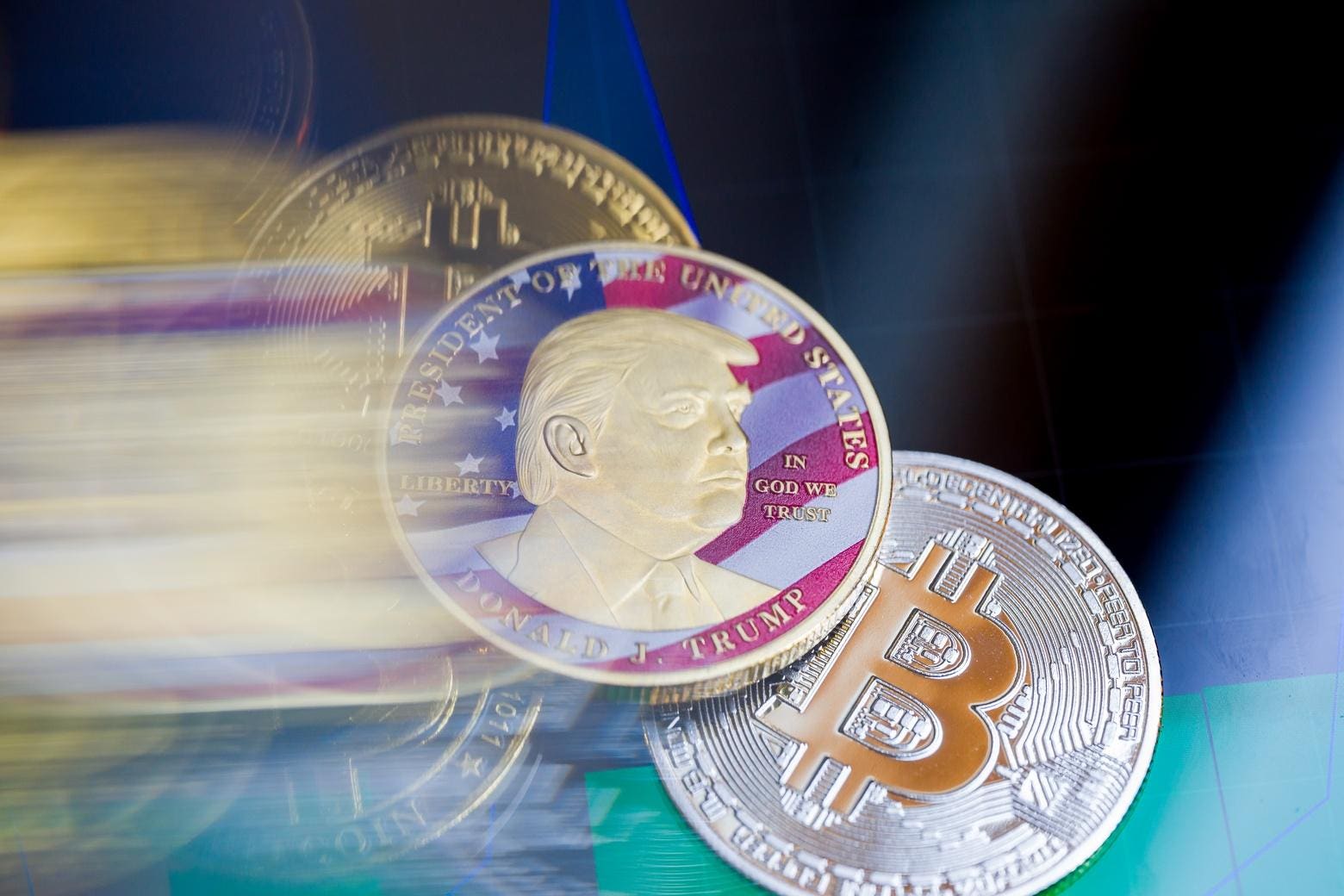
President Trump’s latest financial disclosure reported more than $1.4 billion in crypto-related income for 2025, including $636 million tied to licensing the $TRUMP memecoin and more than $500 million from sales of World Liberty Financial tokens.
Patrick Witt, a White House crypto adviser, expressed optimism regarding the Senate’s session days in early August.
Witt pointed to the Senate’s session days in early August as a reason for his optimism.
Market Outlook and the Narrow September Window
Prediction markets reflect the tight legislative timeline. Polymarket places the odds of enactment this year near 30%, while Galaxy Research estimates similar probabilities. Market pricing indicates that YES odds for the bill’s passage in 2026 increased to 21.5% following the latest procedural maneuvering.
Legal experts point out that time remains remarkably compressed. Ladan Stewart, global head of fintech at White & Case and former lead of the SEC’s specialized crypto trial unit, noted the political shift awaiting lawmakers upon their return.
When lawmakers return on September 14, they will face roughly three weeks of session time before scattering again in early October through Election Day. Barely five session weeks remain before year-end once members return in November, with annual spending bills competing directly for floor time.
Worth a look