

## U.S. Absence at Pacific Future Forum Signals Shifting Security Dynamics
As of August 29,2025,a notable shift in international security engagement has occurred with the United States’ decision to abstain from direct participation – specifically,sending uniformed military or governmental representatives – at the Pacific Future Forum. This annual conference, hosted by the United Kingdom and convened this year in Tokyo Bay aboard the HMS Prince of Wales, brings together key regional allies to bolster collaborative defense strategies.the absence marks the first time the U.S. has declined to send speakers to this crucial event,raising questions about evolving priorities and potential recalibrations in U.S. foreign policy within the Indo-Pacific region. This article delves into the implications of this decision, examining the context, potential motivations, and future ramifications for regional security cooperation.
### The Pacific Future Forum: A Hub for Indo-Pacific Security
Did You Know? The Pacific Future Forum originated in 2018 as a response to growing concerns about maritime security and freedom of navigation in the Indo-pacific, initially focusing on counter-piracy efforts before expanding its scope to encompass broader geopolitical challenges.
The Pacific Future Forum has rapidly become a significant platform for dialog and coordination among defense leaders from Japan, the United Kingdom, and other Western nations. This year’s iteration, held on August 30-31, 2025, features prominent speakers including the defense ministers of both the U.K. and Japan, alongside high-ranking military officials. The forum’s location – the HMS Prince of Wales, a flagship of the Royal Navy currently deployed as part of the UK’s Carrier Strike Group 2025 – underscores the U.K.’s commitment to regional stability and its growing security partnership with Japan. According to a recent report by the International Institute for Strategic studies (IISS) released in July 2025, the Indo-Pacific region is experiencing a 7% increase in defense spending year-over-year, driven largely by concerns over China’s military modernization and assertive foreign policy.### U.S. Non-Participation: A Detailed Examination
sources indicate that Vice Adm. Fred W.Kacher, commander of the U.S. Seventh Fleet, received an invitation to address the forum. Though, organizers reportedly did not receive a response from U.S. officials.This silence speaks volumes,particularly given the forum’s focus on strengthening regional alliances – a stated priority of the current U.S.administration.
| Aspect | pacific Future Forum (2025) | U.S. Participation (past) | U.S. Participation (2025) |
|---|---|---|---|
| Host Nation | United Kingdom & japan | N/A | N/A |
| Location | Tokyo Bay (HMS Prince of Wales) | Various locations in the Indo-Pacific | N/A |
| Key speakers | UK & Japanese Defense Ministers, senior Military Officials | U.S.Military & Government Representatives | None |
| Focus | Regional Security Cooperation, Maritime Security | Similar, with emphasis on U.S. role | N/A |
Several potential explanations for the U.S. decision have emerged. One possibility is a deliberate signal of dissatisfaction with the forum’s agenda or perceived limitations in its scope. Another, more pragmatic explanation, could be scheduling conflicts or resource constraints within the U.S.Department of Defense. Though, given the forum’s importance and the current geopolitical climate, a simple logistical issue seems unlikely. A recent analysis by the Council on Foreign Relations (August 2025) suggests that the U.S.is increasingly prioritizing bilateral engagements with key allies like Japan and Australia over multilateral forums, potentially explaining the shift in approach.
Pro Tip: When analyzing shifts in diplomatic engagement, always consider the broader strategic context. Look beyond the immediate event and examine underlying geopolitical trends, recent policy changes, and potential
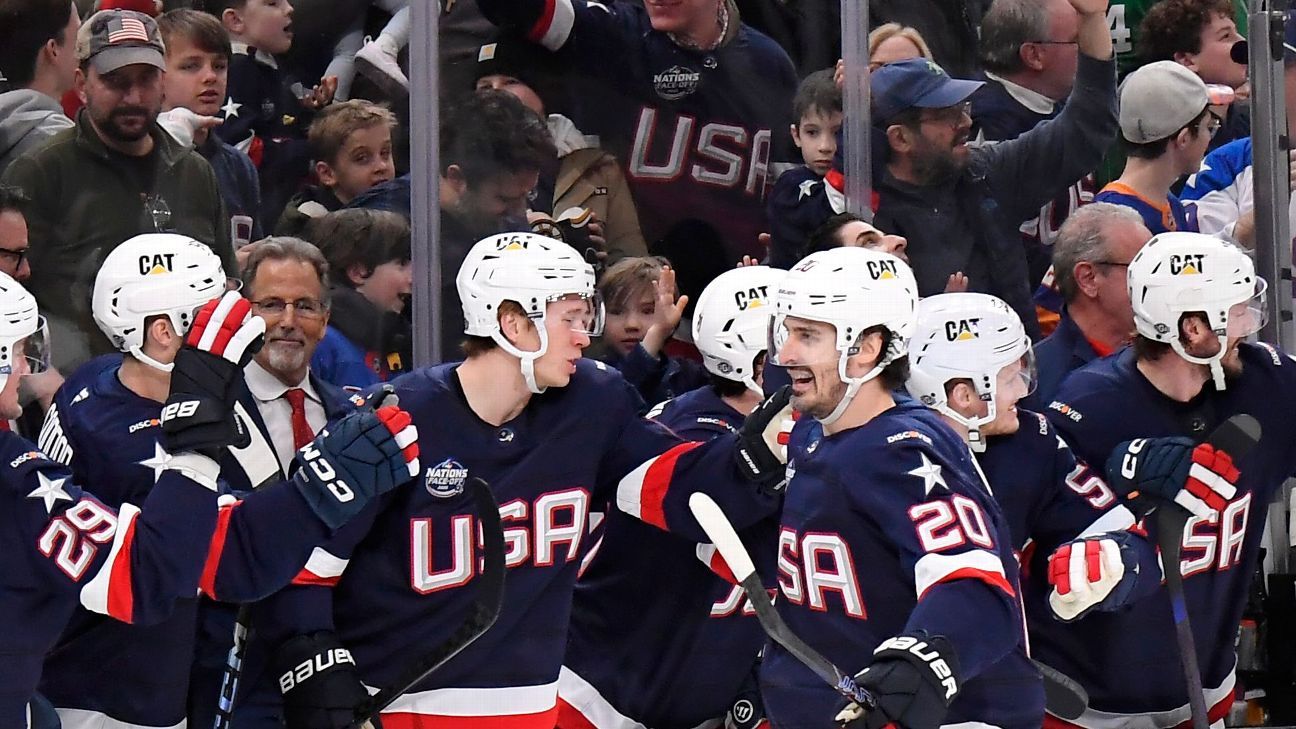
USA Hockey’s Olympic Gold Quest: Aiming for First Win Since 1980
Tax Revenue Up $16.6B: Corporate Taxes Drive Growth (Jan-Jul)


Related Posts

VAERS Data & Vaccine Misinfo: Separating Fact From Fiction
December 23, 2025PERM Green Card Updates 2026: Faster Processing Expected | Google ...
December 23, 2025


