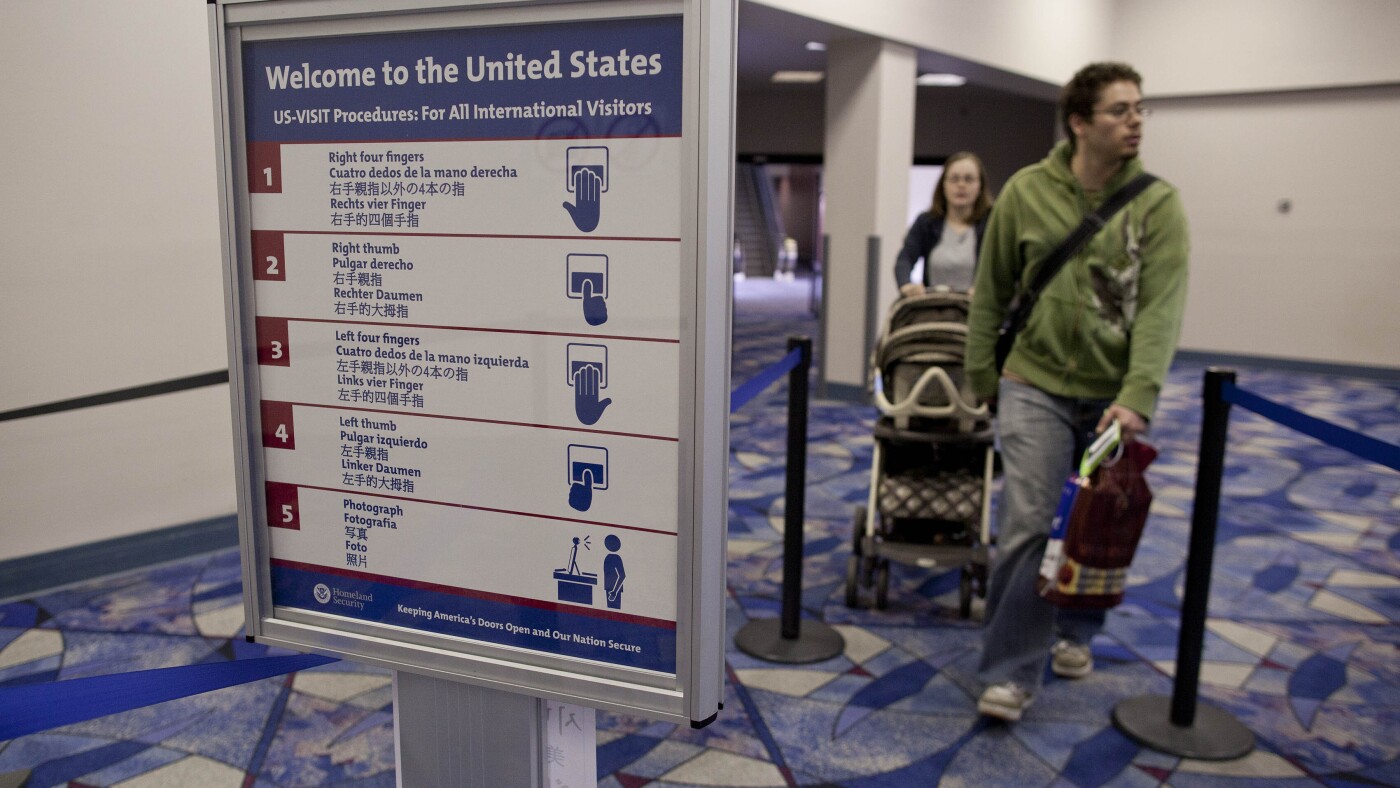
U.S. Tightens Scrutiny of Travelers: New Rules Expand Social Media Checks & Shift to Mobile Applications
The U.S. government is considerably escalating its monitoring of international travelers, moving beyond customary visa applications to scrutinize the online activity of those entering the country under the Visa Waiver Program (VWP). This latest growth, announced recently, raises concerns about potential overreach, vague definitions of “threats,” and the chilling effect on free expression.
What’s Changing?
Currently, citizens of 40 allied countries – including Australia, France, Germany, Japan, and the UK – can travel to the U.S. for tourism or business for up to 90 days without a visa, utilizing the Electronic System for Travel Authorization (ESTA). This streamlined process, costing $40, is about to become more complex.
The proposed changes include:
* Eliminating Online Applications: The current ESTA online submission will be phased out.
* Mobile-Only Platform: Applications will be exclusively handled through a mobile application.
* Expanded Social Media Screening: The Department of Homeland Security (DHS) is asserting its authority to review the social media activity of VWP applicants, seeking to identify individuals who “commit terrorist attacks, threaten our national security, espouse hateful ideology, or otherwise exploit the immigration laws for malevolent purposes.”
The Critical Missing Piece: defining a “Threat”
While the stated goal is to enhance security, a significant point of contention is the lack of clarity surrounding what online activity will trigger scrutiny. DHS has not provided specific criteria, leaving the interpretation open to broad discretion. This ambiguity is deeply concerning to immigration law experts.
“The government has always had the ability to request this details,” explains Marissa Montes, a professor at Loyola Law School and director of the Immigrant Justice Clinic. “The real question is how Customs and Border Protection (CBP) will implement this screening. Will applicants be required to submit social media handles upfront, or will officers request access at the point of entry? We simply don’t know.”
Historically, such screenings have been conducted at the point of entry and were largely discretionary. However, the current governance’s approach signals a more proactive and potentially intrusive level of surveillance.
A Pattern of Increased Restrictions
This move is part of a broader trend under the current administration. Just this June,the State Department announced it would begin reviewing the social media accounts of all foreign students applying for visas. Moreover, visa applications – particularly H-1B visas for skilled workers – have been denied to individuals involved actually-checking, content moderation, or related fields, framed as ”censorship” of american speech.
What Does This Mean for Travelers?
The implications are far-reaching. Montes advises clients to be acutely aware of their entire online footprint – not just their own posts,but also content they’ve liked,commented on,or shared.
“Anything can be construed as a potential threat,” she warns. “Posts regarding casual drug use,images with firearms,or even expressions of pro-socialist or communist viewpoints could raise red flags.”
Interestingly,wholly deleting social media accounts is not recommended. Montes notes that a lack of online presence is itself becoming a “red flag” for officials.
Navigating the New Landscape
The key takeaway is caution. Individuals planning to travel to the U.S.under the VWP shoudl:
* Assume all online activity is visible: If you wouldn’t want a CBP officer to see it, don’t post it.
* Be mindful of engagement: Likes, comments, and shares carry the same weight as original posts.
* Understand the broad interpretation of “anti-American”: Criticism of the administration or its policies could be misconstrued.
* Maintain a reasonable online presence: Complete deletion of accounts can raise suspicion.
The Bigger Picture: Immigration Bias & Discretionary Power
The lack of clear guidelines and the broad discretionary power granted to immigration officials are at the heart of the concern. Critics argue that these policies are susceptible to bias and can be used to target individuals based on their political beliefs or viewpoints.
“Our immigration laws already contain biases,” Montes emphasizes. “You really have to be careful about what you put out there. As I always tell my clients, if *I* can find the information, the government certainly can.”
**This is a developing situation. Stay informed and consult with an immigration attorney if you
Related reading
- Guía completa sobre fertilización incorporada al suelo: Técnicas y beneficios
- Carbohydrates and Meal Timing: Strategies to Reduce Blood Sugar Spikes
- India and China Resume Cross-Border Trade After COVID-19 Disruption (archyde.com)
- Amsterdam WorldPride Canal Parade Held Under Heavy Security (archyworldys.com)