
The U.S. Army has confirmed the recovery of the remains of a soldier who went missing during military exercises in Morocco, bringing a grim conclusion to a search operation that spanned several days in the rugged terrain of North Africa.
The recovered service member has been identified as 1st Lt. Kendrick Lamont Key Jr., a 14A Air Defense Artillery officer. According to official reports, the recovery took place near Cap Draa, a coastal region in Morocco known for its challenging geography. While the recovery of Lt. Key provides some closure, the operation remains active as a second U.S. Soldier continues to be missing.
The incident has cast a shadow over the joint military training efforts in the region, highlighting the inherent risks associated with field exercises in remote environments. The U.S. Army Europe and Africa command, which oversees operations in the theater, has been coordinating closely with Moroccan authorities to manage the search and recovery efforts.
As the military community mourns the loss of Lt. Key, the focus of the search has shifted entirely toward locating the remaining missing soldier. The Army has not yet released the identity of the second service member, citing the need to notify next of kin in accordance with standard Department of Defense protocols.
Identification and Recovery of 1st Lt. Kendrick Lamont Key Jr.
The identification of 1st Lt. Kendrick Lamont Key Jr. Followed a rigorous search and recovery mission near Cap Draa. Lt. Key served as an Air Defense Artillery officer, a role critical to protecting ground forces and strategic assets from aerial threats. The recovery of his remains was the result of a coordinated effort involving specialized search teams and local Moroccan support.
Official statements from the U.S. Army indicate that the recovery process involved navigating difficult terrain to reach the site where Lt. Key was located. The Army has expressed its condolences to the family and colleagues of the fallen officer, noting the professional dedication he brought to his role as a 14A officer.
The recovery operation was conducted under the guidance of U.S. Army Europe and Africa, which managed the logistics of the mission. The precision of the recovery effort required synchronization between U.S. Military assets and Moroccan security forces, reflecting the strong bilateral defense relationship between the two nations.
The Search Operation at Cap Draa
Cap Draa, located on the Atlantic coast of Morocco, presents a formidable landscape for search and rescue operations. The area is characterized by steep cliffs, arid plains, and unpredictable coastal weather, which complicates the movement of personnel and the deployment of aerial surveillance.

The disappearance occurred during military exercises designed to enhance interoperability between U.S. And Moroccan forces. While the specific nature of the activity that led to the disappearance has not been detailed in full public disclosures, reports indicate that the soldiers were separated from their unit during a movement in the field. The search area was centered around the cliffs and coastal edges of Cap Draa, where the terrain is particularly treacherous.
Search teams utilized a combination of ground patrols and aerial reconnaissance to scan the region. The recovery of Lt. Key’s remains suggests that the search teams successfully narrowed down the location of the incident, though the rugged nature of the cliffs may have contributed to the difficulty in locating both soldiers simultaneously.
The Ongoing Search for the Second Soldier
Despite the recovery of Lt. Key, the mission is far from over. The U.S. Army has confirmed that a second soldier remains missing in the same general vicinity. The search for this individual continues as a high priority for both the U.S. And Moroccan governments.
The continued disappearance of the second soldier has necessitated the extension of search operations. Military officials have deployed additional resources to ensure that every possible area of the Cap Draa region is scrutinized. This includes the use of advanced tracking technology and expanded ground search grids to cover the vast and uneven landscape.
The Army has maintained a policy of discretion regarding the identity of the second missing soldier. What we have is a standard procedure to ensure that families are informed through official military channels before information is made public. The persistence of the search underscores the Army’s commitment to leaving no soldier behind, regardless of the environmental challenges.
Context of U.S. Military Exercises in Morocco
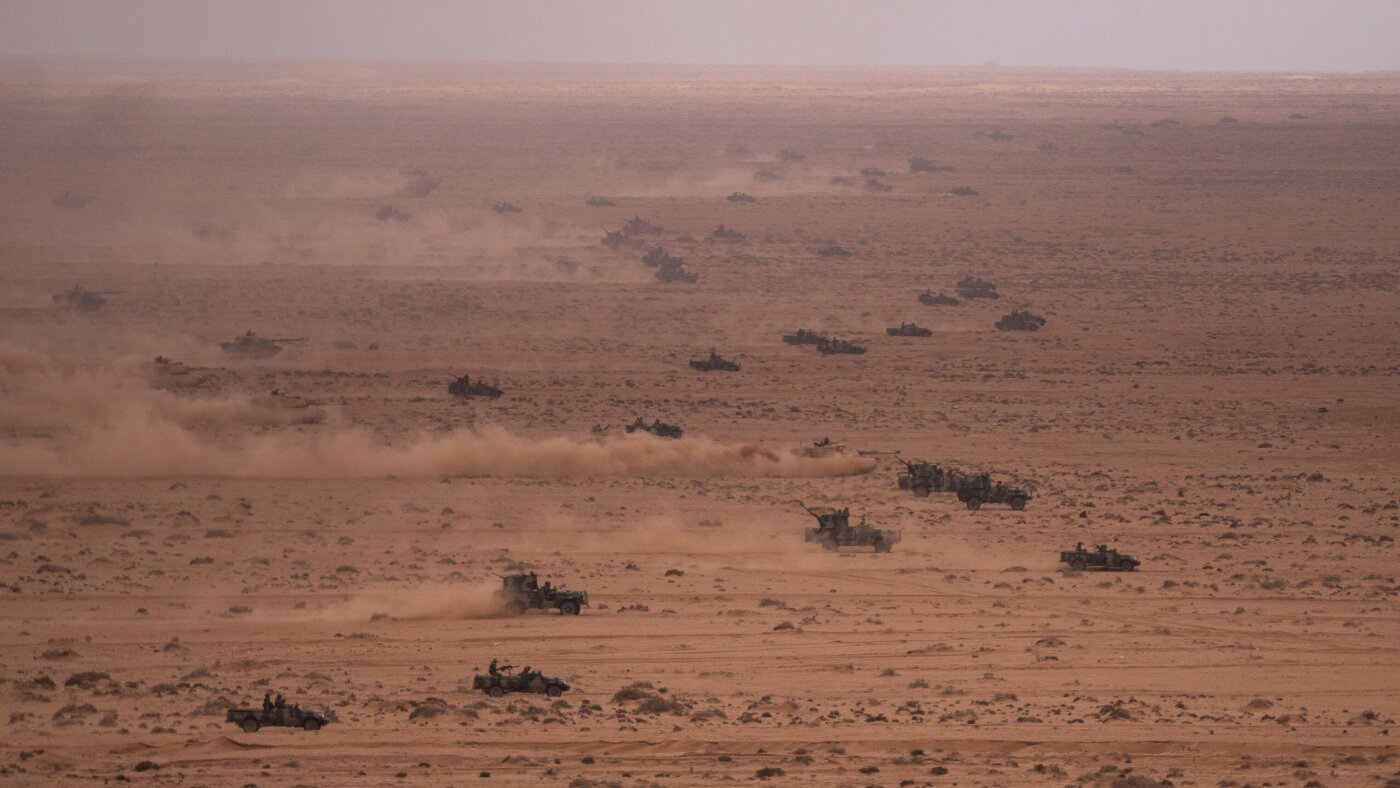
The incident occurred within the broader context of the U.S. Military’s strategic engagement in North Africa. Morocco is a primary partner for the United States in the region, frequently hosting large-scale exercises such as “African Lion,” which is one of the largest annual military exercises on the continent.
These exercises are designed to improve the ability of U.S. And allied forces to operate together in complex environments. They typically include a wide array of training, from joint maneuvers and logistics drills to specialized training for Air Defense Artillery and infantry units. The goal is to enhance collective security and ensure a rapid response to regional instability.
The role of Air Defense Artillery (ADA), such as the specialty held by Lt. Key, is pivotal in these exercises. ADA units are trained to detect, track, and neutralize enemy aircraft and missiles. Training in the varied terrain of Morocco allows these officers to practice their craft in environments that mimic the geographical challenges they might face in real-world deployments.
Impact on Personnel and Readiness
The loss of an officer during a training exercise is a significant blow to unit morale and readiness. 1st Lt. Kendrick Lamont Key Jr. Was not only a leader within his unit but a representative of the specialized training required for Air Defense Artillery. His death serves as a stark reminder of the risks inherent in military training, even in non-combat environments.

The U.S. Army Europe and Africa command has emphasized the importance of safety protocols during field exercises. Following this incident, This proves common for the military to conduct an After Action Review (AAR) to analyze the circumstances of the disappearance and recovery. These reviews are intended to identify gaps in safety procedures or communication failures to prevent similar tragedies in the future.
For the soldiers currently deployed in Morocco, the recovery of Lt. Key provides a somber moment of reflection and a renewed sense of urgency to find their missing comrade. The bond between soldiers in the field often intensifies during such crises, as the unit focuses its collective energy on the search and recovery mission.
Summary of Key Facts
- Service Member Recovered: 1st Lt. Kendrick Lamont Key Jr.
- Military Specialization: 14A Air Defense Artillery Officer.
- Location of Recovery: Near Cap Draa, Morocco.
- Current Status: One U.S. Soldier remains missing.
- Commanding Authority: U.S. Army Europe and Africa.
The recovery of Lt. Key’s remains is a critical step in a painful process. While the military continues its search for the second soldier, the focus remains on supporting the families affected by this tragedy and ensuring the safety of all personnel engaged in joint exercises in North Africa.
The next confirmed checkpoint in this story will be the official update from the U.S. Army regarding the status of the second missing soldier and any further findings from the recovery operation at Cap Draa.
World Today Journal encourages readers to share this report and leave comments below to express their condolences to the families of the affected service members.