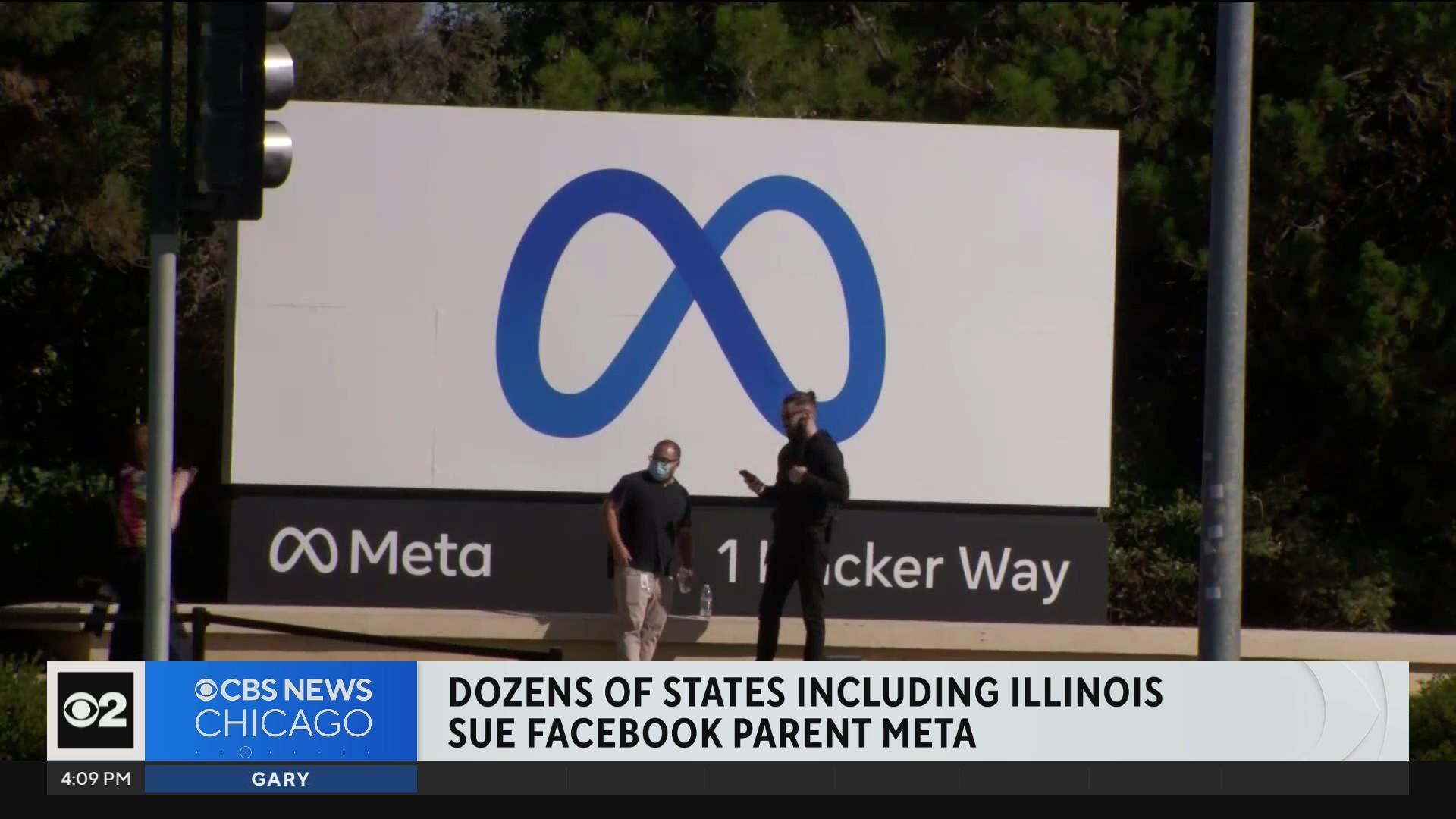
Four U.S. states are seeking approximately $1.4 trillion in damages from Meta Platforms Inc. in a coordinated legal effort alleging the company designed its social media platforms to addict children. The legal action, brought by California, Colorado, Kentucky, and New Jersey, aims to hold the parent company of Facebook and Instagram accountable for the mental health crisis affecting youth across the United States.
The states filed this specific demand for damages ahead of a federal trial scheduled to begin in August in Oakland, California. The litigation focuses on the deployment of “psychologically manipulative” features—such as infinite scroll and algorithmic notifications—that the plaintiffs argue are intentionally engineered to keep minors engaged at the expense of their well-being, according to court filings and state attorney general statements.
This legal push is part of a broader trend of state-led lawsuits against Big Tech. While Meta has consistently denied these allegations, claiming it provides numerous tools for parental supervision and teen safety, the scale of the requested damages reflects the severity of the claims regarding systemic harm to a generation of users.
Why are California, Colorado, Kentucky, and New Jersey suing Meta?
The core of the lawsuit rests on the claim that Meta knowingly deployed features that exploit the dopamine-driven reward systems of the adolescent brain. The states argue that Meta’s internal research likely showed these platforms were harmful to teenagers, yet the company continued to prioritize growth and engagement metrics over user safety.

According to the U.S. Department of Justice and various state filings, the plaintiffs allege that the platforms contribute to depression, anxiety, and sleep deprivation among youth. The specific demand for $1.4 trillion is intended to cover a combination of compensatory damages for affected families and punitive measures to deter future corporate negligence in platform design.
The legal strategy focuses on “product liability” rather than just content moderation. By arguing that the design of the app is the defective product, the states seek to bypass certain protections provided to internet platforms under Section 230 of the Communications Decency Act, which typically shields companies from liability for content posted by third parties.
How does the $1.4 trillion demand impact Meta?
A financial demand of $1.4 trillion is unprecedented in the context of social media litigation. For perspective, Meta’s total annual revenue for 2023 was approximately $134.29 billion, as reported in its official investor relations filings. A judgment of this magnitude would exceed the company’s total market capitalization, making a full payout a mathematical impossibility without total corporate dissolution.

Legal analysts suggest that such high figures are often used in large-scale class actions or multi-state suits to create leverage for a massive settlement. By setting a high ceiling, the states signal that they are not looking for minor policy changes but for a fundamental shift in how Meta operates its algorithms for users under 18.
The impact extends beyond the balance sheet. The August trial in Oakland will likely force the disclosure of internal documents—often called “the papers”—that reveal what Meta executives knew about teen mental health and when they knew it. This discovery process could provide a roadmap for thousands of individual personal injury lawsuits already pending in various jurisdictions.
What is the legal basis for the “addictive design” claim?
The plaintiffs point to specific interface elements as evidence of intentional addiction. These include “variable reward” mechanisms, where the unpredictability of likes and comments keeps users returning to the app. The states claim these features are akin to slot machines, designed to trigger compulsive behavior in children whose prefrontal cortexes—the area of the brain responsible for impulse control—are not yet fully developed.
The lawsuit alleges that Meta violated state consumer protection laws by misrepresenting the safety of its platforms. The states argue that Meta’s public statements about “creating a safe environment” were contradicted by internal data showing that Instagram, in particular, worsened body image issues for teenage girls.
Meta has countered these claims by highlighting the “Teen Accounts” update and other restrictive settings that allow parents to control interaction and time limits. The company maintains that the responsibility for screen time management is a shared effort between the platform, parents, and educators.
What happens next in the Oakland federal trial?
The proceedings in Oakland are moving toward a critical phase as the August trial date approaches. The court will determine whether the states’ evidence is sufficient to prove that Meta’s design choices directly caused the alleged mental health harms.
Key checkpoints for the coming months include:
- Evidentiary Hearings: The court will review the admissibility of internal Meta emails and research reports.
- Pre-trial Motions: Meta is expected to file motions to dismiss specific claims or limit the scope of the damages.
- The August Trial: The presentation of witness testimony, including potentially former Meta employees and mental health experts.
The outcome of this specific case could set a legal precedent for how all social media companies—including TikTok and Snapchat—are regulated in the U.S. If the court accepts the “defective design” theory, it could lead to mandatory federal standards for algorithmic transparency and age-verification systems.
The next confirmed checkpoint is the commencement of the federal trial in Oakland this August. We will continue to monitor court filings for updates on the proceedings.
Do you believe social media companies should be legally responsible for the addictive nature of their algorithms? Share your thoughts in the comments below.