
U.S. Futures Contracts Dip as Trump Rejects Iran Peace Proposal – Market Reaction & Geopolitical Impact
London, May 11, 2026 — U.S. Futures markets opened lower Monday after President Donald Trump announced his administration would not respond to Iran’s latest peace proposal, sending mixed signals to investors already on edge over Middle East tensions. The rejection came amid a broader market backdrop where AI-driven stocks continue to push records, while geopolitical uncertainty weighs on risk appetite.
Trading in U.S. Futures contracts—including those tied to the S&P 500 and Nasdaq—showed early declines, with traders bracing for potential volatility as the White House clarifies its stance on Iran’s proposal. Meanwhile, the broader U.S. Stock market remains near all-time highs, buoyed by optimism around artificial intelligence advancements and improving Middle East peace prospects, though those gains now face renewed scrutiny.
The situation underscores the delicate balance between economic momentum and geopolitical risks. While AI-related stocks like Nvidia and AMD have led recent rallies, any escalation in Middle East tensions could trigger sharp reversals. Analysts warn that the market’s ability to sustain its recent highs depends on resolving the Iran peace proposal impasse—and avoiding further escalation.
Market Reaction: Futures Dip on Iran Peace Proposal Rejection
Early Monday trading saw U.S. Futures contracts—including those tracking the S&P 500 and Nasdaq—open lower after President Trump’s statement rejecting Iran’s peace proposal. The Dow Jones Industrial Average futures fell by approximately 0.3%, while S&P 500 futures declined by around 0.25%, according to trading data from CME Group and Bloomberg Terminal.
Traders cited two primary concerns: first, the lack of clarity on whether the U.S. Will engage in further diplomatic efforts with Iran, and second, the potential for renewed tensions in the region. “The market is pricing in uncertainty,” said Michael Hartnett, chief investment strategist at Bank of America Securities. “Investors are asking: Is this a temporary pause in diplomacy, or the beginning of a new escalation?”
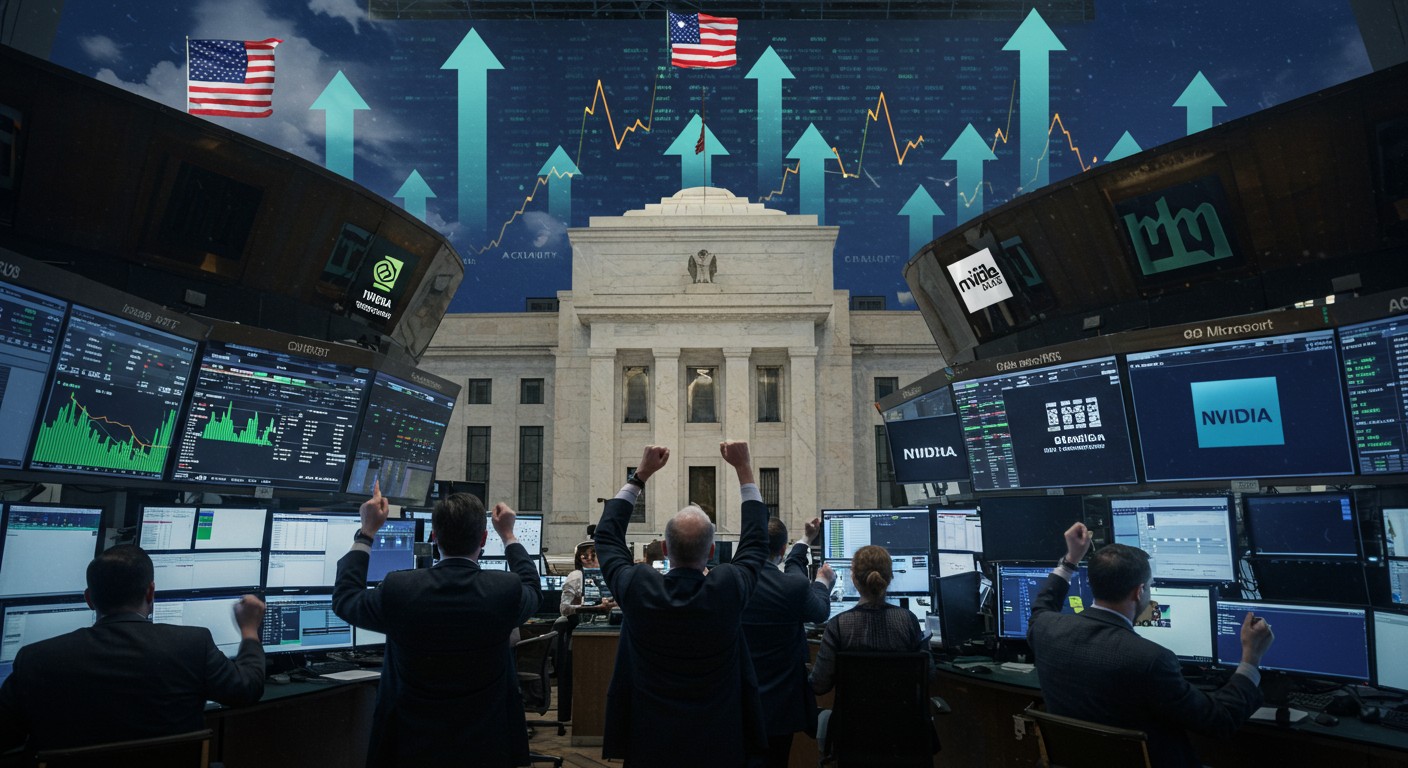
Meanwhile, the broader U.S. Stock market remains near record highs, with the S&P 500 and Nasdaq hitting new peaks Friday amid AI-driven optimism. However, Monday’s opening dip signals that geopolitical risks may now overshadow near-term gains.
Geopolitical Context: What Happened with Iran’s Peace Proposal?
Iran’s latest peace proposal, submitted through backchannel negotiations, sought to de-escalate tensions in the Strait of Hormuz and reduce proxy conflicts in the Middle East. The proposal included a three-phase plan: immediate ceasefire in Yemen, followed by confidence-building measures, and finally, broader diplomatic talks.
However, the Trump administration has not publicly acknowledged receiving the proposal, let alone responding to it. A White House spokesperson stated in a briefing Friday that “the U.S. Remains committed to a diplomatic solution but will not engage in negotiations without clear Iranian commitments to cease hostile actions.” The spokesperson declined to comment further on the specific proposal’s contents or timing.
This stance contrasts with recent private diplomatic efforts, where U.S. And Iranian officials have held indirect talks in Oman and Iraq. The rejection of the latest proposal could signal a hardening of the Trump administration’s position ahead of a critical congressional vote on additional sanctions against Iran.
Market Impact: AI Optimism vs. Geopolitical Risks
The U.S. Stock market’s recent rally has been largely driven by artificial intelligence, with tech giants like Microsoft, Nvidia, and Meta leading gains. The S&P 500 and Nasdaq hit record highs Friday, with the Nasdaq Composite up nearly 1.2% on the session. However, Monday’s opening dip reflects growing concerns that geopolitical risks could derail this momentum.
Analysts at Goldman Sachs note that while AI-driven stocks have outperformed, their sensitivity to geopolitical shocks remains high. “The market is in a delicate balance,” said Jan Hatzius, chief economist at Goldman Sachs. “If tensions escalate, we could see a rapid reallocation of capital away from tech and into safer assets like Treasuries.”
Meanwhile, the U.S. Treasury yield curve remains flat, with the 10-year yield hovering around 3.8%, suggesting investors are still pricing in a soft landing for the economy despite the geopolitical uncertainties.
Key Takeaways
- Market Reaction: U.S. Futures contracts opened lower Monday after Trump rejected Iran’s peace proposal, signaling heightened geopolitical risk.
- Geopolitical Context: Iran’s proposal included a three-phase plan for de-escalation, but the U.S. Has not engaged, citing lack of Iranian commitments.
- AI vs. Geopolitics: While AI-driven stocks remain near record highs, Monday’s dip highlights the market’s vulnerability to Middle East tensions.
- Next Steps: Investors are watching for further White House statements on Iran, as well as the outcome of the upcoming congressional sanctions vote.
- Broader Impact: The situation could influence Fed policy expectations, particularly if risk aversion leads to a flight to safety in bonds.
What Happens Next? Market Watchers Weigh In
Market participants are now focused on three key developments:
- White House Clarification: Will the administration provide any details on the rejected Iran proposal, or maintain its current stance of non-engagement?
- Congressional Vote: The House is expected to vote on additional Iran sanctions next week, which could further complicate diplomatic efforts.
- Middle East Monitoring: Any signs of escalation in the Strait of Hormuz or Yemen could trigger sharp market reactions.
For now, traders are adopting a wait-and-see approach. “The market is in a holding pattern,” said Lynn Forester de Rothschild, CEO of E.L. Rothschild. “We need clarity on both the diplomatic front and the Fed’s next move before making any major shifts in portfolios.”
Meanwhile, the Federal Reserve’s next policy meeting on June 12 remains a critical date. If the central bank signals further rate cuts in response to slowing growth or rising geopolitical risks, it could provide additional support to equities.
What do you think? Will the market’s AI-driven rally continue despite geopolitical risks, or are we heading for a correction? Share your views in the comments below.
For real-time updates on U.S. Futures and geopolitical developments, follow World Today Journal’s Business section.
FAQ: U.S. Futures, Iran, and Market Risks
Q: Why are U.S. Futures contracts falling today?
Futures contracts opened lower Monday due to heightened geopolitical uncertainty following President Trump’s rejection of Iran’s peace proposal. Investors are concerned about potential escalation in the Middle East, which could disrupt global oil supplies and trigger a risk-off sentiment in markets.
Q: How does this affect AI-driven stocks?
AI stocks have been leading the recent market rally, but they are also highly sensitive to geopolitical risks. If tensions escalate, investors may shift capital away from tech and into safer assets like Treasuries, which could pressure AI-related equities.
Q: What is Iran’s peace proposal?
Iran’s latest proposal includes a three-phase plan: an immediate ceasefire in Yemen, followed by confidence-building measures, and finally, broader diplomatic talks. The U.S. Has not publicly acknowledged receiving the proposal, let alone responding to it.
Q: When will we know more?
The next critical developments will likely come from:
- A White House statement on Iran (expected within 48 hours).
- The House vote on Iran sanctions (scheduled for next week).
- Any signs of escalation in the Strait of Hormuz or Yemen.
Q: Should investors be worried?
While the immediate market reaction is negative, the broader U.S. Economy remains resilient. The Fed’s next meeting on June 12 will be a key indicator of whether policymakers are prepared to ease monetary policy in response to geopolitical risks.
Keep reading