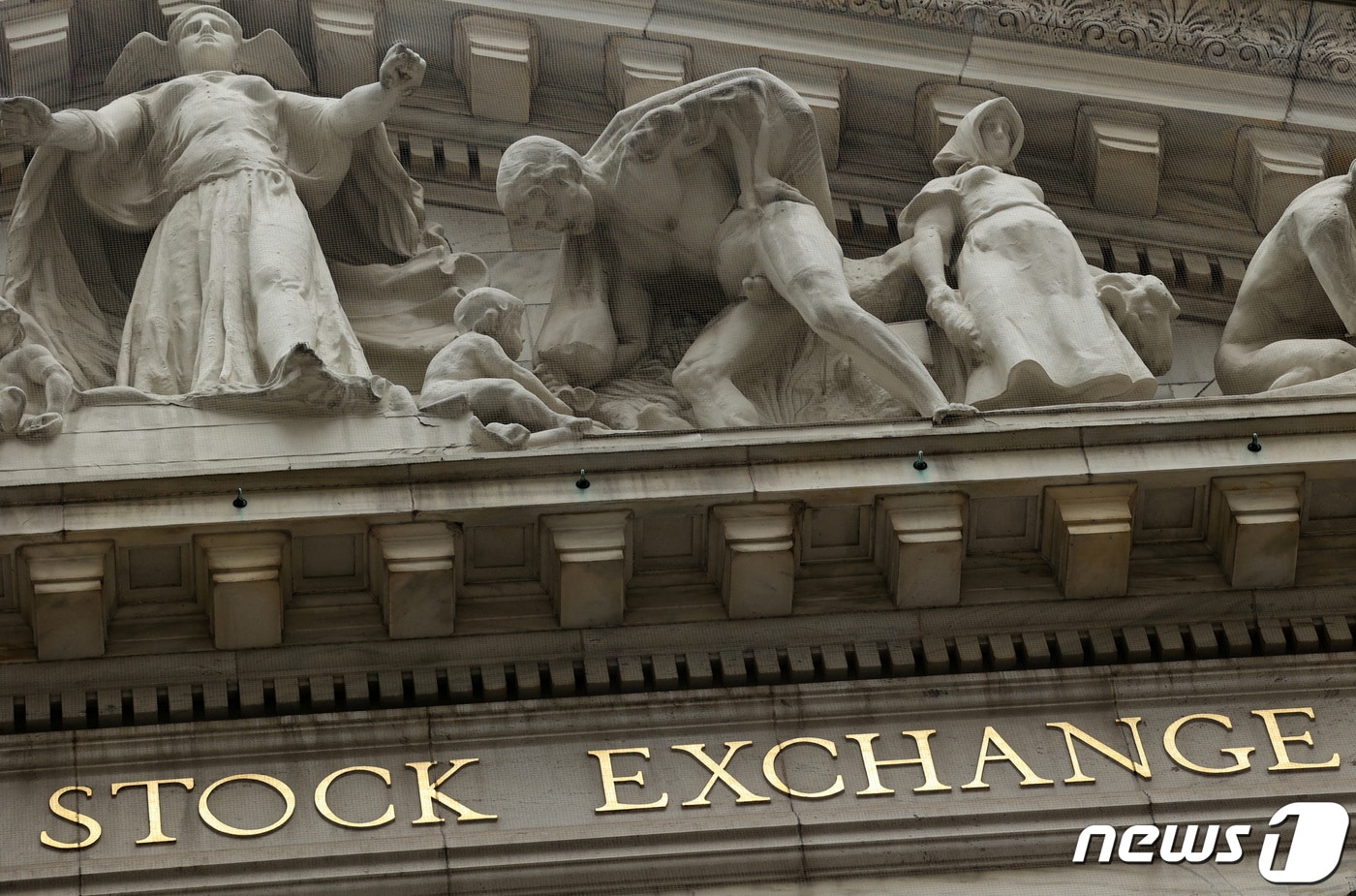
Wall Street opened with a positive trajectory on Tuesday, April 14, 2026, as investors reacted to growing optimism surrounding potential diplomatic breakthroughs in the Middle East. The New York stock market rally was primarily driven by expectations that the United States and Iran may engage in a second round of negotiations, providing a much-needed reprieve from geopolitical tensions that have historically triggered market volatility.
Early trading data indicates a steady climb across major indices. The Dow Jones Industrial Average started the session higher, reflecting a broader sentiment of recovery as traders pivot from war-related losses toward a more optimistic outlook. This shift comes after reports surfaced regarding clandestine contacts between Washington and Tehran, suggesting a willingness to engage in dialogue to stabilize the region.
The momentum follows a strong performance from the previous trading session on April 13, where the Dow Jones Industrial Average closed at 48,218.25, marking a gain of 301.68 points, or 0.63%. As of 11:44 AM GMT-4 on April 14, the index continued its upward trend, reaching 48,517.29.
Diplomatic Optimism and Market Sentiment
The primary catalyst for the current market behavior is the anticipation of a second round of talks between the U.S. And Iran. Market participants are closely monitoring these developments, as a successful agreement could significantly reduce the “geopolitical risk premium” that often weighs down equity markets. The prospect of reduced conflict in the Middle East is viewed as a stabilizing force for global trade and energy markets.
This optimism is not limited to the Dow. Other major indices have shown similar strength. The S&P 500 was reported to have risen by 1.0% and the Nasdaq by 1.2% during the previous session’s close, as investors sought to recover losses previously attributed to regional conflicts. The broader trend suggests that the market is currently more sensitive to the possibility of diplomatic resolution than to the ongoing “push-and-pull” nature of the negotiations.
Energy markets have also reacted to these shifting dynamics. On the London ICE Futures Exchange, June Brent crude oil futures closed at 99.36 dollars per barrel, an increase of 4.16 dollars or 4.37% from the previous session. This volatility in oil prices often correlates with the perceived stability of the Middle East, directly impacting the operational costs of the 30 blue-chip companies that comprise the Dow Jones Industrial Average.
Analyzing the Dow Jones Industrial Average Performance
The Dow Jones Industrial Average, often referred to as the Dow 30, serves as a critical barometer for the health of the U.S. Economy by tracking 30 leading blue-chip companies. Since it uses a price-weighted average to calculate its value, the index is sensitive to the stock prices of its largest components.
Recent data highlights the current volatility and recovery phase of the index:
- Current Value: 48,517.29 (as of April 14, 11:44 AM GMT-4)
- Previous Close: 48,218.25
- Daily Range: 48,192.30 – 48,553.70
- 52-Week Range: 37,830.66 – 50,512.79
The fact that the index is trading well above its 52-week low of 37,830.66 suggests a strong long-term recovery, although it remains below its peak of 50,512.79. The current upward movement indicates that investors are regaining confidence in the stability of these high-cap stocks amidst the fluctuating diplomatic landscape.
Broader Market Context and Comparative Indices
To understand the scale of the New York stock market rally, it is useful to compare the Dow’s performance with other global and domestic benchmarks. The synchronized rise across different asset classes suggests a global appetite for risk following the news of potential U.S.-Iran rapprochement.
| Index | Value | Change (%) |
|---|---|---|
| S&P 500 | 6,952.75 | 0.97% |
| Nasdaq Composite | 23,542.77 | 1.55% |
| Nikkei 225 | 57,877.39 | 2.43% |
| DAX | 24,043.08 | 1.27% |
| Russell 2000 | 2,707.37 | 1.38% |
The significant jump in the Nikkei 225 and the DAX indicates that the “optimism” is not localized to New York but is a global reaction to the potential for decreased tension in the Middle East. The Nasdaq’s 1.55% rise further emphasizes a strong return to growth-oriented stocks, which are typically more sensitive to global stability and interest rate expectations.
What This Means for Investors
For the average investor, this rally signifies a transition from a “defensive” posture—where capital is moved into safe-haven assets like gold or government bonds—back into “risk-on” assets like equities. The primary driver here is the removal of a perceived threat (regional war) rather than a fundamental change in corporate earnings or monetary policy.

However, the market remains cautious. The “push-and-pull” nature of the negotiations mentioned in reports suggests that while the possibility of a second round of talks is positive, a finalized agreement is not yet guaranteed. This creates a environment of high volatility where a single diplomatic setback could quickly reverse the current gains.
Key Takeaways for the Trading Session
- Diplomatic Catalyst: The rally is heavily tied to reports of U.S.-Iran contacts and the anticipation of a second round of negotiations.
- Broad-Based Gains: Growth is visible across the Dow, S&P 500, and Nasdaq, as well as international indices like the Nikkei and DAX.
- Energy Impact: Brent crude oil prices have seen a sharp increase, closing at 99.36 dollars per barrel, reflecting the complex intersection of geopolitical tension and supply expectations.
- Recovery Phase: The Dow is successfully rebounding from previous losses, though it has not yet returned to its 52-week high of 50,512.79.
As the trading day progresses, the focus will remain on any official statements from the U.S. Government or Iranian officials regarding the timeline and agenda for the proposed talks. Investors are likely to remain sensitive to any news that confirms the transition from “under-the-table” contacts to formal diplomatic sessions.
The next confirmed checkpoint for market participants will be the official confirmation or denial of the second round of U.S.-Iran negotiations by the respective foreign ministries. We will continue to monitor these developments as they unfold.
Do you think diplomatic breakthroughs are the primary driver of this rally, or are other economic factors at play? Share your thoughts in the comments below and share this analysis with your network.
Keep reading