
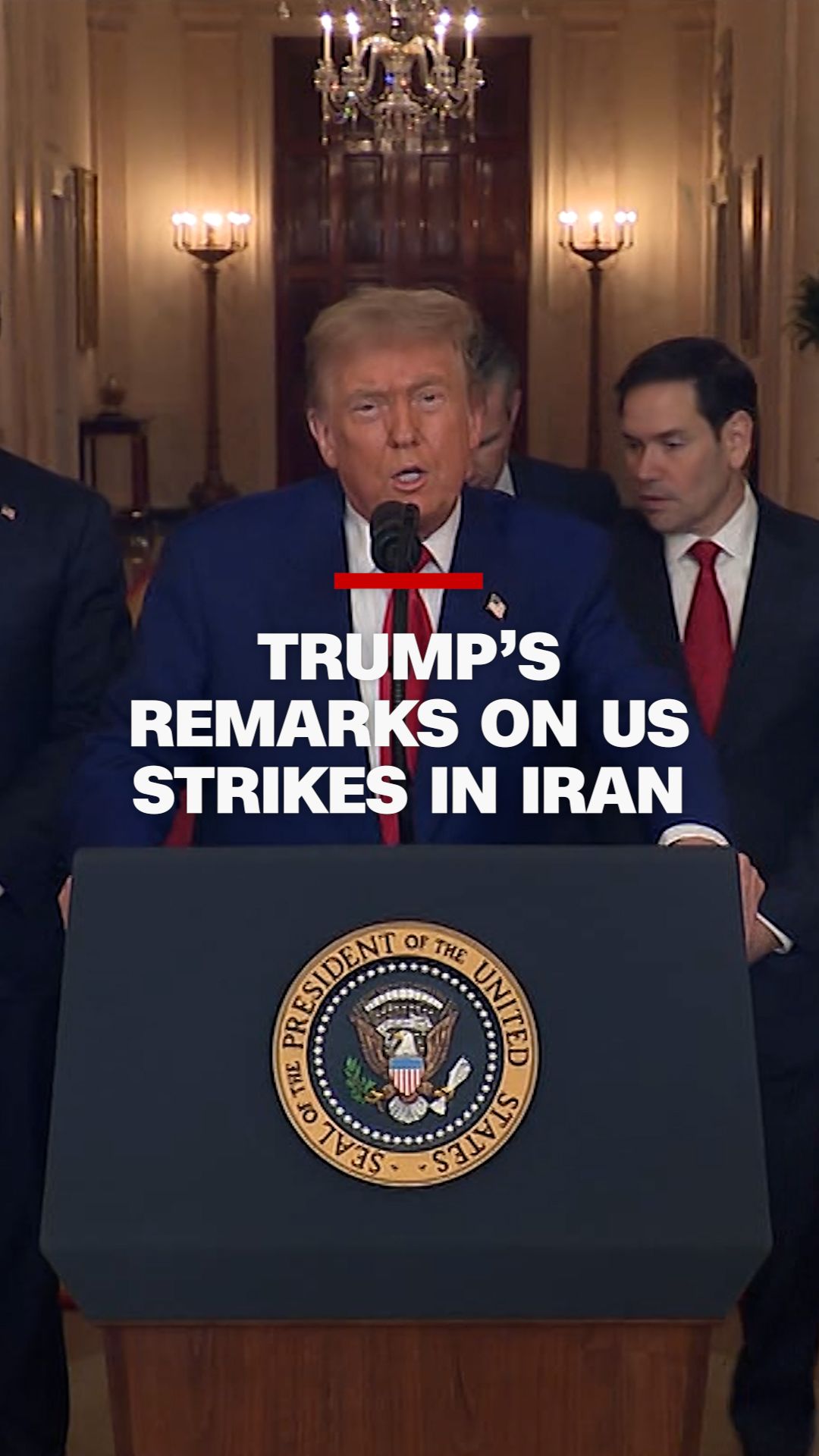
Wall Street is currently navigating a complex intersection of geopolitical tension and economic optimism. Despite ongoing volatility surrounding the conflict involving Iran, the New York Stock Market has shown surprising resilience, with major indexes trending upward as investors signal a belief that the current hostilities may be nearing a resolution.
The prevailing sentiment among traders appears to be a “risk-on” approach, defying the typical flight to safety that accompanies Middle East instability. This market behavior suggests that the financial sector is pricing in a diplomatic breakthrough or a cooling of tensions, even as official channels provide conflicting reports regarding the status of a ceasefire.
While geopolitical headlines often trigger immediate sell-offs, the current bounce on Wall Street is being driven by a combination of strong domestic economic indicators and a strategic bet on the conclusion of the Iran conflict. This divergence between political rhetoric and market action highlights a growing confidence in the stability of the U.S. Economy amidst global unrest.
Wall Street Defies Geopolitical Headwinds
The New York Stock Market has seen a notable recovery, with three major indexes rising despite reports that Iran has denied the existence of a ceasefire. This upward movement indicates that market participants are looking past immediate denials and focusing on the broader trajectory of the conflict. According to reports, the three major indexes have risen even in the face of these diplomatic contradictions.

The rally is not uniform across all sectors, but it is being led by high-growth areas. Specifically, technology stocks and banking institutions have been the primary engines behind the Wall Street bounce. This suggests that investors are prioritizing growth and financial stability over the perceived risks of regional war in the Middle East.
The soaring nature of the market is sending a clear message to analysts: the investment community expects the Iran war to end soon. This expectation is creating a buffer that prevents the typical sharp declines usually associated with threats of escalation in the Persian Gulf. As noted by market observations, the stock market’s current trajectory reflects an anticipation of peace rather than a fear of prolonged war.
Commodity Shifts: Oil and Gold
The reaction in the commodities market provides further evidence of the shift in investor sentiment. Typically, war in the Middle East drives oil prices higher due to supply chain fears and pushes gold prices up as a safe-haven asset. However, the current trend is inverse.
Oil prices have fallen, coinciding with the rise in stock indexes. This drop in energy costs suggests that the market no longer views a massive disruption of oil exports from the region as an imminent certainty. The decline in oil prices often acts as a catalyst for broader market growth, as lower energy costs reduce overhead for corporations and lower inflation pressures for consumers.
Similarly, gold—the traditional hedge against geopolitical chaos—has begun to wane. The softening of gold prices, paired with strong jobs data, indicates that investors are moving capital out of defensive assets and back into equities. As reported by Reuters, the combination of waning gold prices and robust employment figures has contributed to the overall bounce on Wall Street.
What This Means for Global Investors
For the global investor, the current state of the New York Stock Market illustrates a “decoupling” of market performance from immediate geopolitical headlines. While the situation with Iran remains volatile, the market is weighing the long-term economic outlook and the likelihood of a diplomatic resolution more heavily than short-term rhetoric.
The primary drivers of this current phase include:
- Tech and Bank Leadership: The recovery is anchored by the strongest sectors of the U.S. Economy, which are less directly impacted by regional conflicts than energy or shipping.
- Economic Data: Strong jobs data is providing a fundamental floor for the market, ensuring that domestic growth remains a priority over international instability.
- Speculative Optimism: The belief that the conflict will end soon is acting as a psychological catalyst for buying.
However, this optimism remains fragile. Since the market is currently basing its gains on the expectation of an end to the war, any sudden, verifiable escalation could lead to a rapid reversal of these gains. The current stability is a bet on diplomacy, and the stakes remain high for those heavily leveraged in the equity markets.
Key Market Indicators at a Glance
| Indicator | Current Trend | Market Implication |
|---|---|---|
| Major Stock Indexes | Rising | Expectation of conflict resolution |
| Oil Prices | Falling | Reduced fear of supply disruption |
| Gold Prices | Waning | Shift from safe-haven to risk assets |
| Tech/Bank Stocks | Leading Growth | Confidence in U.S. Economic fundamentals |
The next critical checkpoint for investors will be the emergence of verified diplomatic communications or official government statements regarding a formal ceasefire agreement. Until such a confirmation is reached, the market will likely continue to fluctuate based on the balance between strong economic data and geopolitical signals.
We invite our readers to share their perspectives on these market shifts in the comments below. Do you believe the market is overestimating the likelihood of peace, or is Wall Street correctly identifying a turning point?