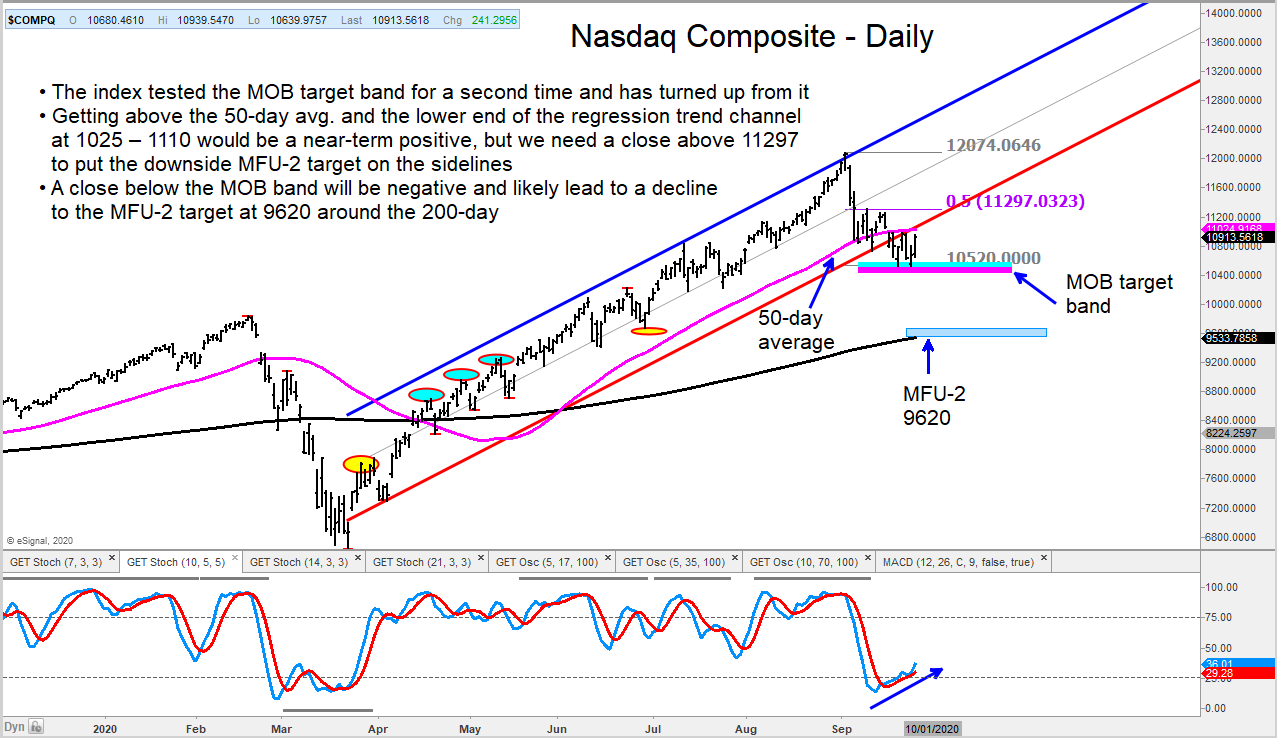
Wall Street saw a significant surge as investors reacted to easing geopolitical tensions, with the Nasdaq Composite climbing 2.5% in a broad market rally. The shift in sentiment followed signals from the White House regarding potential diplomatic resolutions in ongoing international conflicts, which helped stabilize energy markets and calmed concerns over supply chain disruptions. According to market data from the New York Stock Exchange, the positive movement reflected a wider recovery across major indices, as traders moved away from defensive positions and back into growth-oriented assets.
The rally was largely driven by a cooling in oil prices, a direct response to reports that the immediate threat of military escalation in the Middle East had subsided. When the risk of conflict decreases, global markets typically experience a reduction in volatility, as seen in the fluctuations of the S&P 500 and the Dow Jones Industrial Average during mid-day trading sessions. Institutional investors, who had previously increased their holdings in safe-haven assets like gold and government bonds, began reallocating capital toward technology and industrial sectors, fueling the 2.5% gain in the tech-heavy Nasdaq.
Market Response to Diplomatic Signals
The primary catalyst for the market’s upward trajectory was the expectation of de-escalation between the United States and Iran. Financial analysts noted that the rebound was consistent with historical patterns where stock prices inversely correlate with geopolitical risk premiums. As the likelihood of a direct military confrontation diminished, the “fear gauge”—the CBOE Volatility Index (VIX)—dropped, signaling a return of confidence among retail and institutional market participants.
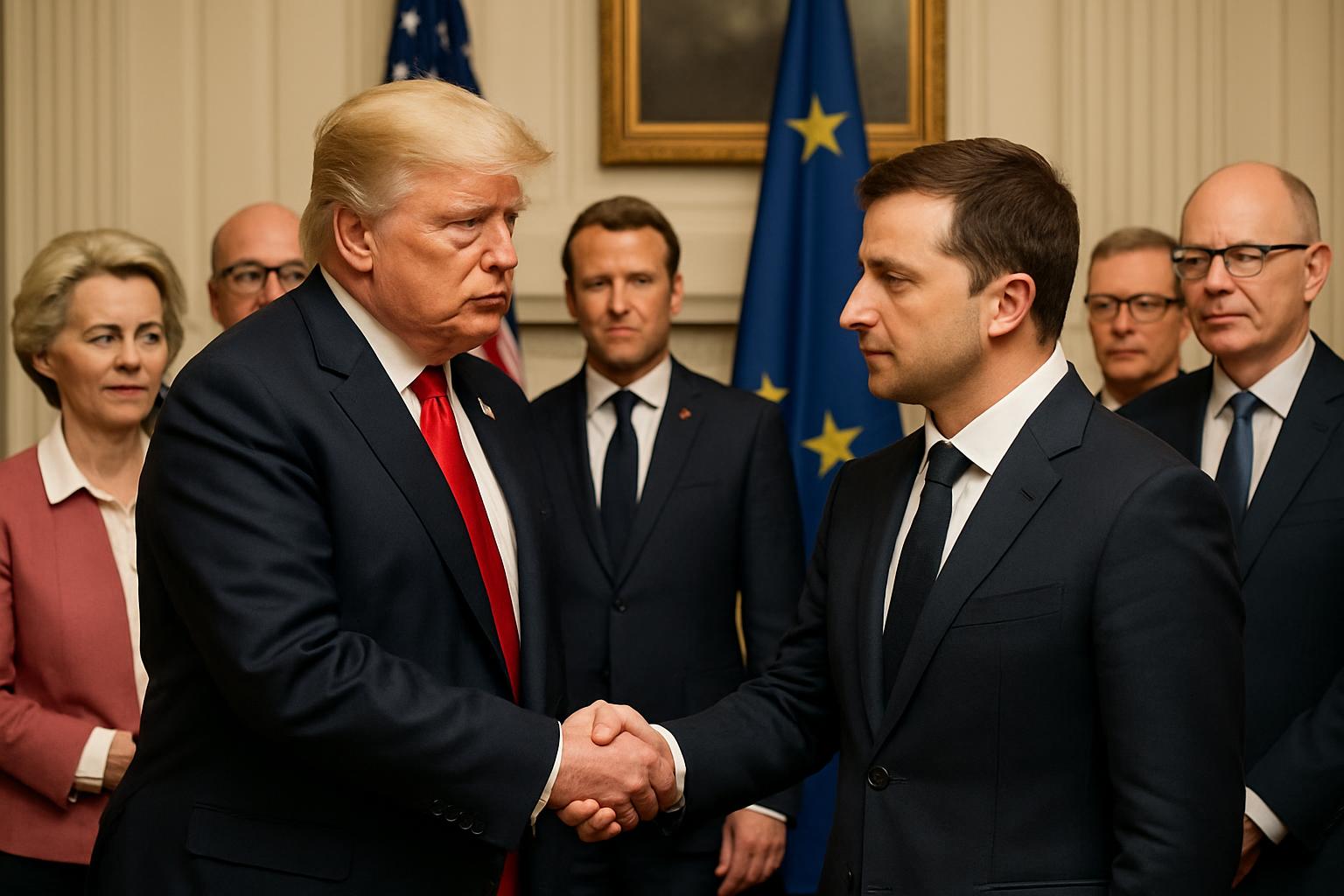
This shift in sentiment highlights the sensitivity of modern equity markets to executive rhetoric. Because global supply chains remain tightly integrated, any threat to the Strait of Hormuz—a critical chokepoint for global oil transit—is immediately priced into futures contracts. When diplomatic channels appear to open, the resulting drop in crude oil prices acts as a tax cut for consumers and a margin booster for energy-intensive industries, providing a dual benefit that powers broad-based market rallies.
Understanding the Impact on Energy and Tech
Energy prices serve as a bellwether for investor sentiment during periods of high geopolitical tension. According to the International Energy Agency, stability in the Middle East is essential for maintaining predictable global oil supply levels. When the threat of conflict is perceived to be lower, oil futures typically retreat, which reduces inflationary pressures on the manufacturing and transportation sectors. This environment is particularly favorable for technology companies, which benefit from lower operating costs and higher consumer discretionary spending power.
For investors, the recent volatility serves as a reminder of the importance of monitoring macroeconomic indicators alongside geopolitical developments. While the 2.5% gain in the Nasdaq is notable, market participants remain focused on upcoming economic data releases, including the Federal Reserve’s preferred inflation metrics. The ability of the market to sustain these gains will likely depend on whether the current diplomatic optimism translates into long-term stability in energy markets.
What Investors Should Watch Next
The next major checkpoint for market stability involves official updates regarding international trade and security agreements. Investors are encouraged to monitor the U.S. Department of the Treasury and the U.S. Department of State for formal announcements that could impact global trade relations. Market analysts suggest that while the immediate “war premium” has been removed from asset prices, the path forward remains dependent on sustained communication between the involved international parties.
As the fiscal quarter draws to a close, market participants will be closely watching corporate earnings reports to see if the recent geopolitical uncertainty affected bottom-line performance for firms with significant international exposure. Readers interested in tracking these developments should look for upcoming briefings from the White House and scheduled updates from the Federal Reserve regarding interest rate policy. Please share your thoughts on the market’s recent performance in the comments section below.