
US-Iran Tensions Escalate: Strait of Hormuz Under Missile Fire After Clash Over Iranian Tanker
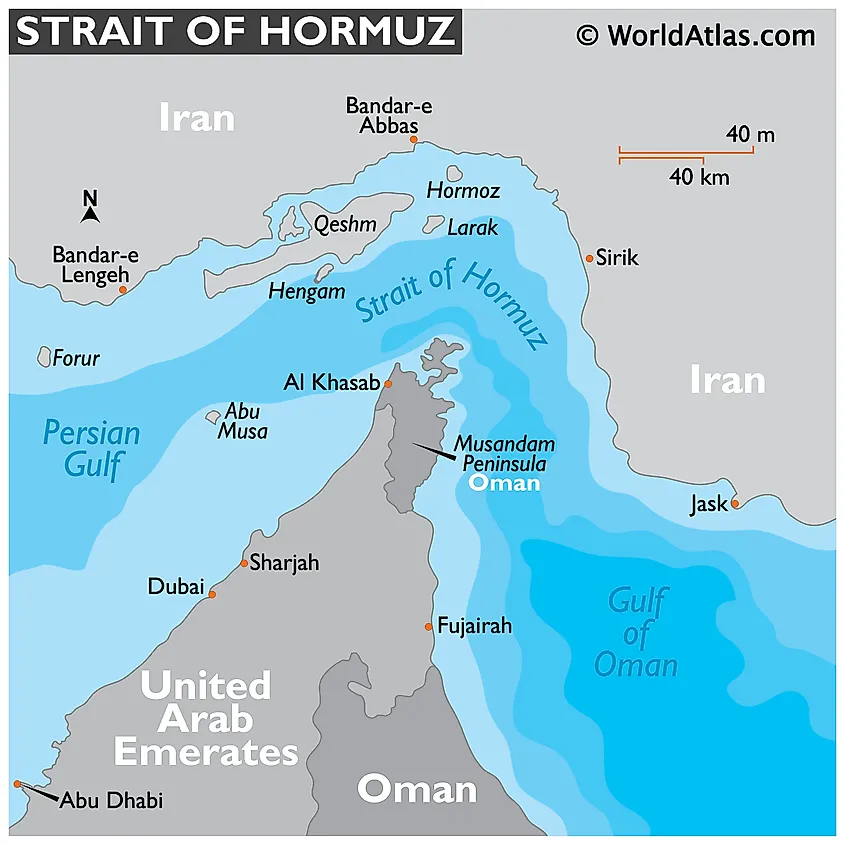
Tensions between the United States and Iran have reached a dangerous new flashpoint in the Strait of Hormuz, a vital global shipping chokepoint through which roughly one-fifth of the world’s oil passes daily. Iranian state media reported Thursday that US naval forces came under missile fire following a US military strike on an Iranian oil tanker earlier in the day, marking a direct escalation in a region already on edge after months of fragile ceasefire negotiations.
The latest exchange of fire raises urgent questions about the future of the Strait of Hormuz—a waterway that serves as the economic lifeline for nations from Asia to Europe—and whether the two countries can avoid a wider confrontation. With global oil markets already volatile and shipping insurance premiums rising, the incident has sent shockwaves through international trade corridors. Analysts warn that even a limited conflict in the strait could trigger a regional conflagration, drawing in allied powers and disrupting supply chains that underpin the global economy.
According to Iranian state television, the missile strikes occurred after the US military targeted an Iranian oil tanker near the Strait of Hormuz. The Iranian Revolutionary Guard Corps (IRGC) accused Washington of violating a ceasefire agreement reached in February, though neither side has formally confirmed the existence of such an accord. The US State Department has not commented on the Iranian allegations, but senior Pentagon officials have indicated that the strike was a “proportionate response” to recent Iranian actions in the region.
Timeline of Events: How the Strait of Hormuz Became the Latest Flashpoint
While the immediate trigger for Thursday’s exchange appears to be the US strike on the Iranian tanker, the broader context traces back to a series of incidents over the past two months that have strained US-Iran relations:
- April 12, 2026: Iranian-backed Houthi rebels in Yemen fired missiles at commercial ships in the Red Sea, prompting US-led naval patrols to increase presence in the Bab al-Mandeb Strait.
- April 28, 2026: The US Navy intercepted an Iranian dhow vessel in the Arabian Sea carrying weapons bound for Yemen, a move Tehran condemned as “piracy.”
- May 1, 2026: Iranian state media reported a “drone attack” on an Iranian oil platform in the Persian Gulf, which the US denied involvement in.
- May 6, 2026: The US military conducted a “precision strike” on Iranian military facilities in the southern province of Hormozgan, citing intelligence that Iran was preparing to launch attacks on US forces in the region.
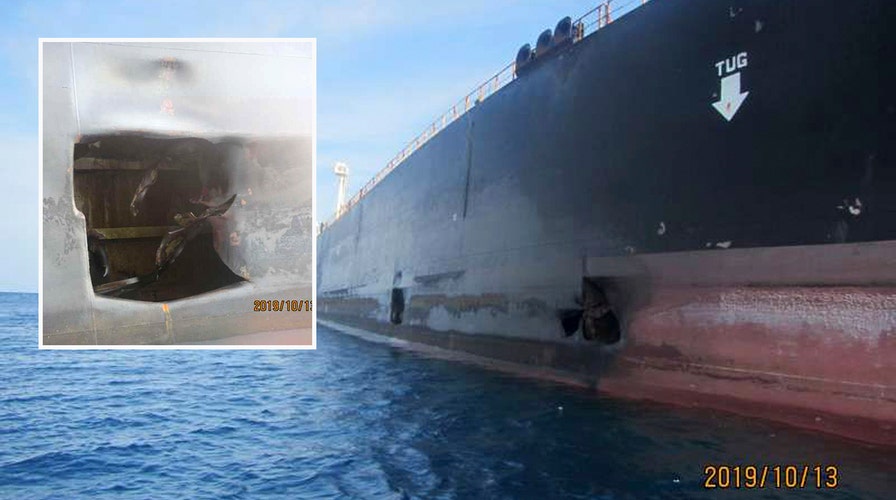
The most recent incident appears to have unfolded in two phases: first, the US strike on the Iranian tanker—reportedly the MT Saviz, a vessel flagged in Panama but owned by an entity linked to Iran’s Islamic Revolutionary Guard Corps (IRGC)—followed by Iranian retaliation targeting US naval assets in the strait. While Iranian officials have claimed no casualties, US military sources have not provided an official count of any damages or injuries.
Key verified details:
- The Strait of Hormuz is approximately 21 miles wide at its narrowest point, with depths exceeding 300 feet, making it a prime target for naval blockades.
- According to the International Energy Agency, nearly 21 million barrels of oil pass through the strait daily—equivalent to roughly 35% of seaborne oil trade.
- The US Fifth Fleet, based in Bahrain, maintains a constant presence in the region with aircraft carriers, destroyers, and patrol vessels.
What Happened: The Sequence of Events
Iranian state media, citing the IRGC, reported that the US military struck the Iranian tanker MT Saviz as it was transiting the Strait of Hormuz. The attack occurred around 08:45 local time (04:15 GMT), according to Iranian officials. In response, the IRGC launched missile strikes targeting “enemy units” in the strait, though the exact nature of the US assets hit remains unclear.
“The US military’s aggression has crossed all red lines. We will respond with full force to any violation of our territorial waters and maritime rights.”
The US military has not publicly acknowledged the Iranian claims of missile strikes, but a Pentagon spokesperson provided the following statement to World Today Journal:
“The United States takes all necessary measures to defend our personnel and assets in the region. Any threats to international shipping or our forces will be met with a decisive response.”
What is clear is that the incident has occurred against the backdrop of a proposed ceasefire framework negotiated through backchannel diplomacy in recent weeks. While neither side has confirmed the agreement’s terms, leaked documents suggest it included:
- Reduced naval patrols by both sides in the Strait of Hormuz
- A commitment to halt attacks on commercial shipping
- Limited military exercises in the region
Analysts warn that the current escalation could derail these efforts, particularly if the US interprets the Iranian response as a violation of the ceasefire terms.
Regional and Global Implications: Who Stands to Lose?
The Strait of Hormuz is more than just a waterway—it is the linchpin of global energy security. A prolonged disruption could have cascading effects:
1. Oil Markets: The Immediate Casualty
Brent crude oil futures spiked by nearly 5% on Thursday morning following reports of the incident, reaching their highest level since the 2022 Ukraine war. With global oil inventories already tight due to OPEC+ production cuts, even a temporary closure of the strait could push prices above $100 per barrel, triggering inflationary pressures in economies already struggling with cost-of-living crises.
Japan, South Korea, and India—three of the world’s largest oil importers—rely on the Strait of Hormuz for over 90% of their seaborne crude supplies. A prolonged conflict could force these nations to tap into strategic reserves, as they did during the 2019 tanker seizures by Iran.
2. Shipping and Insurance: The Hidden Costs
Maritime insurance premiums for vessels transiting the Strait of Hormuz have already risen by 40% since January, according to Lloyd’s List. The latest incident is likely to push rates higher, with some underwriters now requiring armed guards on tankers passing through the region.
Companies like Maersk and CMA CGM, which operate some of the world’s largest container fleets, have begun rerouting ships around the Cape of Good Hope—a detour that adds 10–14 days to voyage times and increases fuel costs by 30–50%. This could lead to higher consumer prices for goods ranging from electronics to automobiles.
3. Geopolitical Fallout: Allies and Adversaries
The US has recently strengthened ties with Saudi Arabia and the UAE as part of a broader strategy to counter Iranian influence in the Gulf. Riyadh and Abu Dhabi have publicly condemned Iranian actions in the strait, with Saudi Arabia’s Crown Prince Mohammed bin Salman stating:
“Any attack on international shipping in the Strait of Hormuz is an attack on global stability. The international community must hold Iran accountable for its actions.”
Meanwhile, China—Iran’s largest trading partner—has called for “restraint” from all parties, reflecting Beijing’s delicate balancing act between maintaining energy supplies and avoiding direct confrontation with the US. Iranian state media has accused China of “abandoning its allies,” though Chinese officials have denied any shift in policy.
What Comes Next: Possible Scenarios
With both sides dug in and no clear de-escalation path, several outcomes remain possible:
Key Takeaways: The Road Ahead
- Escalation Risk: The US could respond with additional strikes on Iranian military assets, potentially drawing in Israel or Gulf allies.
- Diplomatic Push: Backchannel negotiations may resume, with regional powers like Oman and Qatar acting as intermediaries.
- Economic Impact: Oil prices could remain volatile, with potential spillover effects on global stock markets.
- Shipping Disruptions: Insurance costs and rerouting may persist, increasing costs for consumers worldwide.
- Ceasefire Collapse: If neither side backs down, the fragile agreement could unravel entirely, raising risks of direct conflict.
The next critical checkpoint will be a United Nations Security Council emergency session scheduled for Friday, May 8, at 10:00 GMT. Both the US and Iran are expected to present their cases, with Russia and China likely to call for restraint. The Council’s ability to reach a unified statement will be a key indicator of whether diplomatic solutions remain viable.
In the meantime, the US Navy has increased its presence in the region, with the aircraft carrier USS Dwight D. Eisenhower now operating in the Arabian Sea. Iranian state media has warned of “further retaliation” if US forces continue their “aggressive actions.”
How to Stay Informed: Official Updates and Resources
For real-time developments, readers can monitor:
- US Department of State – Official US government statements
- US Department of Defense – Military operations updates
- Iranian News Agency (IRNA) – Iranian government statements
- International Energy Agency – Oil market analysis
- Lloyd’s List – Maritime security updates
What do you think? Will this incident lead to a broader conflict, or can diplomacy still prevail? Share your analysis in the comments below—or tag @WorldTodayJrnl to join the conversation.
For breaking updates, subscribe to our Middle East Conflict Alerts newsletter.
Related reading