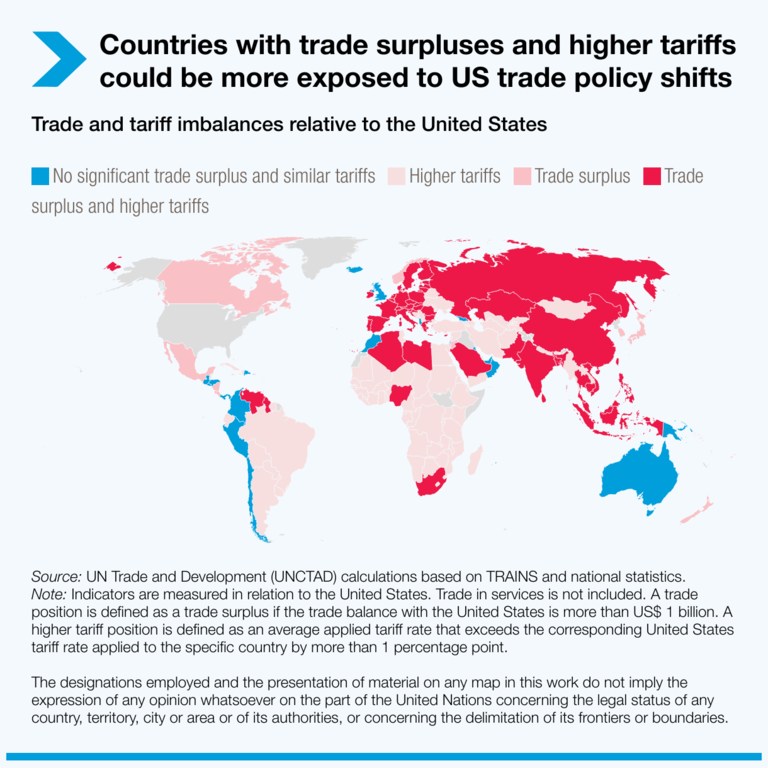
International trade policy faces a period of heightened uncertainty as global markets react to proposals for a 15% universal tariff on imports into the United States. Proposed by President-elect Donald Trump during his campaign, the potential shift in trade strategy has prompted warnings from European officials regarding the stability of international trade agreements and the enforceability of future commitments. The move represents a potential departure from established trade norms, raising concerns about the impact on global supply chains and the competitiveness of export-reliant economies.
The proposed tariff structure, which would apply a broad levy on goods entering the U.S. regardless of origin, has triggered concerns among major trading partners. According to the World Trade Organization (WTO), such unilateral measures often invite retaliatory actions, potentially leading to a broader trade conflict. European Union officials have emphasized that existing trade agreements are not mere suggestions but legally binding frameworks, signaling that any attempt to circumvent these rules could lead to significant diplomatic and economic friction.
The Mechanics of Universal Tariff Proposals
The core of the current debate centers on the economic impact of a 15% universal tariff, a policy aimed at incentivizing domestic production and reducing the U.S. trade deficit. Proponents argue that such measures protect domestic industries from foreign competition, while critics, including various international trade analysts, warn of increased costs for consumers and manufacturers who rely on global components. The Peterson Institute for International Economics has noted that broad-based tariffs could lead to higher prices for imported intermediate goods, effectively taxing domestic companies that integrate these items into their final products.
For industries such as electronics and automotive manufacturing, which often operate on thin margins and complex cross-border supply chains, a 15% surcharge represents a substantial increase in overhead. Historical precedents, such as the Section 301 tariffs implemented during the previous Trump administration, demonstrated the complexity of managing trade disputes while maintaining industry viability. Companies forced to navigate these new barriers often face difficult choices: absorbing the costs, passing them to consumers, or relocating production facilities to regions unaffected by specific tariffs.
Impact on Global Supply Chains and Regulatory Compliance
Beyond broad tariffs, the focus on supply chain ethics and labor practices has introduced further complexity for international firms. The U.S. has increasingly utilized legislation such as the Uyghur Forced Labor Prevention Act (UFLPA) to restrict imports suspected of being produced with forced labor. This legal framework requires companies to provide clear and convincing evidence that their supply chains are free of such practices, a standard that has resulted in the detention of shipments at U.S. ports.
For manufacturers with extensive footprints in Asia, these enforcement actions create a dual challenge: complying with shifting tariff policies while simultaneously meeting rigorous human rights documentation requirements. The U.S. Department of Labor maintains a list of goods produced by forced or child labor, which serves as a primary guide for customs enforcement. Failure to maintain transparency can lead to significant disruptions, as demonstrated by previous instances where major global brands faced temporary import bans due to insufficient documentation regarding their raw material sourcing.
Strategic Adaptations for Export-Oriented Businesses
As the geopolitical landscape shifts toward more protectionist stances, businesses in export-dependent nations are evaluating new strategies to maintain market access. Industry analysts suggest four primary actions for companies attempting to engage with Washington: diversifying supply chain logistics, deepening direct government relations, enhancing compliance transparency, and localized production within the U.S. market. These steps are designed to mitigate the risks associated with sudden policy changes.
The Office of the United States Trade Representative (USTR) serves as the primary body for handling trade negotiations and the implementation of tariff-related policies. Companies looking to minimize their exposure are increasingly seeking legal counsel to navigate the complexities of trade law and to understand the specific implications of executive orders versus congressional legislation. Effective advocacy, according to trade policy experts, requires a nuanced understanding of how U.S. domestic economic goals align—or conflict—with international trade obligations.
Future Outlook and Policy Checkpoints
Market observers are now looking toward the inauguration and the subsequent unveiling of the incoming administration’s official trade agenda. The next significant checkpoint for global markets will be the release of the administration’s formal budget and executive order priorities, which are expected in early 2025. These documents will provide the first concrete details on the scope, exemptions, and implementation timeline for any new tariff programs.

As discussions continue, the global business community remains in a state of high alert. The tension between national sovereignty in trade policy and the interconnected nature of the global economy remains the central challenge for the coming year. Stakeholders are encouraged to monitor updates from the U.S. Department of Commerce for official guidance on trade regulations and potential changes to existing agreements. We invite readers to share their analysis or experiences regarding supply chain adjustments in the comment section below.
Related reading
- Fight Mr. Scratch in Alan Wake’s American Nightmare: Arizona Shooting Action
- Colombia Car Bomb Explosion Injures Two Days After President’s Vow Against Armed Groups
- Tariff vs. Price Floor: What Trump's New Solar Rule Does (daybreakwire.com)
- Iran and Strait of Hormuz: Deal Prospects and Global Oil Impact (world-today-news.com)