The geopolitical landscape of the Middle East has reached a critical inflection point as tensions between Washington and Tehran escalate toward a potential full-scale maritime confrontation. With the failure of recent diplomatic efforts and a hardening of positions on both sides, the risk of a direct military clash is now a primary concern for global markets and international security observers.
The current volatility is centered on the strategic waterways of the Persian Gulf, where the United States has signaled a willingness to employ extreme measures to secure maritime passage. This escalation follows a period of intensifying hostilities and a series of unmet deadlines that have left the international community bracing for a significant shift in the conflict’s intensity.
At the heart of the crisis is the ongoing struggle over the Strait of Hormuz, a vital artery for global energy supplies. Recent reports indicate that Iran continues to refuse to reopen the Strait despite a deadline established by the Trump administration, creating a deadlock that threatens to destabilize global oil prices and shipping lanes Euronews.
Trump Warns of Severe Military Escalation
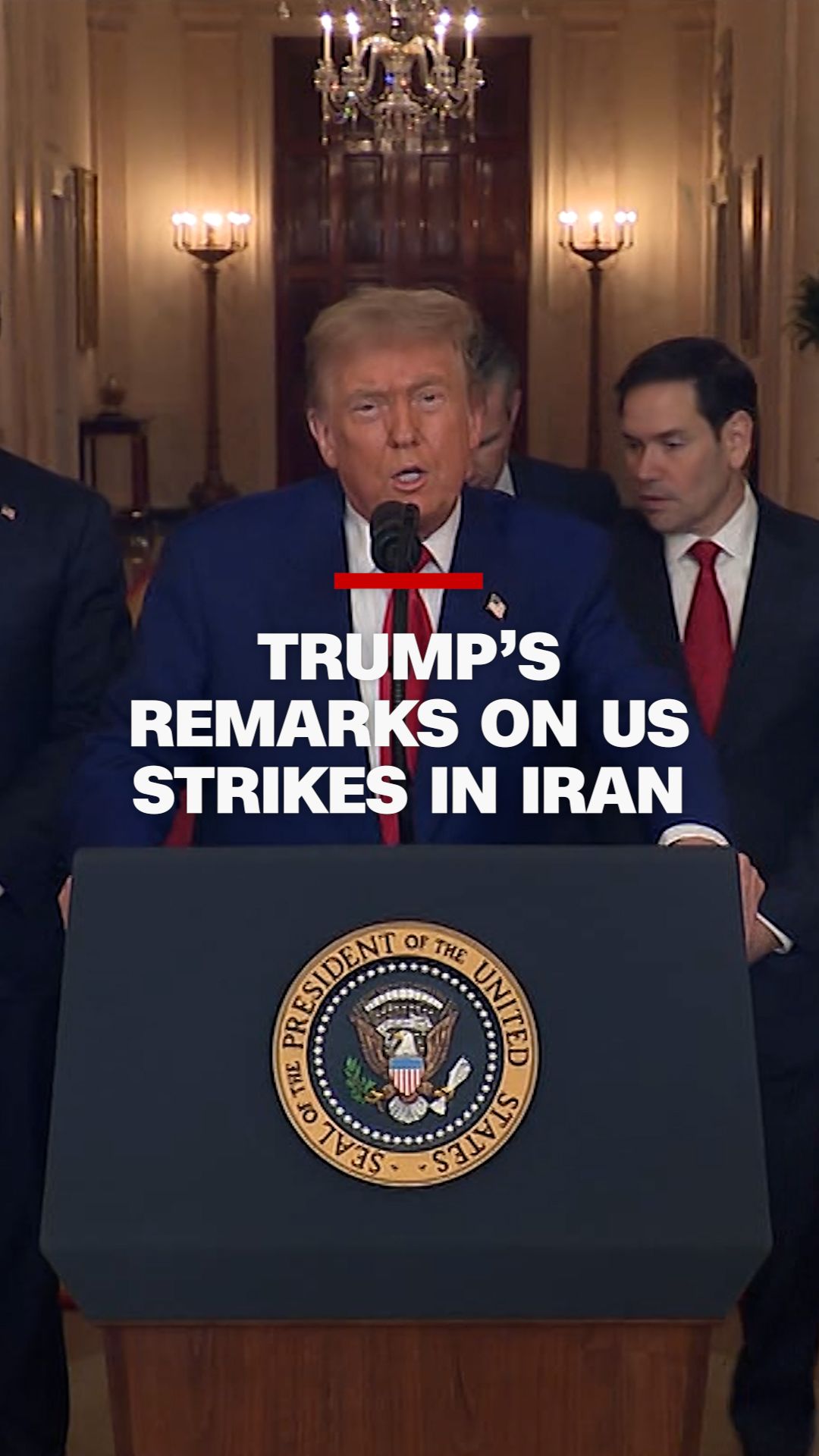
The rhetoric from the White House has shifted from diplomatic pressure to explicit warnings of military action. President Donald Trump has warned that the United States will hit Iran “extremely hard” within the next two to three weeks, signaling that the window for a negotiated settlement may be closing Politico.
This warning comes amidst reports that the U.S. Is considering more aggressive postures, including the potential for a naval blockade of Iranian ports to restrict the flow of ships entering or exiting the country. While such a move would represent a significant escalation in the US military escalation against Iran, it aligns with the administration’s stated goal of applying “maximum pressure” to force a change in Tehran’s behavior.
The prospect of a blockade or targeted strikes raises immediate concerns regarding the safety of commercial shipping in the region. The Strait of Hormuz is one of the world’s most important choke points; any disruption to the flow of tankers could lead to immediate spikes in energy costs and disrupt supply chains across Asia and Europe.
The Path to Conflict: A Strategic Overview
The current state of hostilities is not an isolated event but the culmination of a long-term strategic shift. Analysis shows that the administration has systematically moved the U.S. Toward a state of war with Iran, utilizing a combination of economic sanctions and military posturing to isolate the Iranian government The New York Times.
This strategy has focused on several key pillars:
- Maritime Security: Increasing the presence of the U.S. Navy in the Persian Gulf to deter Iranian interference with commercial vessels.
- Economic Attrition: Implementing severe sanctions to limit Iran’s ability to fund its regional activities and nuclear program.
- Diplomatic Isolation: Pressuring international allies to align with U.S. Policy regarding Iranian influence in the Middle East.
Despite these efforts, the refusal of Iran to reopen the Strait of Hormuz suggests that Tehran is willing to risk a direct confrontation to maintain its leverage over global energy transit. This stalemate has created a dangerous vacuum where a single miscalculation by a naval commander or a rogue missile launch could trigger a wider regional war.
What This Means for Global Stability
The implications of a potential U.S. Blockade or “hard” strike extend far beyond the borders of Iran. The global economy remains highly sensitive to disruptions in the Persian Gulf. If the U.S. Follows through on its threat to hit Iran “extremely hard” over the next few weeks, the immediate impact will likely be felt in the oil markets, potentially triggering a global economic shock.

the involvement of the U.S. Military in a direct blockade of ports would likely draw in other regional stakeholders, increasing the risk of a multi-state conflict. The international community now faces a critical period where the lack of a diplomatic off-ramp makes military engagement appear increasingly inevitable.
| Key Issue | Current Status | U.S. Position | Iranian Position |
|---|---|---|---|
| Strait of Hormuz | Closed/Restricted | Demanding immediate reopening | Refusal to reopen despite deadlines |
| Military Action | High Threat Level | Warning of “extremely hard” hits | Defensive posturing and deterrence |
| Port Access | Under Threat | Considering potential blockades | Maintaining sovereign port control |
What Happens Next
The global community is now watching the calendar closely. With the White House specifying a window of two to three weeks for potential action, the coming days are critical for any last-ditch diplomatic efforts to prevent a full-scale naval war.
The next confirmed checkpoint will be the expiration of the current timeframe signaled by the administration, during which the world will observe if the U.S. Initiates a formal blockade or carries out the “extremely hard” strikes warned of by the President.
We will continue to monitor this developing story. We invite our readers to share their perspectives on the potential impact of these escalations in the comments below.
Worth a look