The United States is set to reduce its military footprint in Germany, withdrawing approximately 5,000 troops over the next six to 12 months. The announcement, made by the Pentagon on Friday, May 1, 2026, follows escalating tensions between President Donald Trump and German Chancellor Friedrich Merz, primarily centered on the ongoing U.S. Conflict with Iran.
This decision represents the fulfillment of a threat previously issued by President Trump, signaling a shift in the strategic relationship between the U.S. And one of its closest NATO allies. The reduction of forces comes amid a diplomatic rift, intensified after Chancellor Merz suggested that the United States had been humiliated
by Iranian negotiators, a comment that reportedly angered the U.S. Administration according to reporting by the BBC.
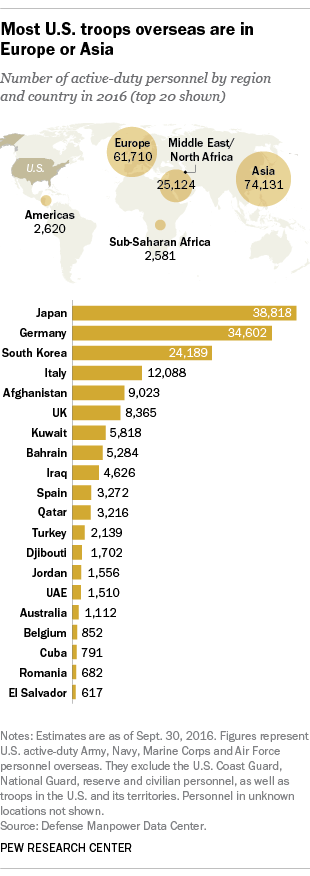
The planned drawdown affects roughly 15% of the 36,000 active-duty U.S. Troops stationed in Germany as of December 2025. Among the personnel being withdrawn is one brigade combat team, a move that underscores the tangible impact of the current geopolitical friction on U.S. Troop levels in Europe as detailed by NBC News.
Diplomatic Friction and the Iran Conflict
The catalyst for the troop withdrawal appears to be a deepening disagreement over the war with Iran. The relationship between President Trump and Chancellor Friedrich Merz has become increasingly strained as the two leaders clash over the conduct and outcomes of the U.S.-led military effort. The Pentagon’s announcement on May 1 coincides with a period of heightened rhetoric, where the U.S. Administration has viewed German criticism as undermining its strategic objectives in the Middle East.
The specific friction point occurred when Chancellor Merz offered a critique of U.S. Diplomatic efforts, implying a lack of strength in negotiations with Iran. President Trump, known for his emphasis on “strength” and “winning” in foreign policy, responded to these comments by threatening a drawdown of forces in Germany. The current move to remove 5,000 personnel is the direct manifestation of that threat as reported by the Associated Press.
Impact on NATO and European Security
The withdrawal of 5,000 troops raises significant questions about the future of the U.S. Presence in Europe and the stability of the NATO alliance. Germany has long served as a primary hub for U.S. Military operations on the continent. A reduction in force, particularly the removal of a brigade combat team, may alter the operational capacity of U.S. Forces to respond to threats in the region.
Military analysts suggest that such a move could be interpreted by other NATO members as a sign of U.S. Volatility or a shift toward a more transactional approach to alliance commitments. While the U.S. Maintains a substantial presence of over 30,000 troops in Germany, the sudden nature of this reduction—linked to a diplomatic spat rather than a strategic military realignment—creates uncertainty regarding the long-term U.S. Security guarantee in Europe according to Defense News.
The Scale of the Withdrawal
To understand the impact of this decision, it is necessary to gaze at the numbers. The Pentagon has specified a timeline of six to 12 months for the troop removal. The 5,000 soldiers represent a significant portion of the U.S. Army’s presence in Germany, which totaled more than 36,000 active-duty personnel as of December 2025 per BBC data.
The removal of a brigade combat team is particularly noteworthy. These units are designed to be self-sufficient, combined-arms forces capable of conducting a wide range of missions. Their departure could leave gaps in the readiness and deterrence capabilities of the U.S. Military in Central Europe.
| Metric | Detail |
|---|---|
| Number of Troops to be Withdrawn | Approximately 5,000 |
| Timeline for Withdrawal | 6 to 12 months |
| Total Personnel (as of Dec 2025) | More than 36,000 |
| Percentage of Force Reduced | Approximately 15% |
| Key Unit Affected | One brigade combat team |
What Happens Next?
The immediate focus now turns to how the German government will respond to the Pentagon’s announcement. Chancellor Merz and the German Ministry of Defense must determine whether to accept the reduction as a consequence of the current diplomatic climate or to seek a resolution that might preserve the troop levels. There is likewise the question of whether this is a preliminary step toward a larger withdrawal, should tensions continue to escalate.
the U.S. Congress may weigh in on the decision, as significant changes to troop levels in NATO countries often trigger legislative oversight or requests for justification regarding the impact on national security. The Pentagon has not yet released a detailed plan on where these 5,000 troops will be redeployed, whether they will return to the United States or be shifted to other global hotspots.
The international community will be watching for any official joint statements from the U.S. And Germany that might signal a thawing of relations, or conversely, a further deterioration of the transatlantic partnership. For now, the 6-to-12-month window provides a period of transition, but the underlying political instability remains.
The next confirmed checkpoint will be the upcoming diplomatic engagements between the U.S. And German administrations, as well as any official troop movement schedules released by the Department of Defense in the coming months.
We invite our readers to share their perspectives on how this troop reduction affects European security in the comments below.
Keep reading