
The trilateral security partnership between Australia, the United Kingdom, and the United States—known as AUKUS—is undergoing a strategic recalibration. Defence officials have confirmed that the procurement plan for Australia’s nuclear-powered submarine fleet has been amended to prioritize the transfer of in-service, or “used,” vessels from the United States Navy stock. This adjustment to the AUKUS defence deal is intended to streamline the delivery process and enhance the overall cost-effectiveness of the multi-decade military modernization project.
Australian Defence Minister Richard Marles addressed the shift during the Shangri-La Dialogue in Singapore, a major international forum for defence policy. The decision marks a departure from earlier expectations, which had anticipated a mix of new and existing vessels. Under the revised framework, the focus remains on the acquisition of the Virginia-class nuclear-powered submarine, a cornerstone of the partnership’s undersea capabilities pillar.
For observers of Indo-Pacific security, this development provides a clearer picture of how Canberra intends to bridge its capability gap. By opting for operational platforms, the Australian government aims to ensure its submariners and maintenance personnel gain experience on a uniform fleet of vessels, reducing the logistical complexities associated with integrating mixed-age hardware.
Strategic Alignment and the AUKUS Pillar System
The AUKUS partnership, formally announced on September 15, 2021, is structured around two primary lines of effort, or “pillars.” Pillar 1, the most high-profile element of the agreement, involves the rotational basing of U.S. And U.K. Nuclear-powered submarines in Australia, followed by the eventual acquisition of at least three Virginia-class submarines by Australia from the United States within a 15-year window. The White House provides official documentation on these long-term security commitments and the phased approach to capability development.
Pillar 2 focuses on the collaborative development of advanced military technologies, including quantum computing, artificial intelligence, hypersonic systems, and undersea warfare capabilities. This technological integration is designed to bolster the collective security posture of the three nations in a rapidly evolving geopolitical landscape. While Pillar 1 captures the most public attention due to the significant fiscal and industrial investment required, Pillar 2 represents an ongoing effort to harmonize RDT&E—research, development, test, and evaluation—efforts across the partner nations.
Operational Efficiency and Cost Management
The decision to shift toward an all-used fleet was described by Minister Marles as a pragmatic response to the scale of the endeavor. Maintaining a fleet of nuclear-powered vessels requires a sophisticated industrial base and a highly trained workforce. By standardizing the model of the submarines Australia receives, the Australian Defence Force aims to create a more efficient training and sustainment pipeline.
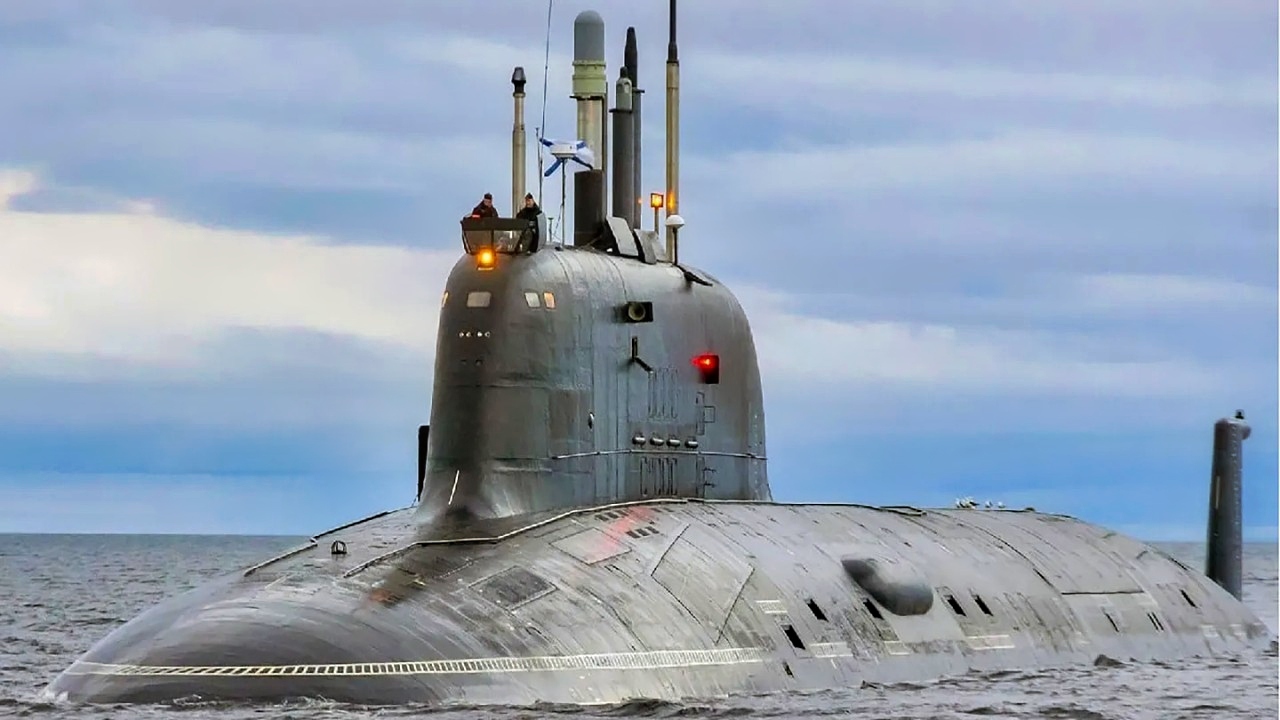
“In the context of a very complicated endeavour, we need to place a premium on simplicity,” Marles stated during a press briefing at the Shangri-La Dialogue. The move is expected to simplify the transition for the personnel who will operate these vessels, as well as the technical teams responsible for maintaining them. The Australian Department of Defence maintains updated resources and policy statements regarding the implementation of the AUKUS agreement and its various workstreams.
The Virginia-class submarine is currently the primary attack submarine in service with the U.S. Navy, recognized for its advanced sensor suites and land-attack capabilities. Transitioning these vessels to the Royal Australian Navy involves not only the physical transfer of hardware but also extensive bilateral training programs and regulatory adjustments to facilitate the sharing of sensitive nuclear propulsion technology.
Looking Ahead: The Path to Integration
The AUKUS partnership continues to move through a series of legislative and operational milestones. In the United States, the transfer of nuclear-powered submarines is subject to congressional oversight and strict adherence to the Atomic Energy Act of 1954, as amended. The U.S. National Nuclear Security Administration provides information on the trilateral cooperation regarding naval nuclear propulsion and the regulatory frameworks governing this transfer.
While the timeline for the delivery of the first submarines remains fixed within the 15-year horizon, the move to streamline the procurement process reflects a broader trend in international defence acquisition: the prioritization of operational readiness over the procurement of new-build assets when existing, proven platforms can satisfy strategic requirements faster and more efficiently. For Australia, this signifies a commitment to achieving a sovereign nuclear-powered submarine capability while managing the significant fiscal pressures inherent in such a complex military acquisition.
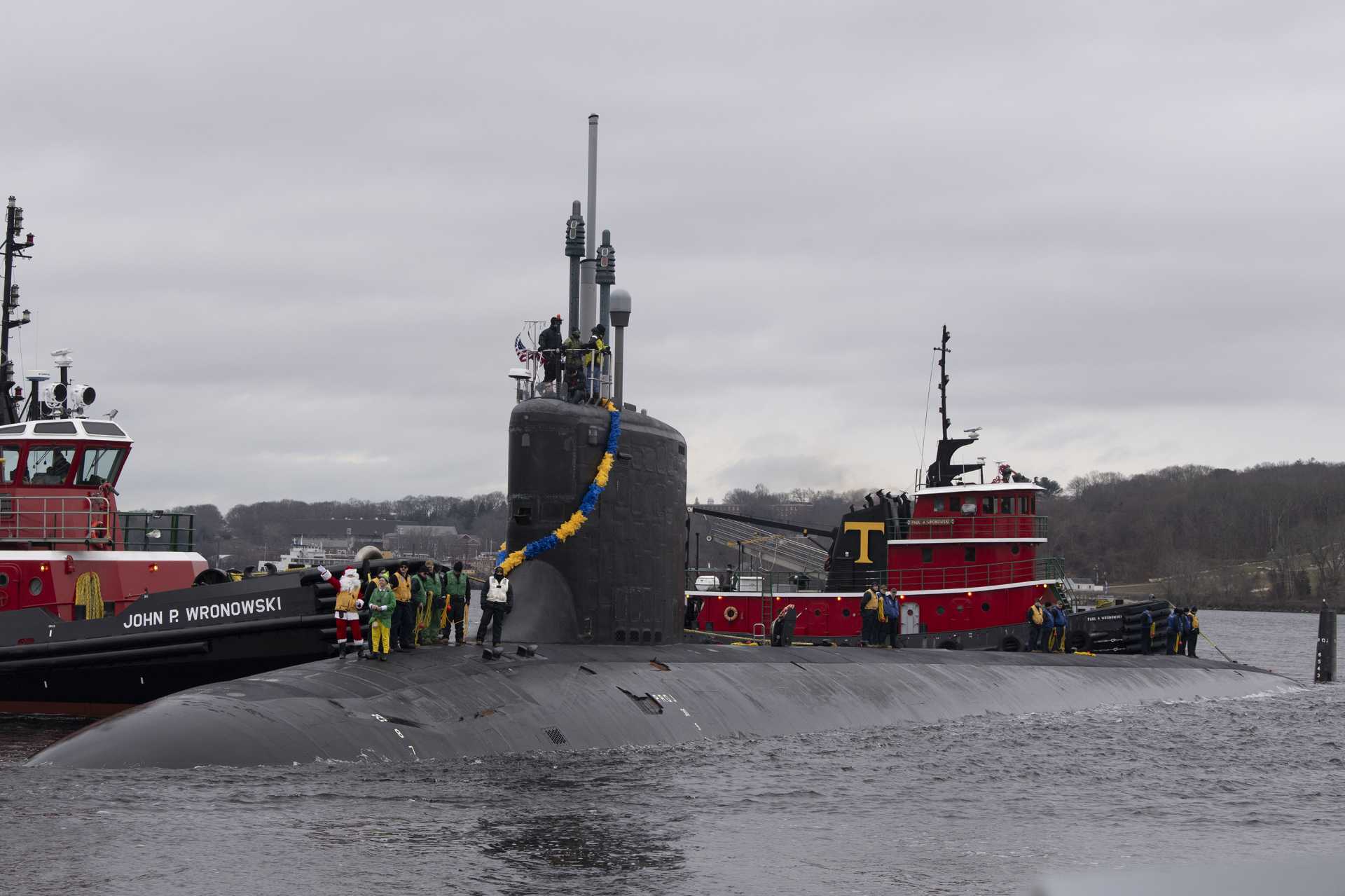
As the partnership progresses, focus will likely shift toward the expansion of shipyard capacity in both the United States and Australia to accommodate the necessary maintenance and support infrastructure. Stakeholders in the defence industry and international policy analysts will continue to monitor the implementation of these plans, particularly as the rotational deployments of U.S. And U.K. Submarines in Australia increase in frequency and duration.
The next major milestones for the AUKUS partnership will be outlined in upcoming trilateral ministerial meetings. For those interested in the official progress of these initiatives, the respective Ministries of Defence in Australia and the United Kingdom, along with the U.S. Department of Defense, provide periodic updates on the status of the submarine program and the development of Pillar 2 technologies. We encourage our readers to share their thoughts on the shifting priorities of the AUKUS alliance in the comments section below.
Worth a look