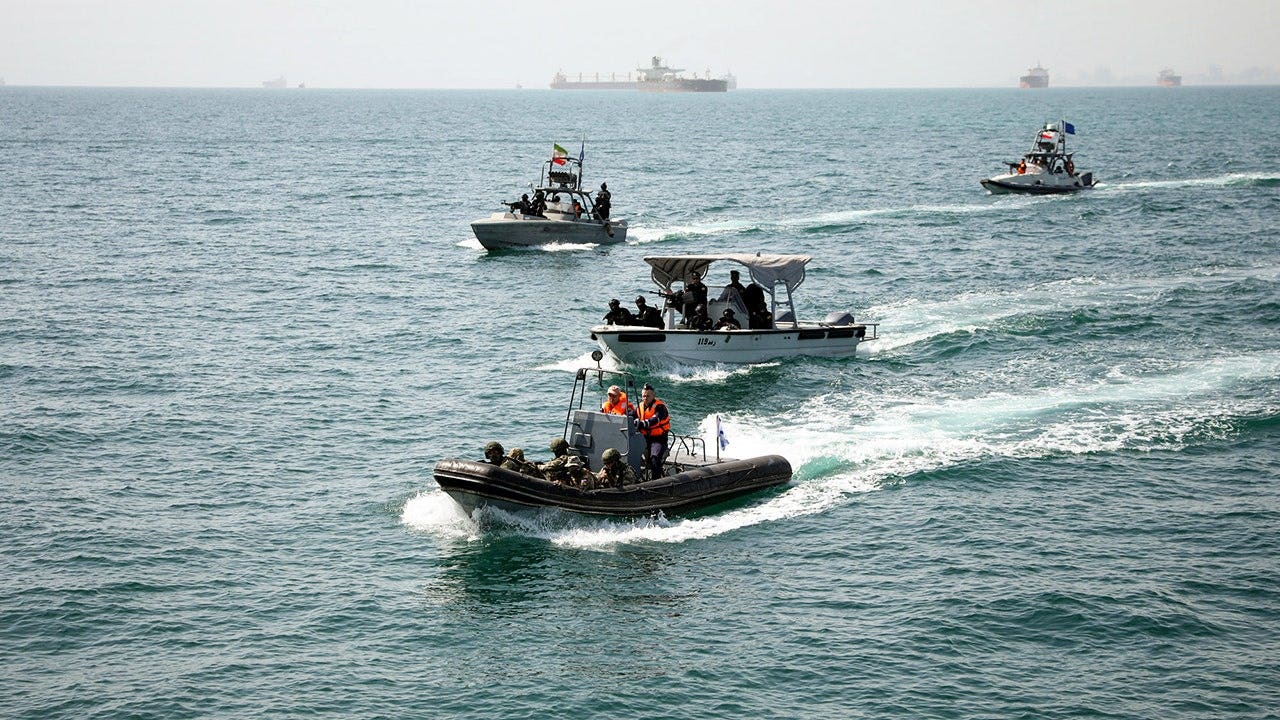
The U.S. Military has been conducting strikes on suspected drug-trafficking vessels in the Caribbean and eastern Pacific since September 2025, according to multiple reports. These operations, described by the Trump administration as part of efforts to disrupt illicit drug flows from Latin America, have involved coordinated surveillance, targeting, and precision airstrikes by Navy, Air Force, Marine Corps, and Coast Guard units. Officials have indicated that the tactics developed in this campaign — including rapid detection, targeting, and engagement of small, fast-moving vessels — are now being considered for potential apply against Iranian fast-attack boats in the Strait of Hormuz.
The comparison arises as U.S. Forces enforce a maritime blockade on Iranian ports, bringing American naval assets into close proximity with Iran’s remaining naval capabilities. While larger Iranian surface vessels have suffered significant losses, analysts note that Iran’s strategy has long emphasized smaller, faster craft capable of operating in confined coastal waters. These boats, often concealed in hardened facilities or dispersed among civilian infrastructure, present a distinct challenge due to their mobility, concealment, and potential armament with anti-ship missiles or shoulder-fired air defense systems.
U.S. Central Command has not publicly confirmed plans to apply counter-narcotics strike protocols in the Gulf, but defense officials have acknowledged monitoring Iranian coastal activity for signs of hostile intent. The Strait of Hormuz, a critical chokepoint for global energy shipments, narrows to approximately 21 miles at its narrowest point, increasing the risk of miscalculation during close encounters between military and commercial vessels.
In the Caribbean and Pacific operations, U.S. Forces have relied on intelligence, surveillance, and reconnaissance (ISR) assets to identify vessels suspected of drug trafficking. Strikes have been conducted using precision-guided munitions from aircraft and naval platforms. According to Department of Defense briefings and independent reporting, these actions have resulted in the destruction of dozens of vessels and the deaths of over 170 individuals suspected of involvement in narcoterrorism-related activities, though independent verification of casualty figures remains limited due to the remote nature of the strikes and restricted access to strike zones.
Analysts caution that applying similar rules of engagement against a state military like Iran’s carries significantly higher risks. Unlike non-state drug trafficking groups, Iran’s naval forces operate under centralized command, may employ coordinated tactics such as swarm attacks, and possess systems designed to counter aerial surveillance. The potential for escalation is heightened by the presence of U.S. And allied warships in the region, as well as the strategic importance of the Strait for global oil and liquefied natural gas transport.
Diplomatic channels between Washington and Tehran remain active, with both sides indicating a willingness to pursue negotiations despite ongoing tensions. Any shift in the current posture — whether through renewed diplomatic progress or a change in military engagement rules — would likely be announced through official Defense Department or State Department channels. As of now, no formal policy change has been declared regarding the use of counter-narcotics tactics in the Gulf.
For updates on U.S. Military operations in the Caribbean and Pacific, refer to the U.S. Southern Command’s public affairs releases. For developments concerning the Strait of Hormuz and U.S.-Iran relations, monitor statements from U.S. Central Command and the Department of State.
What do you think about the potential use of maritime security tactics across different operational theaters? Share your perspective in the comments below, and consider sharing this article with others interested in global security developments.