
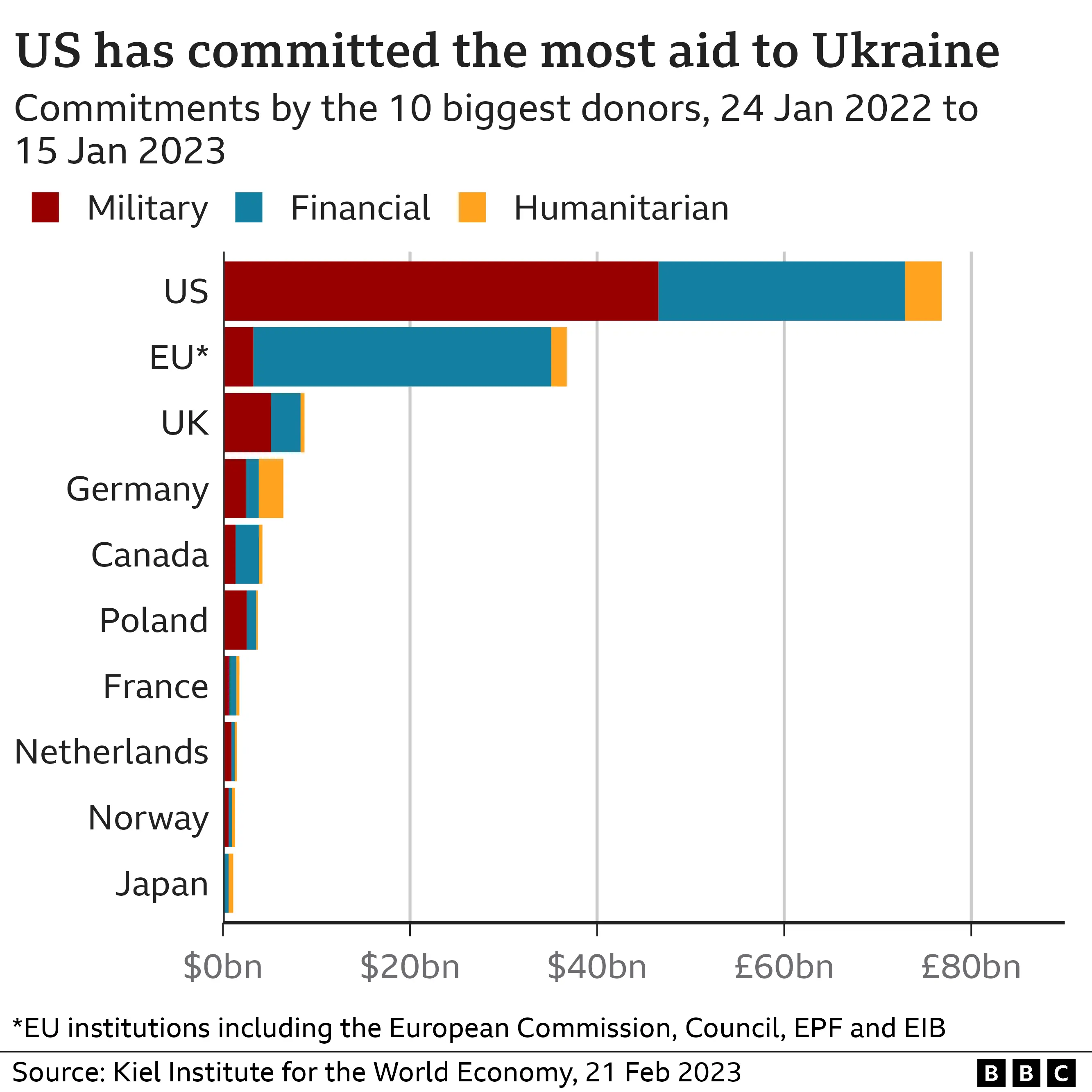
On April 16, 2026, the European Commission confirmed that the United States, Japan, and the United Kingdom have not yet disbursed approximately €7 billion of their pledged contributions to a €45 billion loan facility designed to support Ukraine’s wartime economy. The shortfall represents a significant portion of the financing mechanism agreed upon by G7 nations in 2024, which relies on frozen Russian central bank assets held in Belgium as collateral.
The delay in payments has prompted urgent appeals from European officials, who warn that the stalled funds are hindering Ukraine’s ability to stabilize its finances ahead of larger tranches of EU aid. Valdis Dombrovskis, the European Commissioner for Economy, has been actively engaging with counterparts in Washington, Tokyo, and London to accelerate disbursements under the so-called Extraordinary Revenue Acceleration (ERA) mechanism.
According to verified reports from Euractiv and Ukrainian news agency UNN, the European Union has already fulfilled its full commitment of €18.1 billion under the G7 agreement. However, the remaining shares from the U.S., Japan, and the UK remain outstanding, leaving only about €15 billion of the total €45 billion package actually delivered to Kyiv as of mid-April 2026.
The ERA initiative was established to provide immediate liquidity to Ukraine by leveraging interest generated from immobilized Russian sovereign assets, which are managed through the Euroclear clearing system in Brussels. These assets, frozen following Russia’s full-scale invasion of Ukraine in 2022, serve as the foundation for the loan repayments, meaning that donor countries are not using their own fiscal budgets but rather future returns on the seized reserves.
Dombrovskis raised the issue during his participation in the spring meetings of the International Monetary Fund and the World Bank in Washington, D.C., where he urged finance ministers from the three lagging G7 members to expedite their contributions. Officials familiar with the discussions told Euractiv that the Commissioner emphasized the growing pressure on Ukraine’s budget and the necessitate to maintain confidence in the international support framework.
Ukrainian authorities have repeatedly stressed that timely access to external financing is critical for sustaining public services, paying government salaries, and maintaining macroeconomic stability. While the country has received substantial direct budget support from the EU and other partners, the G7-backed ERA loan remains a cornerstone of the broader financial architecture intended to bridge Ukraine until long-term reconstruction funding becomes available.
The €45 billion figure originated from a December 2024 G7 leaders’ statement, in which the United States, Canada, France, Germany, Italy, Japan, and the United Kingdom pledged to coordinate a financing package backed by Russian asset immobilizations. Subsequent technical agreements allocated specific shares to each participant, with the EU taking the largest portion due to its role in managing the Euroclear-held assets and coordinating disbursements.
As of the latest verified update, no official explanations have been provided by the U.S. Treasury, Japan’s Ministry of Finance, or the UK’s Chancellor of the Exchequer for the delay in transferring their respective portions of the ERA funds. However, sources cited in the Euractiv report suggest that procedural reviews and inter-agency coordination may be contributing factors, though no formal objections to the mechanism itself have been raised.
The European Commission continues to monitor the situation closely and has indicated that it will escalate diplomatic engagement if payments are not forthcoming in the coming weeks. For real-time updates on the status of international financial support to Ukraine, readers are directed to the official websites of the European Commission’s Directorate-General for Economic and Financial Affairs and the Euroclear Group’s public reporting on immobilized asset revenues.
Stay informed about developments in global finance and humanitarian response efforts. Share this article to help spread accurate information, and join the conversation in the comments below.