Washington, D.C. – In a significant development in ongoing diplomatic efforts, both the United States and Iranian delegations are set to arrive in Islamabad on the morning of Wednesday, April 22, 2026, for a second round of talks aimed at de-escalating regional tensions, according to Pakistani officials cited by The Associated Press.
The reported arrival follows an initial face-to-face meeting between U.S. Vice President JD Vance and Iranian Parliament Speaker Mohammad Bagher Ghalibaf in Islamabad on April 11, 2026, which was described by The New York Times as the highest-level direct engagement between the two nations since the 1979 Iranian Revolution. That encounter, facilitated by Pakistani Prime Minister Shehbaz Sharif, took place at the Serena Hotel and included senior officials from both sides, including U.S. Middle East Special Envoy Steve Witkoff and Iranian Foreign Minister Abbas Araghchi.
Pakistani officials, speaking on condition of anonymity to AP, indicated that the renewed dialogue reflects continued efforts to maintain a constructive atmosphere after the first meeting, which was noted for its calm and amicable tone despite longstanding historical tensions between Washington, and Tehran.
The discussions are understood to center on regional security concerns, particularly regarding maritime stability and the prevention of further escalation in ongoing conflicts involving Iranian-aligned groups. However, neither the U.S. State Department nor Iran’s Ministry of Foreign Affairs has publicly confirmed the agenda or timing of the April 22 talks as of this reporting.
Vice President Vance, who has been leading the U.S. Diplomatic outreach since his appointment, arrived in Islamabad accompanied by a team that includes Jared Kushner, senior advisor to former President Donald Trump, and Andy Bauer, his National Security Advisor. The Iranian delegation, led by Speaker Ghalibaf, is expected to include Foreign Minister Araghchi and other senior officials familiar with nuclear and regional security portfolios.
Pakistan’s role as facilitator underscores its ongoing efforts to position itself as a neutral conduit between rival powers, particularly in the wake of increased U.S.-Iranian friction over the past several years. Islamabad has previously hosted backchannel discussions between the two sides, leveraging its diplomatic relationships with both nations.
The April 11 meeting marked the first known in-person engagement between a sitting U.S. Vice President and a senior Iranian legislative figure since diplomatic relations were severed following the 1979 hostage crisis. While no formal agreements were announced after that session, both sides reportedly acknowledged the value of maintaining open channels of communication.
Analysts note that the continuation of talks in Islamabad suggests a mutual interest in avoiding miscalculation, especially amid heightened volatility in the Red Sea and Gulf regions, where Iranian-backed actors have been linked to attacks on commercial shipping. The U.S. Has maintained a robust naval presence in the area, while Iran has warned against any escalation that could threaten its sovereignty or regional interests.
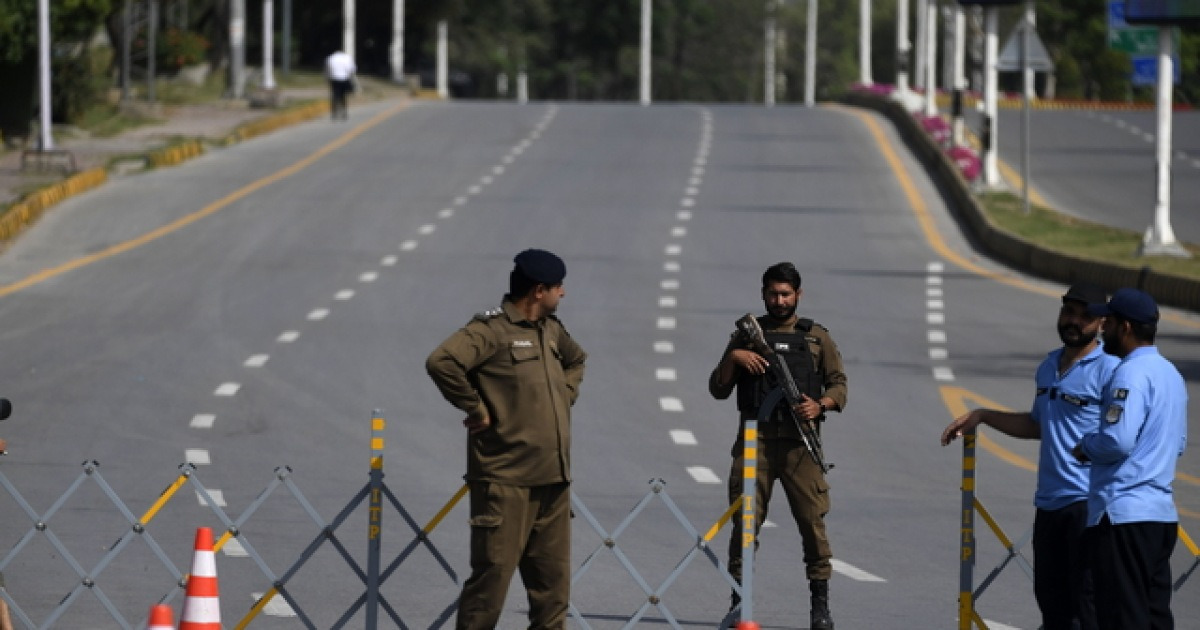
As of Tuesday, April 21, 2026, neither the White House nor Iran’s presidential office has issued a public statement confirming the April 22 meeting. However, multiple Pakistani government sources told AP that logistical preparations were underway at the Serena Hotel and surrounding secure zones to accommodate both delegations.
The U.S. Vice President’s office has not responded to requests for comment regarding the reported travel plans. Similarly, Iran’s Parliament has not released an official schedule for Speaker Ghalibaf’s activities beyond April 21.
Observers caution that while the talks represent a diplomatic opening, they do not signal an imminent breakthrough on core issues such as Iran’s nuclear program, regional influence, or sanctions relief. Instead, the focus appears to be on crisis prevention and establishing norms for direct communication.
For readers seeking updates on this evolving diplomatic process, official statements are expected to emerge from the U.S. State Department’s Bureau of Near Eastern Affairs and Iran’s Ministry of Foreign Affairs following the conclusion of any talks. Pakistan’s Foreign Office may provide readouts if both parties consent to public disclosure.
As diplomatic engagement continues in Islamabad, the international community will be watching closely to determine whether these backchannel efforts can contribute to greater stability in one of the world’s most volatile regions.
Stay informed about developments in U.S.-Iran relations and regional security by following verified updates from international organizations and reputable news outlets. Share this article to support others understand the significance of ongoing dialogue between Washington and Tehran.