
Diplomatic negotiations in Switzerland aimed at stabilizing relations with Iran have entered a period of significant volatility following renewed threats from the United States regarding Hezbollah and maritime security in the Strait of Hormuz. While U.S. Vice President JD Vance suggested a potential for a “new leaf” in diplomatic relations on Sunday, the prospect of a breakthrough remains constrained by military tensions in southern Lebanon and warnings from President Donald Trump over regional maritime corridors.
The talks, which seek to build upon a recent interim agreement, are currently navigating a complex landscape of regional security concerns. Negotiators in Switzerland are attempting to bridge the gap between recent diplomatic progress and a hardening stance from both the United States and Israel regarding Iran-aligned actors in the Middle East.
Diplomatic Optimism Meets Geopolitical Friction
During discussions regarding the future of the interim agreement, U.S. Vice President JD Vance expressed a cautious optimism about the possibility of shifting the current trajectory of U.S.-Iran relations. Vance stated on Sunday that there is a chance to “turn over a new leaf” with Tehran, provided that negotiations in Switzerland can successfully expand the existing framework.
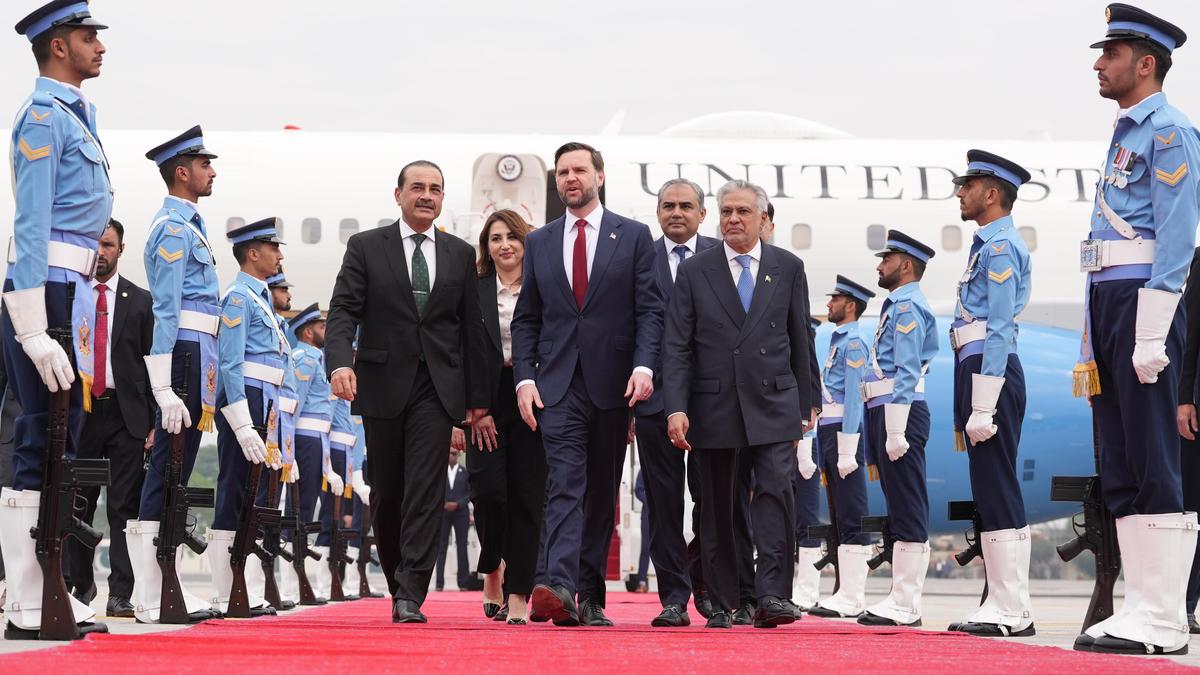
However, this diplomatic window appears narrow. President Donald Trump has issued renewed warnings concerning the influence of Iran-backed Hezbollah and the security of the Strait of Hormuz. These threats have introduced a layer of uncertainty into the Swiss-led process, as the administration signals that any diplomatic progress must be accompanied by a reduction in regional proxy activities.
The current negotiations are designed to take the preliminary terms established in last week’s interim agreement and transform them into a more permanent stability pact. The interim agreement reportedly focused on specific de-escalation measures, but the transition to a broader settlement is being hampered by the immediate security realities on the ground in Lebanon and the Persian Gulf.
The Strategic Significance of the Strait of Hormuz
A central pillar of the recent U.S. warnings involves the Strait of Hormuz, a narrow waterway that serves as a critical choke point for global energy markets. The threat of disruption in this corridor has become a primary variable in the Swiss negotiations.
The Strait of Hormuz is one of the world’s most important oil transit points. According to data from the U.S. Energy Information Administration (EIA), approximately one-fifth of the world’s total liquid petroleum consumption passes through this waterway daily. Any interruption to the flow of tankers could trigger immediate volatility in global oil prices and disrupt international supply chains.
The U.S. administration’s focus on the Strait suggests that maritime security is now a non-negotiable component of any potential agreement with Iran. Negotiators in Switzerland are reportedly grappling with how to incorporate maritime guarantees into a framework that has traditionally focused on nuclear non-proliferation and sanctions relief. The tension lies in whether Iran can provide verifiable assurances that its naval activities and those of its proxies will not threaten the transit of commercial vessels.
Security Zones and the Conflict in Southern Lebanon
The negotiations are further complicated by the ongoing military situation in southern Lebanon. Israel has maintained its presence in a designated security zone, a move that has drawn criticism from regional actors and complicates the diplomatic environment in Switzerland.

The refusal of Israel to withdraw from this security zone directly impacts the viability of talks involving Hezbollah. The group, which is backed by Iran, remains a dominant military and political force in Lebanon. The presence of Hezbollah along the “Blue Line”—the UN-recognized border between Israel and Lebanon—continues to be a flashpoint for direct military engagement.
Historically, the presence of non-state actors in southern Lebanon has been governed by United Nations Security Council Resolution 1701. This resolution, passed following the 2006 Lebanon War, called for a zone between the Blue Line and the Litani River that be free of any armed personnel, assets, and weapons other than those of the Lebanese government and UNIFIL. The current refusal to withdraw from established security areas creates a direct contradiction to the de-escalation goals being discussed by Swiss mediators.
For the Swiss talks to move forward, negotiators may need to address how to reconcile Israel’s security requirements with the broader demand for a reduction in Hezbollah’s military capabilities. Without a consensus on the status of the Lebanese border, the “new leaf” envisioned by Vice President Vance may remain out of reach.
Why These Negotiations Matter for Global Stability
The outcome of the Switzerland talks carries implications that extend far beyond the Middle East. The intersection of U.S. foreign policy, Iranian regional influence, and Israeli security needs creates a high-stakes environment for global markets and international law.
If the talks fail, several consequences are likely to follow:
- Energy Market Volatility: Continued threats to the Strait of Hormuz could lead to increased insurance premiums for tankers and sudden spikes in crude oil prices.
- Increased Proxy Conflict: A breakdown in diplomacy could lead to an escalation of hostilities between Israel and Hezbollah, potentially drawing in larger regional powers.
- Sanctions Escalation: A failure to reach a permanent agreement may prompt the U.S. and its allies to implement even more stringent economic sanctions against Tehran.
Conversely, a successful expansion of the interim agreement would require a level of verification and transparency that has historically been difficult to achieve. The “tough phase” mentioned by diplomats refers to the transition from symbolic gestures to the hard technicalities of military positioning and maritime law.
Comparison of Diplomatic Approaches
| Feature | Interim Agreement (Current) | Proposed Permanent Settlement |
|---|---|---|
| Primary Focus | Temporary de-escalation and specific freezes. | Long-term regional security and nuclear monitoring. |
| U.S. Stance | Cautiously optimistic (Vance). | Conditional on Hezbollah/Hormuz security (Trump). |
| Key Obstacle | Immediate military tensions in Lebanon. | Verification of maritime and proxy neutrality. |
Looking Ahead: The Next Diplomatic Checkpoints
The Swiss mediators have not yet released a definitive timeline for the next round of high-level meetings. However, observers are closely watching for any official statements from the Swiss Federal Department of Foreign Affairs regarding the progress of the mediation. The next major indicator of success or failure will likely be the response from the Lebanese government to the current security arrangements in the south and any subsequent maritime patrols conducted in the Persian Gulf.
As the negotiators move into this difficult phase, the international community remains focused on whether the diplomatic path can outpace the escalating military rhetoric.
What do you think about the impact of these talks on global energy prices? Share your thoughts in the comments below and share this article to keep the conversation going.
Worth a look