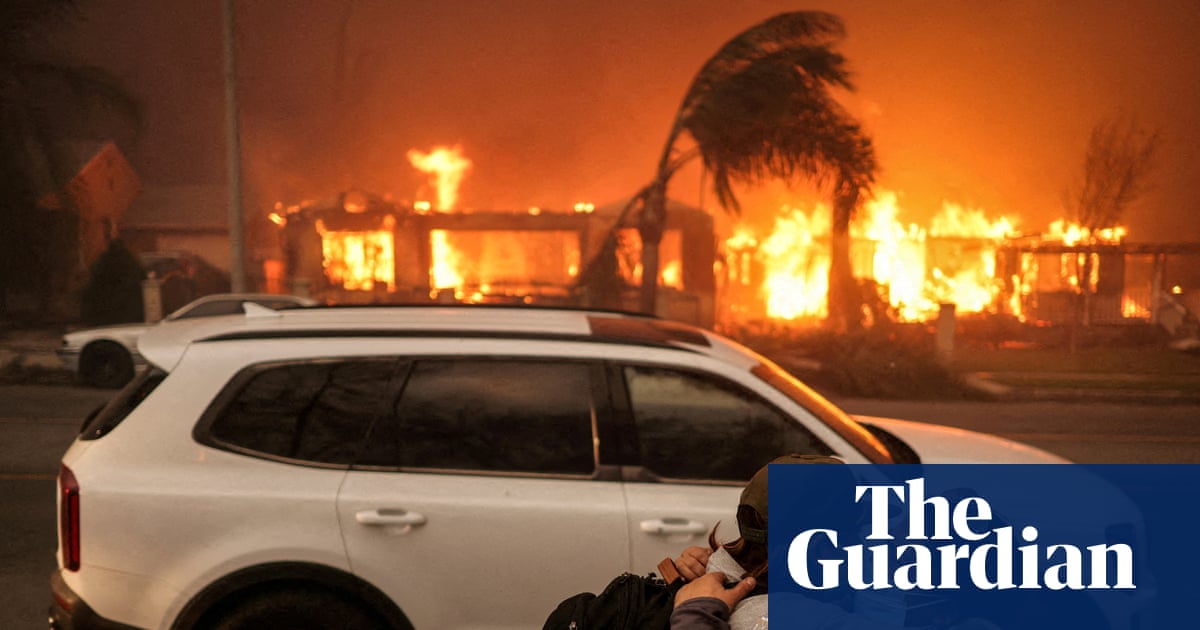
The Long Shadow of Maui: Wildfire Impacts Extend Far Beyond the Flames
The devastating wildfires that swept through Maui in August 2023 left an indelible mark, and the repercussions are proving far more complex and enduring than initial reports suggested. Recent research reveals a cascade of consequences, impacting not only physical health but also mental wellbeing and economic stability for residents. It’s crucial to understand the full scope of these effects to support effective recovery efforts and prepare for future disasters.
The Hidden Dangers in the Smoke
Many assume wildfire damage is limited to scorched land and destroyed structures. Though, the reality is far more insidious. Wildfire smoke contains a toxic cocktail of pollutants, extending well beyond simple combustion byproducts.
Consider this: the fires consumed not just trees and vegetation, but also buildings, gasoline stations, and even homes containing asbestos and automobiles. these materials release a range of harmful components into the air, creating a uniquely dangerous smoke composition. Studies following the Maui fire indicate this toxicity is demonstrably affecting long-term lung function in exposed individuals. While more research is needed to definitively establish cause-and-effect, the initial findings are deeply concerning.
A Surge in Mental Health Crisis
The trauma of the fires triggered a significant mental health crisis on Maui. researchers documented a staggering 97% increase in both suicide and overdose deaths during the month the wildfires raged.A total of 13 deaths occured, with the majority being suicides – a truly alarming spike.
Moreover,across all five Hawaiian counties,ther was a 46% increase in these deaths,potentially influenced by displaced Maui residents seeking refuge on other islands. Thankfully, rates began to decline in subsequent months, but the initial surge underscores the profound psychological impact of the disaster.
Understanding the Connection: Wildfires represent a catastrophic loss of home, community, and a sense of security.
Recognizing the Signs: Increased anxiety, depression, and substance use are common responses to trauma.
Seeking Support: If you or someone you know is struggling, resources are available (see section below).
Economic Hardship Persists
Even as time passes, the economic fallout from the Maui fires continues to grip the region. A recent report from the University of hawaiʻi Economic Research association (UHERO), based on a year of data from nearly 1,000 residents, paints a sobering picture. While some have found stable housing and employment, many remain displaced and face ongoing financial hardship.
Here’s a breakdown of the key findings:
Poverty Rates Doubled: The region has seen a near doubling of poverty rates since the fires.
Income Loss: Nearly 60% of households report a decrease in income.
Housing Crisis: Rent burdens remain exceptionally high, even as permanent housing options slowly increase.
Employment Gaps: Full-time employment hasn’t fully recovered to pre-fire levels.
This creates a stark duality,as Daniela Bond-Smith,a UHERO research economist,explains. Some households are rebuilding their lives, while others are still grappling with deep uncertainty, notably those who were already vulnerable before the disaster.
What You Can Do: Resources and Support
The road to recovery is long, but it’s not insurmountable. If you’ve been affected by the Maui wildfires, or know someone who has, here are some resources:
Hawaii Department of Health: https://health.hawaii.gov/maui-wildfires/
Maui Strong: https://www.hawaiicommunityfoundation.org/maui-strong
National crisis and Suicide Lifeline: Call or text 988 anytime in the US and Canada. In the UK, you can call 111.
* SAMHSA’s Disaster Distress Helpline: 1-800-985-5990
The Maui wildfires serve as a stark reminder of the multifaceted and long-lasting consequences of natural disasters. Addressing these challenges requires