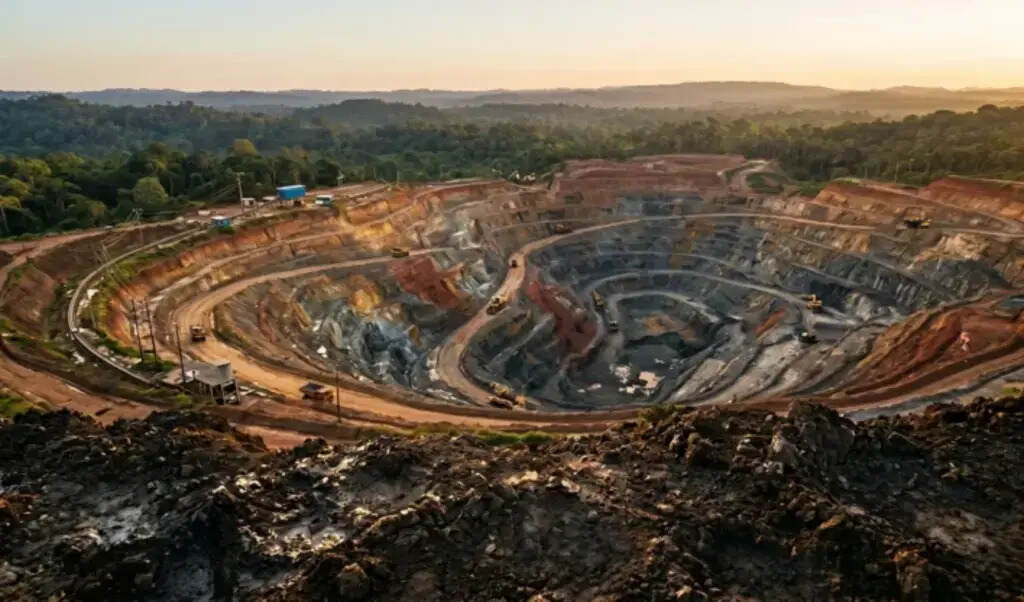
Brazil’s Serra Verde rare earths project has become a focal point in global critical minerals strategy following a major acquisition by USA Rare Earth. The deal, valued at $2.8 billion, marks one of the largest foreign investments in Brazil’s mining sector in recent years and underscores growing international competition for secure supplies of elements essential to clean energy technologies and defense systems.
The transaction positions USA Rare Earth to gain control of what is considered one of the Western Hemisphere’s most significant ionic clay rare earth deposits. Located in Brazil’s Goiás state, Serra Verde has drawn attention for its potential to produce separated rare earth oxides without the radioactive byproducts commonly associated with other deposit types, a factor that could streamline environmental permitting and processing.
According to verified reports, the acquisition reflects broader efforts by the United States to diversify rare earth supply chains away from dominant processing hubs in China. The move aligns with recent U.S. Government initiatives aimed at securing critical minerals through domestic production, allied nation partnerships, and strategic investments in overseas projects deemed vital to national and economic security.
Simultaneously, Brazil stands to benefit from increased foreign direct investment in its mineral sector, potentially boosting regional development and technological capacity. Yet, the deal also raises questions about resource sovereignty and the long-term implications of transferring control of strategic assets to foreign entities, particularly amid rising geopolitical tensions over access to critical materials.
The Serra Verde project has been under development for several years, with earlier stages involving feasibility studies, environmental assessments, and pilot plant operations. Its advancement now hinges on integrating new ownership structures whereas maintaining momentum toward commercial production, a timeline that remains subject to regulatory approvals, financing conditions, and global market dynamics.
Strategic Implications for Global Supply Chains
Rare earth elements, though not exceptionally rare in the Earth’s crust, are challenging to extract and process economically due to their dispersed occurrence and complex separation requirements. The 17 elements in this group are indispensable for manufacturing permanent magnets used in electric vehicle motors, wind turbine generators, precision-guided munitions, and numerous consumer electronics.
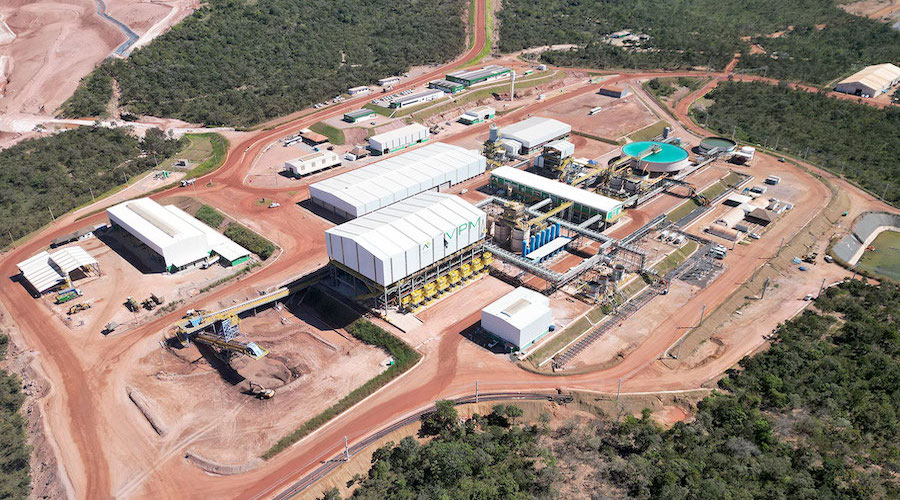
Currently, China accounts for over 80% of global rare earth processing capacity, creating vulnerabilities in supply chains that industries and governments have sought to address through reshoring, friend-shoring, and stockpiling efforts. Projects like Serra Verde represent part of a broader strategy to establish alternative production nodes outside China’s dominance.

The Financial Times reported that the U.S. Government has supported efforts to secure rare earth supplies through financing mechanisms, including a $565 million loan facility linked to Brazilian mining interests. While not directly tied to the Serra Verde acquisition, such initiatives illustrate the intersection of commercial activity and state-backed efforts to reinforce supply chain resilience.
Experts note that developing new rare earth supply chains requires more than just mining; it demands investment in processing infrastructure, technical expertise, and environmental safeguards. Ionic clay deposits like Serra Verde offer advantages as they often allow for simpler extraction methods using ammonium sulfate leaching, potentially reducing both capital intensity and environmental footprint compared to hard rock mining.
Nevertheless, challenges remain. Achieving commercial-scale separation of individual rare earth elements to meet stringent purity standards for high-performance applications continues to pose technical hurdles. Market fluctuations in rare earth prices can affect project economics, underscoring the importance of long-term offtake agreements and policy support mechanisms.
Brazil’s Evolving Role in Critical Minerals
Brazil possesses substantial mineral wealth, including significant reserves of niobium, iron ore, bauxite, gold, and increasingly recognized deposits of lithium, nickel, and rare earths. The country’s mining sector contributes meaningfully to its export economy, though it has historically focused on bulk commodities rather than high-value critical minerals.
The Serra Verde development signals a potential shift toward greater participation in value-added critical mineral supply chains. If successfully brought into production, the project could position Brazil as a reliable supplier of separated rare earth oxides to markets in North America, Europe, and Asia, particularly for end-users seeking to verify ethical and environmental standards in their supply chains.
However, realizing this potential depends on stable regulatory frameworks, transparent governance, and sustained investment in technical capabilities. Brazil’s environmental licensing processes, while robust, can be lengthy, and any large-scale mining project must navigate complex social and ecological considerations, especially in regions with diverse land uses and indigenous presence.
Past experiences with large infrastructure and resource projects in Brazil have highlighted the importance of community engagement and benefit-sharing agreements. For Serra Verde to proceed smoothly, stakeholders will need to address concerns related to water usage, waste management, and socioeconomic impacts on local populations, ensuring that benefits are equitably distributed.
The involvement of a U.S.-based company also introduces considerations around technology transfer, intellectual property, and operational control. While foreign investment can bring needed capital and expertise, host countries often seek to balance openness with measures to retain strategic oversight and develop domestic capacity in high-tech industries.
Verification and Next Steps
As of the date of this report, neither USA Rare Earth nor Brazilian federal authorities have issued a comprehensive public statement detailing the final terms of the Serra Verde acquisition or outlining a precise timeline for construction and commissioning. The $2.8 billion figure cited in financial reporting remains the primary reference point for the transaction’s scale.
Market analysts suggest that the next phases will likely involve detailed integration planning, securing additional financing if required, advancing permitting processes, and potentially engaging with potential offtake partners. Official updates may emerge through corporate filings with the U.S. Securities and Exchange Commission, disclosures by USA Rare Earth’s parent entities, or announcements from Brazilian regulatory bodies such as the National Mining Agency (ANM).
Investors and policymakers monitoring critical minerals developments are advised to consult primary sources including SEC EDGAR filings, ANM’s public portal for mining titles and environmental licenses, and reputable financial news outlets for verified information. Direct statements from company leadership during earnings calls or investor presentations may also provide insight into strategic priorities and execution timelines.
While the acquisition represents a significant step forward, the transformation of mineral resources into reliably supplied materials involves multiple stages beyond ownership change. Success will depend on sustained commitment, technical execution, and alignment between commercial objectives and broader goals of supply chain security and sustainable development.
For readers seeking to follow this evolving story, key verification points include monitoring for updates on environmental licensing status, progress reports on pilot plant scaling, and any announcements regarding long-term supply agreements with manufacturers in the electric vehicle, renewable energy, or defense sectors.
What are your thoughts on how strategic mineral projects like Serra Verde should balance national interests with global supply chain needs? Share your perspective in the comments below, and help spread informed discussion by sharing this article with others interested in the intersection of geopolitics, technology, and sustainable resource development.
Keep reading