
The road to the 2026 FIFA World Cup is about more than just training camps and tactical shifts; It’s about the massive logistical undertaking of bringing the world to North America. For fans from several competing nations, that journey just became significantly more accessible following a critical policy shift from the U.S. Government regarding entry requirements.
In a move designed to facilitate the arrival of international supporters, the Trump administration has announced a US World Cup visa bond waiver for ticketholders from specific countries. This decision addresses a point of significant tension for traveling fans who had been facing steep financial hurdles to secure temporary visas under current immigration policies aimed at reducing visa overstays.
The waiver is a targeted measure, applying specifically to citizens of competing countries who have already committed to the tournament by purchasing tickets and utilizing the official fast-track processing system. By removing these financial barriers, the U.S. Aims to ensure that the atmosphere in the stadiums reflects the global nature of the sport, while maintaining the strict security protocols that define the current administration’s approach to border control.
Understanding the Visa Bond Policy and the Waiver
For several months, citizens of 50 different countries were required to post visa bonds of up to $15,000 to obtain a temporary visa to enter the United States. This policy was implemented as a deterrent against visa overstays, requiring a financial guarantee that the visitor would depart the country upon the expiration of their authorized stay.
However, the U.S. State Department confirmed on Wednesday that this bond requirement will be waived for ticketholders from five specific qualifying countries: Algeria, Cape Verde, Ivory Coast, Senegal and Tunisia. These nations, all of which have qualified for the tournament, were previously subject to the bond policy, creating a substantial financial barrier for their supporters.
To qualify for this exemption, fans must have purchased FIFA World Cup tickets and opted into the FIFA Priority Appointment Scheduling System (PASS) by the April 15 deadline. The PASS system was designed to streamline the visa process, allowing the U.S. Government to vet applicants more efficiently before the tournament begins.
Balancing National Security with Global Tourism
The decision to waive the bonds comes amid a broader effort to host what the administration describes as the “biggest, best, and safest sporting event in World Cup history.” Despite the waiver, the U.S. Government has emphasized that the easing of financial requirements does not mean a relaxation of security. All visitors will still undergo regular visa screening and vetting, which officials note has become more stringent during President Trump’s second term.
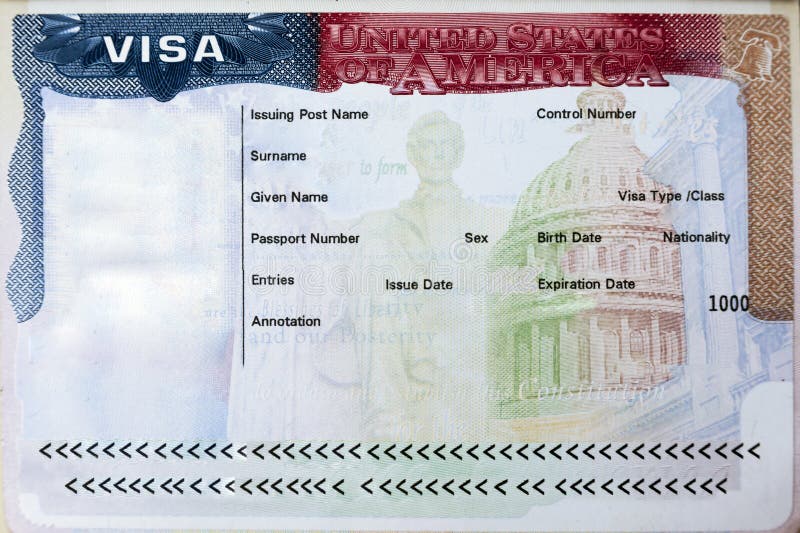
Mora Namdar, the Assistant Secretary of State for Consular Affairs, told the Associated Press that the administration remains committed to strengthening U.S. National security priorities while simultaneously facilitating legitimate travel for the upcoming tournament. This balancing act is critical, as the U.S. Expects to welcome up to 10 million visitors for the event, according to State Department guidance.
For many fans, the waiver removes a psychological and financial burden. The high cost of the bonds had caused anxiety among supporters in the affected regions, who feared that strict immigration policies might prevent them from supporting their national teams on the world stage.
The Scale of the 2026 Tournament
The 2026 FIFA World Cup represents an unprecedented scale for the sport. The tournament, which is scheduled to take place from June 11 to July 19, will be co-hosted by the United States, Mexico, and Canada. In the U.S. Alone, matches will be spread across 11 different cities, requiring a massive coordination of transport, security, and immigration services.
The sheer volume of expected travelers—estimated at 10 million—places immense pressure on the U.S. Consular network. The implementation of the PASS system and the targeted bond waivers are part of a larger strategy to prevent bottlenecks at embassies and consulates, ensuring that the influx of fans does not overwhelm the visa processing infrastructure.
- Eligible Countries: The bond waiver applies to ticketholders from Algeria, Cape Verde, Ivory Coast, Senegal, and Tunisia.
- Requirement: Fans must have purchased tickets and registered for the FIFA Priority Appointment Scheduling System (PASS) by April 15.
- Bond Amount: The waived bonds were previously valued at up to $15,000.
- Security: Standard visa screening and vetting remain mandatory and stringent for all applicants.
- Tournament Dates: The event runs from June 11 to July 19, 2026.
What So for the Global Game
From a sporting perspective, the accessibility of the tournament is paramount. The World Cup is as much a cultural festival as it is a competition. When fans from competing nations are unable to attend due to administrative or financial hurdles, the energy of the tournament suffers. By easing these restrictions for the five affected African nations, the U.S. Is ensuring a more diverse and vibrant presence in the stands.

This move also serves as a signal to the rest of the world that the U.S. Is prepared for the logistical challenges of the 2026 event. While the administration maintains a hard line on overall immigration and overstay prevention, the flexibility shown for World Cup ticketholders suggests a pragmatic approach to the economic and diplomatic benefits of hosting the world’s most popular sport.
For those still navigating the visa process, the State Department continues to urge applicants to apply as early as possible. The complexity of the vetting process means that last-minute applications may not be processed in time for the June 11 kickoff.
The next major milestone for fans will be the finalization of visa appointments through the PASS system and the issuance of travel documents as the tournament draws closer. Official updates regarding entry requirements will continue to be posted on the U.S. Department of State website.
Do you think these visa waivers are enough to encourage global attendance, or should the U.S. Further relax its entry rules for the World Cup? Share your thoughts in the comments below.
Keep reading