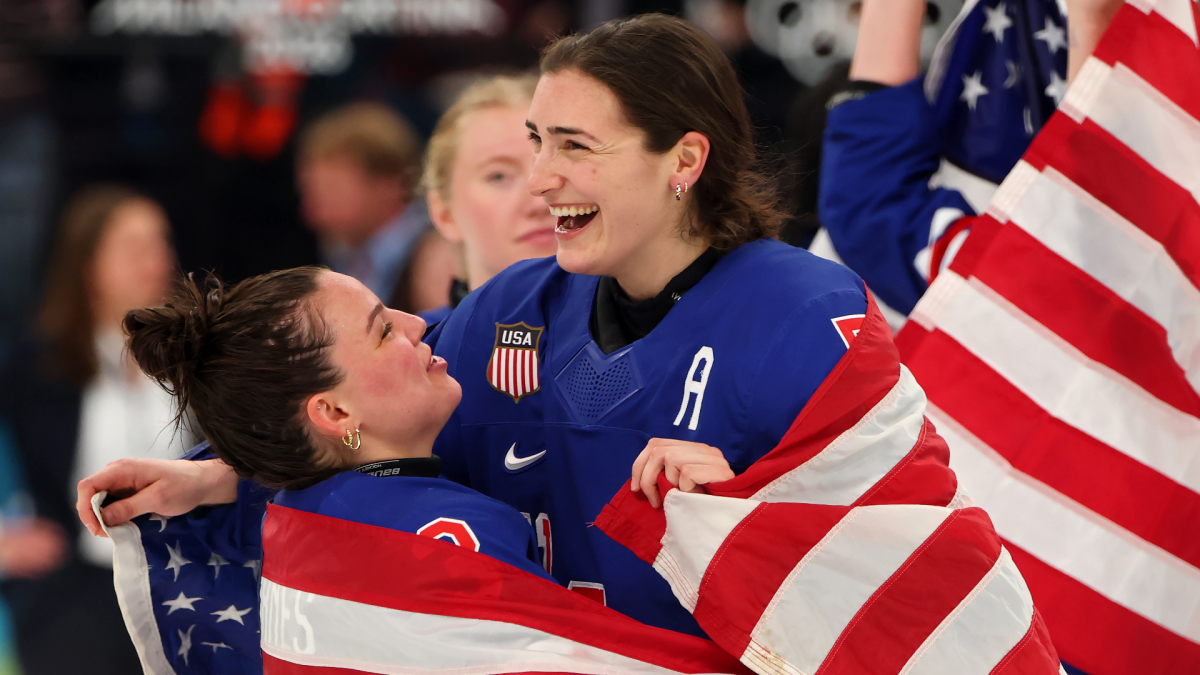
Members of the United States women’s national ice hockey team declined a formal invitation to visit the White House following their gold medal victory at the 2018 Winter Olympics in Pyeongchang. While teams winning Olympic gold typically receive invitations to be honored at the White House, the roster members did not attend the event, citing scheduling conflicts and prior commitments as the primary reasons for their absence.
The decision by the athletes drew significant public attention, as it followed a period of intense labor negotiations between the players and USA Hockey. In 2017, the team had threatened to boycott the World Championship over issues regarding pay equity and support for the women’s program, ultimately reaching a landmark four-year agreement with the national governing body. According to reports from Reuters, the team’s absence from the White House ceremony was formally attributed to the players’ individual post-Olympic schedules rather than a collective political protest.
The Context of the Olympic Victory
The U.S. women’s hockey team secured the gold medal in South Korea on February 22, 2018, defeating Canada in a dramatic shootout. The victory marked the first time the U.S. women had captured Olympic gold since the inaugural tournament in 1998. The team’s performance was widely lauded as a turning point for the sport, bringing increased visibility to women’s athletics and the professional development of the game in North America.

Following the conclusion of the Games, the White House extended invitations to various members of the U.S. Olympic delegation. However, unlike traditional team sport visits where an entire roster and coaching staff typically attend together, the hockey players were dispersed across different locations, many returning to their respective university programs or professional training environments. As noted by the New York Times, the logistical challenges of coordinating a full team visit in the weeks immediately following the closing ceremony proved insurmountable for the players’ individual timelines.
Labor History and Public Perception
The decision not to visit the White House occurred against a backdrop of heightened activism within the team. Just one year prior to the Pyeongchang Games, the players engaged in a high-profile dispute with USA Hockey. The athletes demanded fair compensation, consistent support staff, and better travel arrangements compared to their male counterparts. The dispute was resolved only days before the 2017 World Championship, with the team securing a historic deal that included increased pay and support for the girls’ development program.
Because of this history of advocacy, some observers speculated that the lack of a White House visit was a form of political protest against the administration of then-President Donald Trump. However, players and representatives consistently maintained that the absence was a matter of timing. According to statements provided to the Washington Post, team members were already committed to various media appearances, promotional tours, and academic obligations that made a unified visit to Washington, D.C., impossible to schedule.
The Legacy of the 2018 Team
The 2018 Olympic team remains a pivotal group in the history of the sport. Their success in Pyeongchang served as a catalyst for the establishment of more robust professional pathways for women hockey players. The team’s focus during the post-Olympic period shifted toward ensuring that the momentum from the gold medal win translated into long-term systemic change for the sport.

The events of 2018 highlighted the evolving relationship between professional athletes and ceremonial visits to the seat of government. In recent years, such visits have increasingly become a point of public discussion, with athletes exercising their autonomy regarding attendance. For the 2018 hockey team, the focus remained on the impact of their on-ice performance and the advancement of their labor objectives. As of the most recent records regarding team activities, there have been no further ceremonies scheduled for that specific Olympic roster, and the players have since moved forward with their professional and personal careers.
For more updates on the ongoing development of women’s ice hockey and the status of national team initiatives, readers are encouraged to consult official statements from USA Hockey. We invite our readers to share their thoughts on the evolving role of athletes in public life in the comments section below.