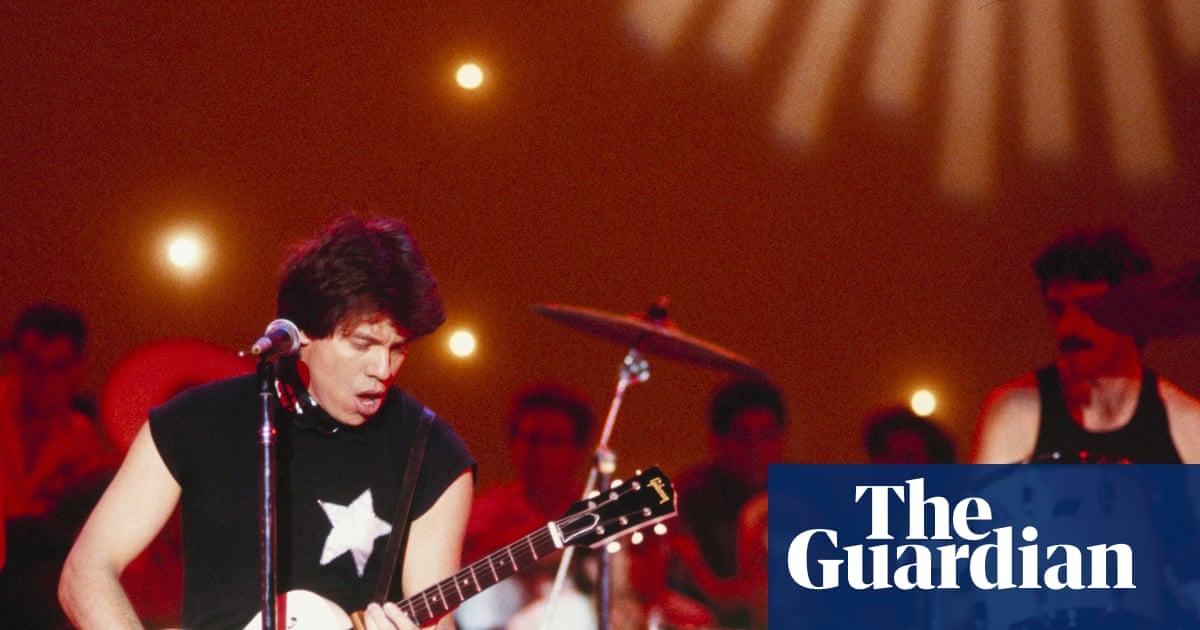
In the world of rock and roll, few riffs are as instantly recognizable as the gritty, swaggering opening of “Bad to the Bone.” For decades, the track has served as the ultimate sonic shorthand for toughness, rebellion, and unapologetic confidence. However, the story behind the song’s creation is less about innate aggression and more about a calculated effort to evolve from a cover artist into a songwriter with a distinct identity.
The enduring nature of the track is perhaps best illustrated by its appeal to Hollywood’s most iconic tough guys. In a revealing look back at the song’s legacy, George Thorogood recounted a surreal interaction with Arnold Schwarzenegger. According to Thorogood, the actor contacted him and, utilizing his unmistakable Terminator voice, demanded the track with a blunt directive: “Your song. Give it to me. Now.”
This demand from one of cinema’s most imposing figures underscores the song’s role as a “male fantasy.” As Thorogood noted, the track taps into a universal desire among men to be perceived as “bad,” drawing inspiration from the cinematic tough guys of the past and the ferocious reputations of early blues legends.
From Archive Blues to Original Anthems
Before “Bad to the Bone” became a global staple, George Thorogood and the Destroyers operated primarily as keepers of the blues flame. The band spent their early years performing obscure blues songs sourced from the archives, building a reputation in high-energy environments. Their shows were often characterized by volatility, featuring “a lot of fighting and drinking,” as the band frequently played for bikers and the Hell’s Angels. This rough-and-tumble atmosphere translated into commercial success at the venue level, where Thorogood recalls they would “break records for beer sales everywhere we played.”
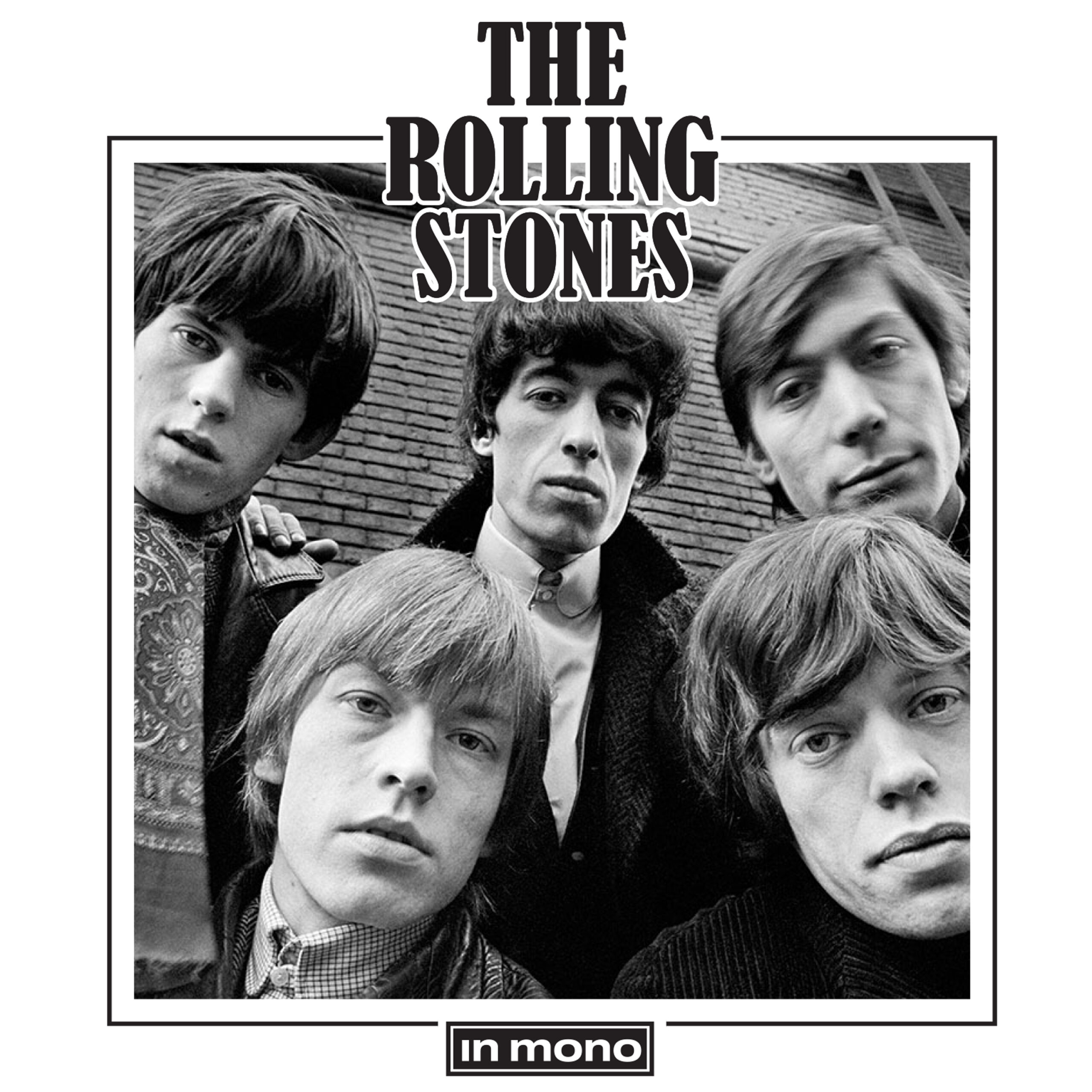
The pivot toward original material was sparked by a realization during a tour with the Rolling Stones. While observing the crowd’s electric reaction to “Start Me Up,” Thorogood recognized the power of a catchy, original introduction. He feared that without a signature song of his own, he would eventually be remembered merely as a talented interpreter of other artists’ work, specifically wondering if future generations would simply ask if he “wasn’t he good at playing Chuck Berry or something?”
The Anatomy of a ‘Bad’ Song
The actual construction of “Bad to the Bone” was influenced by an unlikely source: the legendary Johnny Cash. Following songwriting advice from Cash, Thorogood began by writing a list of rhyming words and then building the song around them. He started with the word “bone” and paired it with “bad.”

The use of the word “bad” was a deliberate linguistic choice rooted in Thorogood’s own upbringing. In his neighborhood, “bad” did not signify something negative or immoral; instead, it was a synonym for “cool.” To Thorogood, Steve McQueen represented “cool,” but figures like James Bond were “bad.” This nuance allowed the song to function as an anthem of status and style rather than a confession of villainy.
The song’s “tough guy” persona was further informed by Thorogood’s exposure to legendary performers. He cited the influence of Howlin’ Wolf, for whom his band opened in 1974, noting the singer’s “ferocious reputation.” He also drew parallels to Hollywood archetypes, such as the character Bernardo from West Side Story, to capture the specific essence of the “bad” persona.
Rejection and the Path to Success
Despite the song’s eventual success, it was not initially embraced by the blues establishment. In an attempt to give the song authenticity, Thorogood first shopped the track to Muddy Waters. However, the effort was met with a sharp rejection. Waters’ manager expressed irritation, stating that Muddy Waters would never record a blues song written by a white man.
Thorogood dismissed this reasoning as “a bunch of horse manure,” arguing that if the song had been written by established white blues-rock figures like Keith Richards or Eric Clapton, it would have been recorded immediately. He attributed the rejection to his own status at the time as “a nobody from Delaware.”
Rather than deterring him, this rejection solidified the track as a standalone piece of Thorogood’s own identity. By leaning into the “male fantasy” and the catchy, driving intro he had envisioned after seeing the Rolling Stones, Thorogood created a piece of music that transcended the boundaries of traditional blues to become a permanent fixture in pop culture.
For those interested in the evolution of the blues-rock genre or the discography of George Thorogood, the trajectory of “Bad to the Bone” serves as a case study in the importance of original branding within a tradition-heavy musical landscape.
As the song continues to be licensed for films, commercials, and high-profile demands from Hollywood stars, its legacy remains tied to that original goal: creating a catchy, definitive statement of confidence that ensures the artist is remembered for more than just the archives.
We invite our readers to share their favorite memories of this classic track or other songs that define “toughness” in the comments below.
Keep reading